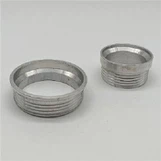
Do titanium dropouts make a bike louder or quieter?
As a supplier of Titanium Dropouts, I've encountered numerous inquiries from cycling enthusiasts and bike manufacturers about the impact of titanium dropouts on a bike's noise level. This question isn't just a trivial matter; it delves into the intersection of material science, engineering, and the overall cycling experience. In this blog post, we'll explore the factors that determine whether titanium dropouts make a bike louder or quieter.
Understanding Dropouts and Their Role
Before we dive into the noise aspect, let's briefly understand what dropouts are and their function on a bike. Dropouts are the slots at the end of a bike's frame where the axle of the wheel is inserted. They play a crucial role in holding the wheel securely in place and transferring the forces between the wheel and the frame. Dropouts come in various materials, including steel, Aluminum Dropouts, and titanium.
Material Properties and Vibration Damping
One of the key factors influencing the noise level of a bike is the material's ability to dampen vibrations. When a bike is in motion, it encounters various vibrations from the road surface, pedaling, and other sources. These vibrations can be transmitted through the frame and produce noise.
Titanium is known for its excellent strength-to-weight ratio and corrosion resistance. But how does it compare to other materials in terms of vibration damping? Titanium has a unique crystal structure that allows it to absorb and dissipate vibrations more effectively than some other metals, such as aluminum. Aluminum is a relatively stiff material that can transmit vibrations more readily, potentially leading to a louder ride. In contrast, titanium's ability to dampen vibrations can result in a quieter cycling experience.
However, it's important to note that the vibration damping properties of titanium can vary depending on the specific alloy and manufacturing process. High-quality titanium alloys with proper heat treatment can offer superior damping characteristics compared to lower-grade alloys.
Impact on Chain and Drivetrain Noise
Another aspect to consider is the impact of titanium dropouts on chain and drivetrain noise. The dropouts are in close proximity to the chain and gears, and any vibrations or movements in this area can contribute to noise.
Titanium's ability to dampen vibrations can help reduce the transmission of noise from the chain and drivetrain to the frame. A quieter drivetrain not only enhances the overall cycling experience but also indicates smoother operation and potentially less wear and tear on the components.
In addition, titanium dropouts can provide a more stable platform for the rear wheel, which can help keep the chain in proper alignment. A well-aligned chain is less likely to produce excessive noise or skip gears, further contributing to a quieter ride.
Comparison with Other Materials
To better understand the noise characteristics of titanium dropouts, let's compare them with Aluminum Dropouts. Aluminum is a popular choice for dropouts due to its lightweight and relatively low cost. However, as mentioned earlier, aluminum is a stiffer material that can transmit vibrations more easily.
In a side-by-side comparison, a bike with titanium dropouts may produce less noise than a bike with aluminum dropouts, especially on rough or uneven surfaces. The difference in noise level may not be significant in all cases, but it can be noticeable to sensitive riders or in situations where noise reduction is a priority.
Steel dropouts are another option, known for their durability and strength. While steel can also dampen vibrations to some extent, it is generally heavier than titanium. The added weight can affect the bike's performance and handling, and in some cases, the increased mass may also contribute to more noise.
Real-World Testing and User Experiences
While theoretical considerations are important, real-world testing and user experiences can provide valuable insights into the noise characteristics of titanium dropouts. Many cyclists who have upgraded to bikes with titanium dropouts have reported a noticeable reduction in noise, especially on rough roads.
Some users have also mentioned that the quieter ride allows them to focus more on the cycling experience and enjoy the surroundings without being distracted by excessive noise. However, it's important to note that individual experiences can vary depending on factors such as riding style, bike setup, and the specific road conditions.
The Role of Design and Installation
In addition to the material properties, the design and installation of the dropouts can also affect the noise level of a bike. Well-designed dropouts with proper alignment and clearances can help minimize vibrations and noise.
For example, Titanium Slider Dropout are designed to allow for easy adjustment of the chain tension and wheel position. This can help ensure a proper fit and reduce the likelihood of chain noise. However, if the dropouts are not installed correctly or if there are any loose connections, it can lead to increased noise and potential performance issues.
Conclusion
So, do titanium dropouts make a bike louder or quieter? Based on the factors discussed above, titanium dropouts have the potential to make a bike quieter due to their vibration damping properties and ability to reduce chain and drivetrain noise. However, the actual noise level can be influenced by various factors, including the specific alloy, manufacturing process, bike setup, and riding conditions.
If you're a cycling enthusiast or a bike manufacturer looking for a way to enhance the quietness and performance of your bikes, titanium dropouts are definitely worth considering. Our company offers a wide range of high-quality Titanium Dropouts that are designed to meet the needs of different applications.


We're always happy to discuss your specific requirements and provide expert advice on choosing the right dropouts for your bikes. Whether you're building a high-performance racing bike or a comfortable touring bike, our titanium dropouts can help you achieve a quieter and more enjoyable cycling experience.
If you're interested in learning more about our products or have any questions, please don't hesitate to contact us. We look forward to the opportunity to work with you and contribute to the success of your cycling projects.
References
- "Bicycle Frame Design and Construction" by John S. Allen
- "Material Science and Engineering: An Introduction" by William D. Callister Jr. and David G. Rethwisch
- Various cycling forums and user reviews