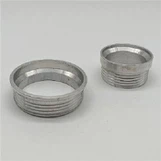
Do titanium dropouts improve the braking performance of a bike?
As a supplier of Titanium Dropouts, I've often been asked whether these high - end components can enhance a bike's braking performance. In this blog, we'll delve into the science behind it, comparing titanium dropouts with other common materials and exploring how they might affect the braking experience.
Understanding Dropouts in Bicycles
Before we discuss the impact on braking performance, let's first understand what dropouts are. Dropouts are the slots at the end of a bicycle frame's fork or rear triangle where the axle of the wheel fits. They play a crucial role in holding the wheel securely in place and transmitting forces between the wheel and the frame.
The choice of dropout material can influence several aspects of a bike's performance, including its weight, durability, and stiffness. Common materials for dropouts include steel, aluminum, and titanium. Each material has its own set of properties that can affect the overall behavior of the bike.


The Properties of Titanium
Titanium is a remarkable material known for its high strength - to - weight ratio. It is lighter than steel and has excellent corrosion resistance, making it a popular choice for high - end bicycle components. Titanium is also highly fatigue - resistant, which means it can withstand repeated stress over time without failing.
In terms of stiffness, titanium offers a unique balance. It is stiffer than aluminum in some respects, which can help in more efficient power transfer. However, it also has a certain degree of flexibility that can absorb vibrations, providing a smoother ride.
Braking Performance: The Basics
Braking performance in a bicycle depends on several factors. The most obvious ones are the quality of the brake pads, the braking mechanism (such as rim brakes or disc brakes), and the condition of the wheel rims or rotors. But the frame and its components, including the dropouts, can also have an indirect impact.
When you apply the brakes, a force is generated that tries to slow down the rotation of the wheel. This force is then transmitted through the wheel axle to the dropouts and the frame. If the dropouts are too flexible, they may absorb some of the energy that should be used to stop the bike, resulting in less efficient braking. On the other hand, if they are too stiff, they may transmit excessive vibrations to the rider, reducing comfort.
Titanium Dropouts and Braking Efficiency
One of the key ways titanium dropouts can potentially improve braking performance is through their stiffness. The stiffness of titanium helps in more direct force transmission from the wheel to the frame. When you brake, the energy is transferred more efficiently, allowing the bike to stop more quickly.
Compared to Aluminum Dropouts, which are generally less stiff, titanium dropouts can provide a more stable platform for the wheel during braking. This stability can prevent the wheel from wobbling or shifting slightly, which can be a factor in reducing braking effectiveness.
In addition, the fatigue - resistance of titanium means that the dropouts will maintain their shape and stiffness over time. This is important because if the dropouts deform due to repeated stress, they can affect the alignment of the wheel, which in turn can impact braking performance.
Vibration Damping and Braking Comfort
Another aspect of braking performance is the comfort for the rider. When you brake, especially hard, there can be a significant amount of vibration transmitted through the frame. Titanium's ability to dampen vibrations can make the braking experience more comfortable.
By reducing the amount of vibration that reaches the rider, titanium dropouts can also help the rider maintain better control during braking. This is particularly important in situations where precise control is needed, such as when braking on uneven terrain or at high speeds.
Comparing with Other Materials
Let's compare titanium dropouts with steel and aluminum dropouts in more detail.
Steel Dropouts: Steel is a very strong and stiff material. However, it is also heavy. The extra weight can slow down the bike and make it less responsive. In terms of braking, while steel dropouts can provide good force transmission, the added weight can increase the overall inertia of the bike, making it harder to stop quickly.
Aluminum Dropouts: Aluminum is lightweight and relatively inexpensive. But it is less stiff than titanium, which can lead to some energy loss during braking. Aluminum is also more prone to fatigue and corrosion compared to titanium. Over time, the dropouts may deform or corrode, affecting the wheel alignment and braking performance.
The Role of Titanium Slider Dropout
Titanium slider dropouts offer an additional advantage in terms of adjustability. They allow for fine - tuning of the chain tension and wheel position. This adjustability can be crucial for optimizing the braking performance, as a properly aligned wheel ensures that the brakes work more effectively.
For example, in a single - speed or fixed - gear bike, the correct chain tension is essential for smooth operation. A titanium slider dropout can be adjusted to achieve the ideal tension, which in turn can improve the overall performance of the bike, including braking.
Real - World Testing and User Experiences
While the theoretical benefits of titanium dropouts for braking performance are clear, real - world testing is also important. Many cyclists who have upgraded to titanium dropouts report a noticeable improvement in braking. They often mention that the brakes feel more responsive and that the bike stops more quickly.
However, it's important to note that the overall braking performance of a bike is a combination of many factors. Upgrading only the dropouts may not result in a dramatic change if the other components, such as the brakes themselves, are of poor quality.
Considerations for Purchasing Titanium Dropouts
If you're considering upgrading to titanium dropouts, there are a few things to keep in mind. Firstly, make sure they are compatible with your bike's frame and wheel size. Secondly, consider your budget. Titanium dropouts are generally more expensive than aluminum or steel dropouts, but the long - term benefits in terms of performance and durability can be worth the investment.
Conclusion
In conclusion, titanium dropouts can indeed improve the braking performance of a bike. Their stiffness allows for more efficient force transmission, and their vibration - damping properties provide a more comfortable and controlled braking experience. Compared to other materials, titanium offers a unique combination of strength, lightness, and fatigue resistance.
If you're looking to enhance your bike's braking performance and overall ride quality, upgrading to titanium dropouts is a great option. As a supplier of Titanium Dropouts, we are committed to providing high - quality products that meet the needs of cyclists. If you're interested in learning more or discussing a potential purchase, feel free to reach out for a detailed consultation.
References
- "Bicycle Science" by David Gordon Wilson
- Various industry reports on bicycle component materials and performance