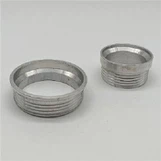
Hey there, cycling enthusiasts! I'm a supplier of Titanium Brake Studs, and today we're diving into a question that often comes up in the cycling world: Do titanium brake studs require a specific type of wheel hub?
First off, let's talk a bit about titanium brake studs. These little guys are a game - changer in the cycling industry. If you're not familiar, you can check out more about Titanium Brake Stud. Titanium is known for its high strength - to - weight ratio, corrosion resistance, and durability. When it comes to brake studs, these properties mean better performance and a longer lifespan compared to traditional steel studs.
Now, onto the main question. The short answer is that titanium brake studs don't necessarily require a specific type of wheel hub, but there are some factors to consider.
Compatibility in Terms of Size and Fit
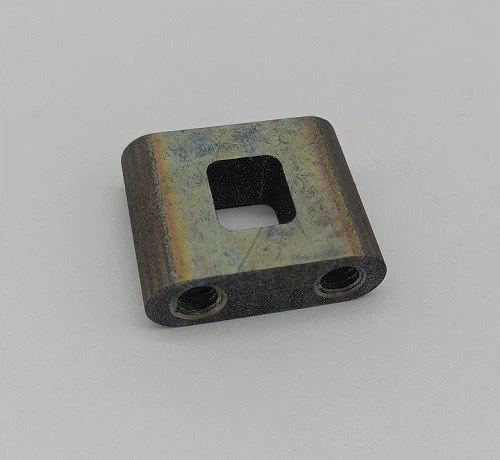
The most basic requirement for any brake stud, whether it's titanium or not, is that it fits the wheel hub properly. Wheel hubs come in different sizes and configurations, and the brake stud needs to match the mounting holes on the hub. Most standard wheel hubs are designed to accept a common range of stud sizes. Titanium brake studs are usually available in these standard sizes, so in theory, they can be used with a wide variety of wheel hubs.
However, it's important to measure the mounting holes on your wheel hub accurately. Some high - end or custom - made wheel hubs might have non - standard hole sizes or spacing. In such cases, you may need to order custom - sized titanium brake studs. As a supplier, I've seen customers who were excited about upgrading to titanium brake studs but ran into issues because they didn't double - check the fit. So, always measure twice and order once!
Material Interaction
Another aspect to think about is the interaction between the titanium brake stud and the material of the wheel hub. Most wheel hubs are made of aluminum or steel. Titanium has different chemical and physical properties compared to these metals.
When titanium and aluminum come into contact, there's a potential for galvanic corrosion. Galvanic corrosion occurs when two different metals are in an electrolyte (like moisture in the air) and form an electrical circuit. The less noble metal (in this case, aluminum) corrodes faster. To prevent this, a protective coating or insulator can be used between the titanium brake stud and the aluminum wheel hub. Some manufacturers apply a special anodized coating on the titanium studs, which acts as a barrier and reduces the risk of galvanic corrosion.
If your wheel hub is made of steel, the risk of galvanic corrosion is much lower. Steel and titanium have a closer electrochemical potential, so they are more compatible in terms of corrosion resistance. But still, it's a good idea to keep the area clean and dry to avoid any potential rust or corrosion issues.
Performance Considerations
Titanium brake studs can offer some performance benefits that might influence your choice of wheel hub. Since titanium is lighter than steel, using titanium brake studs can reduce the unsprung weight of the bike. Unsprung weight refers to the weight of the components that are not supported by the suspension system, like the wheels, tires, and brake components. Reducing unsprung weight can improve the bike's handling, acceleration, and braking performance.
If you're using a high - performance wheel hub that's designed for racing or aggressive riding, the weight savings from titanium brake studs can be a significant advantage. For example, in a downhill race, every gram counts, and the reduced unsprung weight can give you a slight edge in terms of speed and control.
On the other hand, if you have a more casual or commuter bike, the performance difference might not be as noticeable. But even for these bikes, the durability and corrosion resistance of titanium brake studs can still be a plus, especially if you ride in wet or salty conditions.
The Role of the Brake Bridge
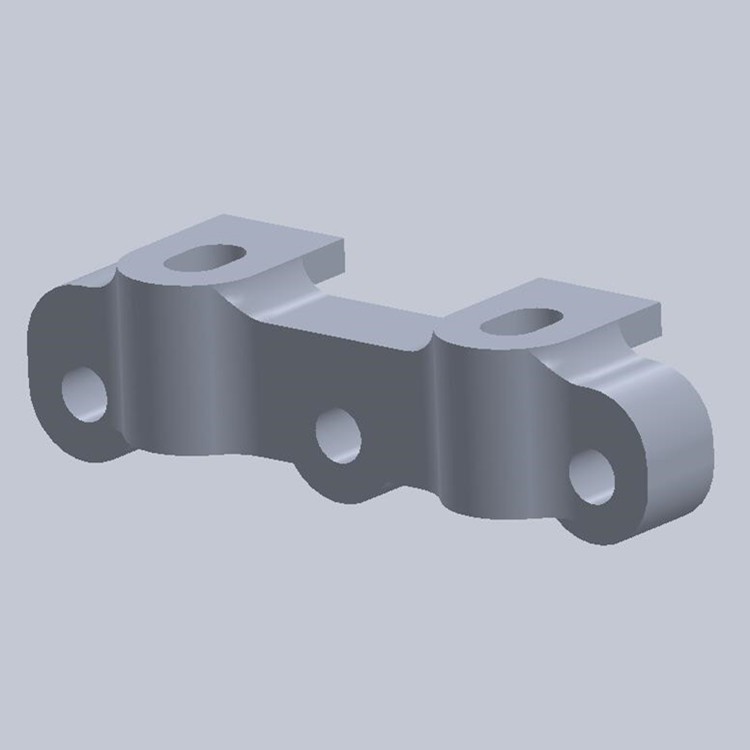
When we talk about brake studs, we can't forget about the brake bridge. The Titanium Brake Bridge works in conjunction with the brake studs to hold the brake caliper in place.
The type of brake bridge you use can also affect the compatibility with the wheel hub and the titanium brake studs. Some brake bridges are designed to work with specific types of wheel hubs or brake calipers. For example, the Dropout Flat Mount is a popular type of brake mounting system that requires a certain configuration of brake studs and bridge.
If you're upgrading to titanium brake studs, make sure that the brake bridge you have or plan to use is compatible. Sometimes, you may need to upgrade the brake bridge as well to get the best performance and fit.
Making the Right Choice
So, how do you decide if titanium brake studs are right for your wheel hub? Here are some steps to follow:
- Research Your Wheel Hub: Find out the make, model, and specifications of your wheel hub. Check the manufacturer's website or documentation for information about the mounting hole sizes and any compatibility issues.
- Consider Your Riding Style: If you're a serious racer or a performance - oriented rider, the weight savings and performance benefits of titanium brake studs might be worth the investment. For casual riders, the durability and corrosion resistance could still be appealing.
- Budget: Titanium brake studs are generally more expensive than steel studs. Consider your budget and whether the benefits justify the cost.
- Seek Expert Advice: If you're still unsure, don't hesitate to reach out to a professional bike mechanic or contact me as a supplier. We can provide more detailed information and help you make the right choice.
As a supplier of Titanium Brake Studs, I'm here to help you every step of the way. Whether you have questions about compatibility, installation, or just want to learn more about the benefits of titanium brake studs, feel free to get in touch. I can offer a wide range of titanium brake studs in different sizes and configurations to meet your needs. If you're interested in upgrading your bike with high - quality titanium brake studs, let's start a conversation. We can discuss your specific requirements and find the perfect solution for your bike.
In conclusion, while titanium brake studs don't always require a specific type of wheel hub, there are several factors to consider to ensure a proper fit and optimal performance. By doing your research and making an informed decision, you can enjoy the benefits of these amazing components on your bike.
References
- General knowledge of cycling components and materials
- Industry standards and specifications for bike parts