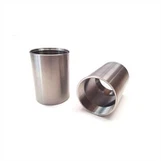
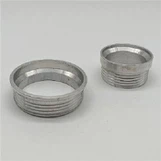
When it comes to building high - performance bicycles, every component plays a crucial role, and dropouts are no exception. As a trusted supplier of Aluminum Dropouts, I've had numerous inquiries about whether aluminum dropouts require any special installation techniques. In this blog post, I'll delve into this topic, exploring the characteristics of aluminum dropouts, comparing them with other materials, and providing detailed installation guidelines.
Understanding Aluminum Dropouts
Aluminum is a popular choice for bicycle dropouts due to its unique set of properties. It is lightweight, which is a significant advantage for cyclists looking to reduce the overall weight of their bikes. This lightweight nature doesn't compromise on strength, as modern aluminum alloys are engineered to withstand the stresses and strains of regular cycling. Additionally, aluminum is corrosion - resistant, ensuring that the dropouts maintain their integrity over time, even in harsh environmental conditions.
Compared to other materials such as steel or Titanium Dropouts, aluminum offers a different balance of cost, weight, and performance. Steel dropouts are known for their durability and strength, but they are heavier. Titanium dropouts, on the other hand, are incredibly strong and lightweight, but they come with a higher price tag. Aluminum dropouts strike a middle ground, providing a cost - effective solution without sacrificing too much in terms of performance.
Special Considerations for Installation
While aluminum dropouts do not require radically different installation techniques compared to other materials, there are some special considerations that need to be taken into account.
Surface Preparation
One of the most important steps in installing aluminum dropouts is proper surface preparation. Aluminum has a natural oxide layer that can prevent a good bond if not removed. Before installation, it is essential to clean the surface of the dropout and the area on the frame where it will be attached. A mild abrasive can be used to gently scuff the surface, removing the oxide layer and providing a better surface for bonding or welding.
Heat Management
Aluminum has a relatively low melting point compared to steel. When welding aluminum dropouts to the frame, it is crucial to manage the heat carefully. Excessive heat can cause the aluminum to warp or even melt, leading to a weak joint. Specialized welding techniques, such as TIG (Tungsten Inert Gas) welding, are often used for aluminum because they allow for precise control of the heat input. The welder needs to have experience working with aluminum to ensure a strong and reliable joint.
Torque Specifications
When attaching components to the dropouts, such as the axle nuts or quick - release skewers, it is important to follow the manufacturer's torque specifications. Over - tightening can cause the aluminum to crack or deform, while under - tightening can result in a loose connection that may affect the safety and performance of the bike. Using a torque wrench is highly recommended to ensure that the correct torque is applied.
Step - by - Step Installation Guide
Step 1: Gather the Necessary Tools
Before starting the installation, make sure you have all the required tools. This includes a welder (if welding the dropouts), a mild abrasive for surface preparation, a torque wrench, and any other tools specific to the type of dropout and frame you are working with.
Step 2: Surface Preparation
Clean the surface of the aluminum dropout and the frame area where it will be attached. Use a mild abrasive to gently scuff the surfaces to remove the oxide layer. Wipe away any debris or dust with a clean cloth.
Step 3: Positioning the Dropout
Carefully position the dropout on the frame in the correct orientation. Make sure it is aligned properly with the other components of the frame, such as the chainstays. Use clamps or other holding devices to secure the dropout in place temporarily.
Step 4: Welding or Bonding
If you are welding the dropout, use the appropriate welding technique, such as TIG welding. Follow the recommended welding parameters for aluminum, including the correct heat input and shielding gas. If you are using a bonding method, apply the adhesive according to the manufacturer's instructions.
Step 5: Final Assembly
Once the dropout is securely attached to the frame, you can proceed with the final assembly. Attach the axle nuts or quick - release skewers, following the correct torque specifications. Check the alignment and functionality of the dropout to ensure that everything is working properly.
Benefits of Using Aluminum Dropouts
In addition to the lightweight and corrosion - resistant properties mentioned earlier, aluminum dropouts offer several other benefits. They are available in a wide range of designs and styles, allowing for greater customization of the bicycle frame. This means that cyclists can choose dropouts that not only meet their performance requirements but also match the aesthetic of their bike.
Aluminum dropouts are also relatively easy to machine, which allows for more precise manufacturing. This precision can result in a better fit and improved performance, especially when it comes to components such as the rear wheel.


Conclusion
In conclusion, while aluminum dropouts do not require completely different installation techniques compared to other materials, there are some special considerations that need to be taken into account. Proper surface preparation, heat management, and torque control are essential for a successful installation. By following the guidelines outlined in this blog post, you can ensure that your aluminum dropouts are installed correctly and will provide reliable performance for your bicycle.
If you are in the market for high - quality aluminum dropouts, look no further. As a leading supplier, we offer a wide range of Aluminum Dropouts to meet your specific needs. Whether you are a professional frame builder or a DIY enthusiast, our products are designed to provide the best combination of performance, durability, and affordability. We are always ready to assist you with any questions you may have about our products or the installation process. Feel free to reach out to us to start a discussion about your procurement needs.
References
- "Bicycle Frame Building Handbook" by Lennard Zinn
- Manufacturer's manuals for aluminum dropouts and welding equipment.