Hey there, fellow plant enthusiasts and bike part seekers! I'm running a Stem Parts supply business, and today, I wanna dig into a super interesting question: Do all plants have the same stem parts?
Let's start by getting a basic understanding of what plant stems are all about. Stems are like the backbone of a plant. They do a bunch of important jobs, like holding up the leaves so they can catch sunlight, transporting water and nutrients between the roots and the rest of the plant, and sometimes even storing food.
Now, when we look closely at different plants, it quickly becomes clear that not all stems are created equal. Take trees, for example. They've got these thick, woody stems called trunks. These trunks are super strong and can support the massive weight of the tree's branches and leaves. The trunk has different layers. There's the outer bark, which acts like a protective shield, keeping bugs and diseases out. Underneath the bark is the phloem, which is responsible for carrying sugars and other organic compounds from the leaves down to the rest of the plant. Then there's the cambium, a thin layer of cells that can divide and make new phloem and xylem cells. The xylem is like a water - pipe system, moving water and minerals from the roots up to the leaves.
On the other hand, we've got herbaceous plants. These are the ones that don't have a woody stem. Think of your typical garden flowers or vegetables. Their stems are usually soft and green. They're a lot more flexible than tree trunks. Herbaceous stems also have vascular tissues (xylem and phloem) to transport stuff around the plant, but they don't have the thick layers of wood that trees do. Some herbaceous plants have hollow stems, which can make them lighter and more efficient at growing quickly.
Another cool example is vines. Vines are plants that can't stand up on their own. They need to climb on other things for support. Their stems are often long and thin, and they've developed special adaptations to help them climb. Some vines have tendrils, which are like little curly - q appendages that can wrap around objects. Others have adventitious roots that can attach to surfaces. The stem parts of vines are built to be flexible and stretchy so they can reach out and find support as they grow.
Now, let's talk about cacti. Cacti are desert plants, and their stems are really unique. Since water is scarce in the desert, cacti have thick, fleshy stems that can store a lot of water. Their stems are also covered in a waxy layer to reduce water loss. Instead of leaves, most cacti have spines, which help protect the plant from animals and also provide some shade. The stem of a cactus is the main organ for photosynthesis, as well as water storage.
So, clearly, plants have a wide variety of stem parts depending on their environment and survival needs.
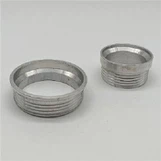
But hey, I'm not just here to talk about plants. As a Stem Parts supplier, I've also got some great stuff for bike enthusiasts. If you're looking for high - quality stem parts for your bike, we've got you covered. Check out our Titanium Stem Parts. Titanium is a super strong and lightweight material, making it perfect for bike stems. It can withstand a lot of stress while keeping your bike light and easy to handle.
We also have the Bike Stem Riser Bike Fork Stem Extender Bicycle Handlebar Raiser Head Up Adapter Suitable For Mountain Bike, Road Bike, MTB, BMX, Fixie (Aluminium Alloy, Adjustable). This is a great product if you want to adjust the height of your bike's handlebars. Whether you're going on a long road ride or hitting the trails on your mountain bike, having the right handlebar height can make a huge difference in your comfort and performance.


If you're in the market for stem parts for your bike, whether it's for a new build or an upgrade, I'd love to hear from you. We've got a wide range of options to suit different needs and budgets. Just reach out, and we can start a conversation about what would work best for you.
In conclusion, plants are amazing in how they've evolved different stem parts to survive in various environments. And if you're into bikes, we've got the stem parts to take your cycling experience to the next level. So, don't hesitate to get in touch and let's start talking about your stem part needs!
References
- Raven, P. H., Evert, R. F., & Eichhorn, S. E. (2005). Biology of Plants. W.H. Freeman and Company.
- Mauseth, J. D. (2014). Botany: An Introduction to Plant Biology. Jones & Bartlett Learning.