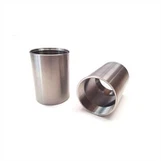
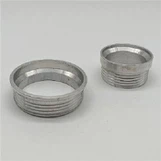
As a supplier of Titanium Stem Parts, I've often been asked about the potential applications of our products beyond the realm of bicycles. One question that comes up frequently is whether titanium stem parts can be used in automotive engines. In this blog post, I'll explore this topic in detail, examining the properties of titanium, the requirements of automotive engines, and the feasibility of using titanium stem parts in this context.
Properties of Titanium
Titanium is a remarkable metal known for its exceptional strength-to-weight ratio, corrosion resistance, and high melting point. These properties make it an attractive material for a wide range of applications, including aerospace, medical implants, and sporting goods.
Strength-to-Weight Ratio
One of the most significant advantages of titanium is its high strength-to-weight ratio. Titanium is about 45% lighter than steel but has similar strength properties. This means that components made from titanium can be lighter without sacrificing strength, which is crucial in applications where weight reduction is a priority, such as automotive engines.
Corrosion Resistance
Titanium is highly resistant to corrosion, even in harsh environments. It forms a thin, protective oxide layer on its surface that prevents further oxidation and corrosion. This property makes titanium ideal for use in automotive engines, where components are exposed to high temperatures, chemicals, and moisture.
High Melting Point
Titanium has a high melting point of approximately 1,668°C (3,034°F), which allows it to withstand the extreme temperatures generated in automotive engines. This high melting point ensures that titanium components maintain their structural integrity under high-stress conditions.
Requirements of Automotive Engines
Automotive engines are complex systems that require components to meet strict performance and reliability standards. Some of the key requirements for engine components include:
Strength and Durability
Engine components must be strong enough to withstand the high pressures and forces generated during combustion. They also need to be durable enough to last for the lifetime of the engine, which can be hundreds of thousands of miles.
Heat Resistance
Automotive engines operate at high temperatures, and components must be able to withstand these temperatures without deforming or losing their strength. Heat resistance is particularly important in components such as pistons, valves, and connecting rods.
Weight Reduction
Reducing the weight of engine components can improve fuel efficiency, acceleration, and handling. Lighter components also put less stress on other parts of the engine, which can extend their lifespan.
Precision and Tolerance
Engine components must be manufactured to precise specifications to ensure proper fit and function. Tight tolerances are required to maintain the efficiency and performance of the engine.
Feasibility of Using Titanium Stem Parts in Automotive Engines
Based on the properties of titanium and the requirements of automotive engines, it is feasible to use titanium stem parts in certain applications. However, there are several factors to consider before making this decision.
Cost
One of the main challenges of using titanium in automotive engines is its cost. Titanium is more expensive than traditional materials such as steel and aluminum, which can increase the overall cost of the engine. However, the benefits of weight reduction, corrosion resistance, and durability may outweigh the higher cost in some applications.
Manufacturing Complexity
Titanium is a difficult material to machine and form, which can increase the manufacturing complexity and cost of engine components. Specialized equipment and techniques are required to work with titanium, and manufacturers need to have the expertise and experience to ensure high-quality production.
Compatibility with Other Materials
When using titanium stem parts in automotive engines, it is important to consider their compatibility with other materials. Titanium can react with certain metals and chemicals, which can cause corrosion and other problems. Proper surface treatments and coatings may be required to ensure compatibility and prevent corrosion.
Design Considerations
The design of the engine and its components must be carefully considered when using titanium stem parts. The unique properties of titanium, such as its high strength-to-weight ratio and low thermal conductivity, may require modifications to the design to optimize performance and reliability.
Potential Applications of Titanium Stem Parts in Automotive Engines
While the use of titanium stem parts in automotive engines is still relatively limited, there are several potential applications where their properties could provide significant benefits.
Valvetrain Components
Titanium valves and valve springs are already used in some high-performance engines. The lightweight and high strength of titanium allow for faster valve operation, which can improve engine performance and efficiency. Titanium stem parts could also be used in the valve train to reduce weight and improve durability.
Connecting Rods
Connecting rods are critical components in automotive engines that transmit the force from the pistons to the crankshaft. Titanium connecting rods are lighter than steel connecting rods, which can reduce reciprocating mass and improve engine balance. This can result in better acceleration, fuel efficiency, and overall performance.
Pistons
Titanium pistons have the potential to reduce weight and improve heat transfer in automotive engines. The high strength and low thermal expansion of titanium make it an attractive material for pistons, which are subjected to high temperatures and pressures.
Engine Blocks
While the use of titanium in engine blocks is still in the experimental stage, it has the potential to significantly reduce the weight of the engine. Titanium engine blocks could also offer improved corrosion resistance and durability compared to traditional aluminum or cast-iron blocks.
Conclusion
In conclusion, titanium stem parts have the potential to be used in automotive engines, but there are several factors to consider before making this decision. The properties of titanium, such as its high strength-to-weight ratio, corrosion resistance, and high melting point, make it an attractive material for engine components. However, the cost, manufacturing complexity, compatibility with other materials, and design considerations must be carefully evaluated.


As a supplier of Titanium Stem Parts, we are committed to providing high-quality products and technical support to our customers. If you are interested in exploring the use of titanium stem parts in your automotive engine applications, we would be happy to discuss your requirements and provide you with more information. Please feel free to contact us to start a conversation about your specific needs and how our products can help you achieve your goals.
References
- ASM Handbook, Volume 2: Properties and Selection: Nonferrous Alloys and Special-Purpose Materials. ASM International, 1990.
- Dieter, G. E. (1986). Mechanical Metallurgy. McGraw-Hill.
- Kalpakjian, S., & Schmid, S. R. (2006). Manufacturing Engineering and Technology. Pearson Prentice Hall.