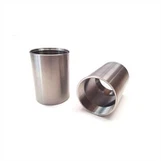
When it comes to recumbent bikes, cyclists often seek the best components to enhance performance, durability, and safety. One crucial part that plays a significant role in the braking system is the brake bridge. As a supplier of high - quality Titanium Brake Bridge, I've been frequently asked whether a titanium brake bridge can be used on a recumbent bike. In this blog, I'll delve into the technical aspects, advantages, and practical considerations of using a titanium brake bridge on recumbent bikes.
Technical Compatibility
To understand if a titanium brake bridge can be used on a recumbent bike, we first need to look at the technical requirements of recumbent bike braking systems. Recumbent bikes, like traditional upright bicycles, rely on a braking mechanism that transfers force from the brake levers to the brake pads, which then grip the rims or discs to slow down or stop the bike.
The brake bridge is an essential component in this system, especially in rim - brake setups. It connects the two brake arms, ensuring that they move in unison when the brakes are applied. From a technical perspective, a titanium brake bridge can be easily integrated into a recumbent bike's braking system if the bike is designed for a standard brake bridge. Most recumbent bikes follow common bicycle design standards, and as long as the dimensions and mounting points of the titanium brake bridge match those of the bike's frame and brake arms, it can be used without major issues.
For example, if the recumbent bike has a standard 700c or 26 - inch wheel size and uses a caliper - style rim brake, a well - designed titanium brake bridge like the Titanium Brake Bridge can be a direct replacement for the stock brake bridge. The mounting holes on the brake arms and the frame should align properly, allowing for a seamless installation.
Advantages of Titanium Brake Bridge on Recumbent Bikes
Lightweight
One of the most significant advantages of using a titanium brake bridge on a recumbent bike is its lightweight nature. Titanium is known for its high strength - to - weight ratio. Compared to steel or aluminum brake bridges, a titanium brake bridge can significantly reduce the overall weight of the bike. This is particularly important for recumbent bikes, as a lighter bike requires less energy to pedal, especially when climbing hills or accelerating.
A lighter brake bridge also means that the bike's handling can be improved. The reduced unsprung weight allows the wheels to respond more quickly to changes in terrain, resulting in a smoother and more agile ride. This is beneficial for recumbent cyclists who often participate in long - distance rides or races, where every gram counts.
Corrosion Resistance
Recumbent bikes are often used in various weather conditions, and exposure to moisture and other environmental factors can lead to corrosion of metal components. Titanium is highly resistant to corrosion, making it an ideal material for a brake bridge. Unlike steel, which can rust over time, a titanium brake bridge will maintain its structural integrity and appearance even after years of use in wet or salty environments.
This corrosion resistance also means that the brake bridge requires less maintenance. Cyclists don't have to worry about regularly inspecting and treating the brake bridge for rust, which can save time and money in the long run.
Strength and Durability
Titanium is a very strong material, capable of withstanding high levels of stress. The brake bridge is subjected to significant forces when the brakes are applied, especially during hard stops. A titanium brake bridge can handle these forces without deforming or breaking, ensuring reliable braking performance over its lifespan.
The high durability of titanium also means that the brake bridge is less likely to need replacement. This is important for recumbent bike owners, as it reduces the frequency of component replacements and the associated costs.
Practical Considerations
Cost
One of the main drawbacks of using a titanium brake bridge is its cost. Titanium is a more expensive material than steel or aluminum, and the manufacturing process for titanium components is also more complex. As a result, a titanium brake bridge will typically cost more than its counterparts made from other materials.
However, when considering the long - term benefits of lightweight, corrosion resistance, and durability, the higher upfront cost can be justified. For serious recumbent cyclists who are willing to invest in high - quality components for their bikes, the cost of a titanium brake bridge may be a worthwhile expense.


Compatibility with Other Components
While a titanium brake bridge can be compatible with most standard recumbent bike braking systems, it's important to ensure that it works well with other components in the system. For example, the brake cables and housing need to be properly adjusted to work with the new brake bridge.
The Cable Shifter Adjuster Screw may need to be adjusted to ensure that the brake pads are properly aligned and that the brakes engage and disengage smoothly. Additionally, if the recumbent bike uses a Dropout Flat Mount for the brakes, the titanium brake bridge needs to be compatible with this mounting system.
Installation
Installing a titanium brake bridge on a recumbent bike requires some mechanical skills. Cyclists need to carefully remove the old brake bridge and install the new one, making sure that all mounting bolts are tightened to the correct torque specifications.
If you're not confident in your mechanical abilities, it's recommended to have the installation done by a professional bike mechanic. This ensures that the brake bridge is installed correctly and that the braking system is functioning properly.
Conclusion
In conclusion, a titanium brake bridge can be used on a recumbent bike, and it offers several advantages in terms of lightweight, corrosion resistance, strength, and durability. While there are some practical considerations such as cost and compatibility with other components, the benefits make it a viable option for many recumbent cyclists.
If you're interested in enhancing the performance and durability of your recumbent bike's braking system, consider using a Titanium Brake Bridge. As a supplier of high - quality titanium brake bridges, we're committed to providing the best products and services to our customers. If you have any questions or would like to discuss your specific needs, please feel free to contact us for more information and to start a procurement negotiation.
References
- "Bicycle Engineering" by David Gordon Wilson
- "The Recumbent Bicycle: Design, Construction, and Use" by Frank Berto