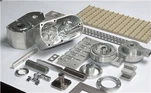
Precision mechanical machining processes generate wastewater that contains a variety of contaminants, such as lubricating oils, resins, and metal ions, which can be highly toxic and polluting if not properly treated. The treatment of this wastewater is essential to prevent environmental contamination and comply with environmental regulations. Here are some of the technical methods used for the treatment of precision mechanical machining wastewater:
Chemical Oxidation: This method is widely used for its effectiveness in breaking down organic compounds in wastewater. It involves the use of strong oxidizing agents, such as Fenton's reagent, to oxidize and decompose the contaminants into less harmful substances. The process is economic, simple, and requires low-quality water input. It is particularly effective for high-concentration, emulsified oil wastewater, which is a common byproduct of precision machining operations13.
Physical-Chemical Treatments: These include methods such as coagulation and flocculation to remove suspended solids and colloidal particles from the wastewater. After physical separation, chemical treatments like chemical oxidation decomposition can further break down the pollutants13.
Biological Treatment: The A/O (Anaerobic/Oxic) process is a common biological treatment method that involves a two-stage system. The first stage, anaerobic digestion, breaks down complex organic compounds into simpler forms, increasing the biodegradability of the wastewater. The second stage, aerobic treatment, uses microorganisms to further break down organic matter into less harmful substances24.
Advanced Oxidation Processes (AOPs): AOPs are effective in treating wastewater with high chemical oxygen demand (COD) and low biodegradability. They use a combination of chemical oxidants, such as ozone or hydrogen peroxide, and UV radiation to generate highly reactive hydroxyl radicals that can oxidize and break down a wide range of contaminants5.
Membrane Separation Technologies: Membrane processes like reverse osmosis (RO) and ultrafiltration (UF) are used for the advanced treatment of precision machining wastewater. These technologies can effectively remove a wide range of contaminants, including dissolved solids, organics, and metals. However, they require high-quality pre-treatment to prevent membrane fouling and have higher operational costs compared to other methods25.
Activated Carbon Adsorption: Activated carbon is used to adsorb organic compounds and some metal ions from the wastewater. This method is effective for the removal of low concentrations of contaminants and can be used as a polishing step after other treatment processes. It is a stable and manageable process but requires regular replacement or regeneration of the activated carbon25.
Electrochemical Methods: These involve the use of electrical current to drive chemical reactions that remove contaminants from wastewater. Electrocoagulation and electro-oxidation are examples of electrochemical methods that can be used to treat precision machining wastewater. They offer the advantage of producing less sludge compared to chemical coagulation methods13.
Each of these methods has its advantages and limitations, and the choice of treatment technology depends on the specific characteristics of the wastewater, local environmental regulations, and economic considerations. Often, a combination of these methods is used to achieve the desired level of wastewater treatment and to ensure that the treated water meets discharge standards or can be reused within the manufacturing process341.