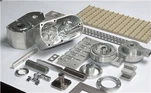
Sheet metal processing is a vital manufacturing technique that involves working with thin, flat pieces of metal to create a wide range of components and products. Effective communication about this process is essential for both understanding its capabilities and for specifying the needs of various projects accurately. Here's an overview in English:
Sheet Metal Processing: Crafting Precision with Communication
Sheet metal processing is an essential discipline within the manufacturing industry, where thin and flat metal sheets are manipulated into functional parts through various techniques. This process is critical for creating everything from automotive components to electrical enclosures and architectural details. Effective communication is key to ensuring that the intricacies of sheet metal processing are well understood and that the end products meet the highest standards of precision and functionality.
Fundamentals of Sheet Metal Processing:
Material Selection: Choosing the right metal, such as steel, aluminum, or brass, is the first step, with considerations for strength, weight, and corrosion resistance.
Shearing: Metal sheets are cut to size using shearing machines, which can be either manual or computer-controlled for precision.
Bending: Techniques like brake pressing or roll bending are used to form the metal into complex shapes without cracking or deforming the material.
Stamping: This involves using dies and presses to cut and shape the metal into specific profiles or components.
Folding: Metal sheets are folded along lines to create boxes, enclosures, or other three-dimensional shapes.
Welding: Laser, MIG, or TIG welding may be used to join pieces together, requiring high precision to maintain the integrity of the metal.
Finishing: Processes like polishing, painting, or powder coating are applied to enhance appearance, durability, and corrosion resistance.
Assembly: The final step involves assembling the individual components into finished products, often requiring custom fixtures or jigs.
Importance of Effective Communication:
Design Clarity: Clear communication ensures that the design intent is accurately conveyed, leading to better outcomes in terms of fit, form, and function.
Technical Specifications: Detailed specifications, including tolerances and material grades, must be communicated to avoid costly mistakes.
Problem-Solving: Open dialogue allows for collaborative problem-solving when challenges arise during the manufacturing process.
Quality Assurance: Regular communication helps in maintaining quality standards by promptly addressing any issues that may occur.
Timeline Management: Keeping all stakeholders informed about the progress and any potential delays is crucial for project management.
Cost Control: Effective communication can help in managing costs by avoiding misunderstandings that lead to rework or redesign.
Future of Sheet Metal Processing:
The future of sheet metal processing is intertwined with advancements in technology, such as automation, robotics, and computer-aided design (CAD). As these technologies evolve, the importance of clear and effective communication will only grow, ensuring that the manufacturing process remains efficient, accurate, and responsive to the needs of a rapidly changing market.
Understanding and communicating the complexities of sheet metal processing are essential for anyone involved in manufacturing, engineering, or design. By focusing on effective communication, the industry can continue to produce high-quality, precision-engineered components that meet the demands of modern applications.