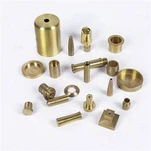
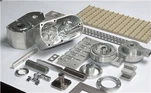
Drafting a process route for precision mechanical finishing is a critical task that ensures the production of high-quality parts with the required dimensions, tolerances, and surface finishes. The process route is a detailed plan that outlines the sequence of operations, the equipment to be used, and the specific techniques and conditions under which each operation will be performed. Here are the principles that guide the drafting of an effective process route for precision mechanical finishing:
1. Understanding the Part Design and Specifications
Before drafting the process route, it's essential to have a thorough understanding of the part's design, including its geometry, dimensions, tolerances, and surface finish requirements. This information will dictate the selection of appropriate finishing processes and the level of precision required at each stage.
2. Selection of Appropriate Finishing Processes
Choose the finishing processes that best meet the part's requirements. This may include grinding, honing, lapping, polishing, or other precision finishing methods. The choice depends on factors such as the material being machined, the desired surface finish, and the level of dimensional accuracy required.
3. Sequence of Operations
The sequence of operations should be logical and efficient, minimizing the handling of parts and maximizing the use of machines. The general principle is to proceed from roughing operations to finishing operations, gradually achieving the desired level of precision. For example, a typical sequence might start with rough machining to remove excess material, followed by semi-finishing to refine the shape, and finally, finishing operations to achieve the required surface finish and tolerances.
4. Minimization of Machining Defects
The process route should be designed to minimize defects such as tool marks, burnishing, or chatter marks. This can be achieved by selecting the right cutting tools, using appropriate cutting speeds and feeds, and employing proper workholding techniques.
5. Consideration of Tool Life and Wear
The process route should take into account the tool life and wear patterns. Using the right tools and changing them when necessary will ensure consistent quality throughout the production run. It's also important to schedule regular maintenance and calibration of machines to maintain precision.
6. Balancing Production Efficiency and Precision
While the goal is to achieve high precision, it's also necessary to balance this with production efficiency. The process route should optimize the use of equipment and minimize non-productive time without compromising the quality of the finished part.
7. Quality Control and Inspection
Incorporate inspection points into the process route where critical dimensions and surface finishes are verified. This helps to catch any deviations early in the process, allowing for corrective actions to be taken before the part is fully completed.
8. Adaptability and Flexibility
The process route should be flexible enough to accommodate changes or adjustments as needed. This might be due to unexpected issues during production, changes in material properties, or updates to the part design.
9. Documentation and Standardization
Finally, the process route should be well-documented, with clear instructions and standardized procedures. This ensures that all personnel involved in the production process understand the steps and can execute them consistently.
In summary, drafting a process route for precision mechanical finishing involves a careful consideration of the part's design and specifications, the selection of appropriate finishing processes, the logical sequencing of operations, and the integration of quality control measures. By following these principles, manufacturers can create an efficient and effective process route that delivers high-quality precision parts consistently.