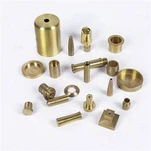
Preventing mold damage in precision machining is crucial to maintaining the quality, accuracy, and longevity of the machined parts. Mold damage can occur due to various factors, including corrosion, wear, and environmental influences. Here are several strategies to prevent mold damage in precision machining:
1. Material Selection
Choose Resistant Materials: Select materials that are resistant to the conditions that cause mold formation. For instance, stainless steel and certain grades of aluminum and plastics have natural resistance to corrosion and mold.
Use Protective Coatings: Apply protective coatings to the mold surfaces. These can include wax, epoxy, or other specialized coatings that create a barrier against moisture and corrosive substances.
2. Environmental Control
Control Humidity: High humidity levels can promote mold growth. Use dehumidifiers and air conditioning systems to maintain optimal humidity levels in the machining environment.
Temperature Regulation: Keep the workshop or production area at a stable temperature. Extreme temperature fluctuations can cause condensation, leading to moisture buildup and potential mold growth.
3. Cleanliness and Maintenance
Regular Cleaning: Implement a regular cleaning schedule for all machinery and work areas. Remove any dust, debris, and residues that could potentially lead to mold growth.
Proper Storage: Store precision machining tools and components in dry, clean conditions. Use protective covers or sealed storage containers to prevent exposure to moisture and contaminants.
4. Preventive Maintenance
Routine Inspections: Conduct routine inspections of molds and machinery for signs of wear, corrosion, or other potential issues that could lead to mold damage.
Timely Repairs: Address any issues identified during inspections promptly. Small problems, if left unattended, can lead to more significant mold damage.
5. Anti-Microbial Measures
Use Anti-Microbial Agents: Incorporate anti-microbial agents into the materials or coatings used for molds. These agents can inhibit the growth of mold and other microorganisms.
6. Design Considerations
Design for Ease of Cleaning: Design molds and machinery in a way that allows for easy disassembly and cleaning. This can help prevent the buildup of mold and other contaminants in hard-to-reach areas.
Ventilation Channels: Include ventilation channels in the mold design to allow air circulation and prevent moisture buildup.
7. Training and Awareness
Educate Personnel: Train employees on the importance of preventing mold damage and the steps they can take to minimize the risk. This includes proper handling, storage, and cleaning procedures.
8. Quality Control
Implement Quality Control Measures: Establish quality control measures to monitor the production process and identify potential issues before they lead to mold damage.
Regular Testing: Conduct regular testing of the molds and machined parts for signs of mold or corrosion. Early detection can prevent further damage.
Conclusion
Preventing mold damage in precision machining requires a proactive approach that combines material selection, environmental control, cleanliness, maintenance, design considerations, and employee training. By implementing these strategies, manufacturers can ensure the integrity of their molds and the quality of their machined parts, leading to more efficient and reliable production processes. Regular inspections, preventive maintenance, and continuous monitoring are key to identifying and addressing potential issues before they escalate, thereby safeguarding the investment in precision machining equipment and tools.