

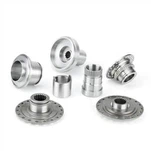
The process of metal precision parts processing involves several steps that ensure the production of high-quality finished products. The process follows a strict workflow that involves cutting, drilling, shaping, and polishing metal parts. Here is a detailed explanation of the metal precision parts processing process flow:
Step 1: Design Analysis
The first step in the metal precision parts processing process is design analysis. This step involves a thorough understanding of the customer's requirements such as the design, specifications, dimensions, tolerances, and material type. The design is analyzed to identify any potential areas of difficulty that may be encountered during manufacturing.
Step 2: Material Selection
The second step involves the selection of the appropriate materials. The material used for the production of metal parts determines the properties of the finished product. High-quality materials such as aluminum, brass, steel, and titanium are selected for their mechanical and physical properties, including strength, durability, and resistance to wear and corrosion.
Step 3: Cutting
The third step is cutting, which involves the use of various cutting machines like laser cutting, CNC cutting, and water jets to cut raw material into the desired shape and size.
Step 4: Machining
The fourth step is machining which involves the use of computer-controlled machines like CNC machines and lathes to shape the metal parts. Machining is a highly precise process that requires skilled technicians to operate the machines efficiently.
Step 5: Drilling
The fifth step is drilling which is done to create holes in the metal parts. The holes can be used for various purposes, including fastening and attaching other components.
Step 6: Shaping
The sixth step is shaping which involves the use of other machines such as presses and rollers to reshape the metal parts to the desired shape and size.
Step 7: Surface Treatment
The seventh step is surface treatment that involves polishing, coating, and painting to enhance the quality of the finished product. Polishing ensures the metal parts have a smooth surface and shining appearance while coating and painting increase the durability and resistance to wear and corrosion.
Step 8: Quality Control
The final step in the metal precision parts processing process is quality control. The final product is inspected to ensure it meets the requirements of the customer. This ensures that the product is of high quality and is free from defects.
In conclusion, metal precision parts processing is a complex process that requires precision, accuracy, and attention to detail. Following the process flow ensures that finished products are of high quality, meet customer requirements, and are free from defects.
Metal Precision Parts Processing Process Flow Detailed Explanation
Feb 19, 2024


Send Inquiry
Latest News

Contact Us
- Tel: +8618021543605
- Fax: +86-25-58659205
- Email: cnmorong@yeah.net
- Email: sales@mrmachining.com
- Add: 28#, Taixi Rd, Pukou, Nanjing, Jiangsu, China