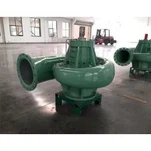
Nanjing Morong Machinery Technology Co., Ltd. is committed to the highest standards of mechanical part production, and a critical aspect of this commitment is the selection of materials for part machining. The principles that guide the choice of materials are as follows:
Functionality: The material must be capable of fulfilling the functional requirements of the part, such as strength, durability, and resistance to wear and tear.
Compatibility: The selected material should be compatible with the working environment of the part, including resistance to chemical reactions, environmental conditions, and temperature ranges.
Cost-Effectiveness: While high performance is essential, the material must also be cost-effective, balancing quality with budgetary constraints.
Availability: The material should be readily available to ensure timely production without significant delays due to supply chain issues.
Processability: The material must be suitable for the manufacturing processes it will undergo, including casting, forging, machining, and heat treatment.
Weight Consideration: For applications where weight is a factor, materials with lower densities or those that can be used in thinner sections without compromising strength are preferred.
Recyclability and Environmental Impact: With increasing environmental concerns, the material's recyclability and its impact on the environment during production and end-of-life disposal are considered.
Safety: The material must meet safety standards and regulations, ensuring that it does not pose any risk to users or the public.
Aesthetics: In some applications, the material's appearance is also a consideration, especially for parts that are visible or have a significant impact on the product's design.
Regulatory Compliance: The material must comply with industry standards and regulations, which may vary by region or application.
By adhering to these principles, Nanjing Morong Machinery Technology Co., Ltd. ensures that the materials used in the machining of mechanical parts are not only suitable for their intended purpose but also align with economic, environmental, and regulatory considerations. This approach results in high-quality parts that meet the diverse needs of various industries.