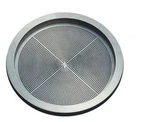
High-Precision Customization in Large-Sized Parts Machining
In the realm of mechanical engineering and manufacturing, the demand for high-precision customization is on the rise, especially for large-sized parts that are integral to various industries such as aerospace, automotive, energy, and heavy machinery. High-precision customization refers to the process of manufacturing components with exacting specifications tailored to the unique requirements of each application.
Key Aspects of High-Precision Customization:
Tolerance Control: High-precision machining ensures that parts are manufactured within tight tolerances, which is critical for the proper fit and function within complex assemblies.
Material Selection: The choice of material is paramount for large-sized parts, as it directly affects the part's durability, weight, and performance. Customization allows for the selection of the most suitable material for each specific application.
Design Complexity: Customized parts often involve complex geometries that require advanced machining techniques to produce.
Surface Finish: A high-quality surface finish is essential for reducing wear and improving the lifespan of the part. High-precision machining can achieve superior surface finishes.
Strength and Reliability: Customized parts are designed and manufactured to meet specific strength requirements, ensuring reliability and safety in service.
Challenges in Machining Large-Sized Parts:
Equipment Capacity: Machining large parts requires machines with sufficient bed sizes and travel ranges to handle the dimensions of the workpiece.
Rigidity and Stability: Larger parts can introduce more significant deflections under cutting loads, necessitating machines with high rigidity to maintain precision.
Thermal Distortion: The heat generated during machining can cause thermal distortion, affecting the accuracy of the part. High-precision processes must account for and mitigate this.
Material Removal Rates: Large parts may require higher material removal rates without compromising precision, which is a challenge that requires careful planning and execution.
Cost Efficiency: Producing large, customized parts can be expensive. Advanced machining strategies must balance precision with cost-effectiveness.
Technological Solutions:
Computer Numerical Control (CNC): CNC machines are programmed to achieve high precision and repeatability, even on large parts.
High-Speed Machining: This technique allows for faster material removal rates with minimal heat generation, maintaining precision.
Precision Measuring Tools: Coordinate Measuring Machines (CMMs) and laser scanning are used to verify dimensions and ensure precision.
CAD/CAM Software: Advanced software is used to design parts and program machines, allowing for complex geometries and precise tool paths.
Multi-Axis Machining: Multi-axis machines offer the flexibility to approach complex shapes from various angles, improving precision and efficiency.
Robotic Automation: Robotics can assist in handling large parts, ensuring consistent and precise positioning throughout the machining process.
Future Trends:
The future of high-precision customization in large-sized parts machining is likely to involve further integration of:
Artificial Intelligence (AI): To optimize machining parameters and predict tool wear.
Additive Manufacturing: For producing complex geometries and reducing material waste.
IoT Connectivity: For real-time monitoring and adaptive control of machining processes.
Sustainability Practices: With a focus on reducing the environmental impact of machining large parts.
As technology advances, the capabilities of high-precision customization in large-sized parts machining will continue to expand, enabling manufacturers to produce components that are not only precise but also tailored to the specific needs of each application, driving innovation and enhancing product performance.
This introduction outlines the importance of high-precision customization in the machining of large-sized parts, the challenges involved, and the technological solutions that are being employed to meet these demands.