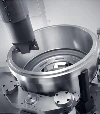
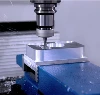
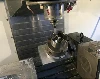
The operation process of flat grinding machine tooling is an important machining technology. It uses flat grinding machines to process workpieces with precision, achieving high accuracy and surface finish. This article will detail the operation process of flat grinding machine tooling from aspects such as equipment preparation, workpiece clamping, grinding, and dimensional measurement, leading readers to deeply understand this high-precision machining technology.
Equipment Preparation Before starting the flat grinding process, it is essential to prepare the flat grinding machine. Operators need to check whether all functional components of the machine are working properly to ensure smooth grinding. Additionally, the grinding wheel must be installed and adjusted to meet the processing requirements.
Workpiece Clamping Clamping the workpiece is a crucial step in flat grinding. Operators must select appropriate fixtures based on the shape and size of the workpiece and clamp it strictly according to the clamping process requirements. This ensures that the workpiece does not shift or deform during processing, which could affect the quality of the work.
Grinding Process After equipment preparation and workpiece clamping, the grinding process can begin. In this step, operators need to adjust the grinding wheel's speed, feed rate, and grinding depth according to the process requirements. This ensures that the workpiece is processed accurately and efficiently while maintaining the precision and surface finish of the processed surface.
Dimensional Measurement After the grinding process is complete, the dimensions of the processed workpiece must be measured. Using measuring instruments to accurately measure the dimensions of the workpiece ensures that the processed workpiece meets the design requirements and allows for the evaluation and adjustment of processing accuracy.
The operation process of flat grinding machine tooling is a highly technical and experienced machining process with stringent requirements for operators. Only through strict operation procedures and precise machining techniques can high-precision and high-quality workpieces be guaranteed. For those in this industry, continuous learning and improvement of technical skills are necessary to meet increasingly complex and demanding processing requirements.