Certainly! Here is an informative piece on the basics of mechanical machining in English:
Fundamentals of Mechanical Machining
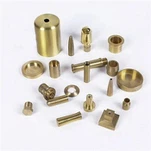
Mechanical machining is the process of shaping and fabricating metal parts by removing material to achieve the desired dimensions and shapes. It is a critical aspect of manufacturing and involves a variety of techniques and machinery. Understanding the fundamentals of mechanical machining is essential for anyone involved in the field of engineering, manufacturing, or maintenance.
Overview of Mechanical Machining Processes
Turning: This is one of the most common machining processes where a lathe is used to rotate the workpiece against a stationary cutting tool. Turning can be used to create cylindrical shapes, taper, and contoured surfaces.
Milling: Milling involves the use of a rotating cutting tool that moves along multiple axes to remove material from the workpiece. This process is capable of producing complex shapes and contours.
Drilling: Drilling is the process of creating holes in a workpiece using a rotating cutting tool. It is essential for creating threaded holes or mounting points for various components.
Boring: Boring is similar to drilling but is used to enlarge an existing hole to achieve a precise diameter and surface finish.
Grinding: This process uses an abrasive wheel to remove small amounts of material and achieve a high level of surface finish and accuracy.
Cutting and Sawing: This involves cutting through materials with a blade or saw, typically used for cutting bars, tubes, or sheets to size.
Essential Tools and Equipment
The tools and equipment used in mechanical machining are as varied as the processes themselves. Some of the most common include:
Lathes: For turning operations, lathes are equipped with a spindle, carriage, and cutting tools to shape the workpiece.
Milling Machines: These machines have a rotating cutter mounted on a movable table and are capable of performing various operations in multiple directions.
Drills and Drill Presses: Drills are used for creating holes, and drill presses are designed to hold the drill steady and apply precise pressure during drilling operations.
Grinding Machines: These machines use an abrasive wheel to grind the workpiece, achieving a high level of finish and accuracy.
Saws: Various types of saws are used for cutting through materials, including hacksaws, bandsaws, and power saws.
Key Considerations in Mechanical Machining
Material Selection: The choice of material for the workpiece is crucial and depends on the intended use of the final product, as well as the machining processes it will undergo.
Tool Selection: The right tool must be selected for the specific operation, taking into account the material of the workpiece, the desired finish, and the machining process.
Cutting Parameters: Parameters such as cutting speed, feed rate, and depth of cut must be carefully controlled to ensure the quality of the machined part and to prevent tool breakage or damage to the workpiece.
Precision and Tolerance: Achieving the required level of precision and adhering to specified tolerances is critical for the functionality and performance of the final product.
Safety: Machining operations can be hazardous, so it is essential to follow safety protocols, use protective equipment, and maintain machinery properly.
Conclusion
A solid grasp of the fundamentals of mechanical machining is crucial for success in the manufacturing industry. By understanding the various machining processes, the tools and equipment involved, and the key considerations for each operation, professionals can ensure the production of high-quality parts and components with precision and efficiency. As technology continues to advance, so too will the methods and machinery used in mechanical machining. Staying informed about these advancements and continuously honing one's skills will ensure that professionals remain at the forefront of their field, capable of meeting the demands of modern manufacturing.
复制再试一次分享