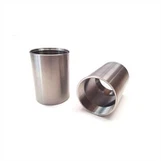
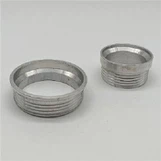
When it comes to maintaining your bicycle, choosing the right lubricant for your seatpost clamp is a crucial yet often overlooked aspect. As a Bicycle Seatpost Clamp [/bicycle-frame-building-parts/seat-collars-seatpost-parts/bicycle-seatpost-clamp.html] supplier, I've encountered numerous cyclists who are unsure about what type of lubricant to use on their seatpost clamps. In this blog, I'll guide you through the different types of lubricants available and help you make an informed decision.
Understanding the Role of Lubrication on Seatpost Clamps
Before delving into the types of lubricants, it's essential to understand why lubrication is necessary for your seatpost clamp. The seatpost clamp is responsible for securely holding the seatpost in place on your bicycle frame. Over time, factors such as dirt, moisture, and friction can cause the clamp to corrode or seize, making it difficult to adjust the seat height or even compromising the safety of your ride.
Lubrication serves several important functions:
- Reduces Friction: A well-lubricated seatpost clamp allows for smooth adjustment of the seat height, preventing excessive wear on the clamp and the seatpost.
- Prevents Corrosion: Lubricants create a protective barrier that shields the metal surfaces from moisture and oxidation, extending the lifespan of the clamp.
- Enhances Grip: By reducing friction, lubrication can also improve the clamping force of the seatpost clamp, ensuring a secure fit.
Types of Lubricants for Bicycle Seatpost Clamps
There are several types of lubricants available on the market, each with its own unique properties and suitability for different applications. Here are some of the most common types of lubricants used for bicycle seatpost clamps:
1. Grease
Grease is a popular choice for lubricating seatpost clamps due to its thick consistency and long-lasting lubricating properties. It adheres well to metal surfaces, providing excellent protection against friction and corrosion. Grease is also resistant to water, making it suitable for use in wet or muddy conditions.
When choosing a grease for your seatpost clamp, look for a high-quality automotive or bicycle-specific grease. Avoid using greases that contain silicone, as these can cause the rubber seals in the clamp to deteriorate over time.
Advantages:
- Long-lasting lubrication
- Excellent protection against corrosion
- Resistant to water
Disadvantages:
- Can attract dirt and debris
- Messy to apply
2. Dry Lubricants
Dry lubricants are a cleaner alternative to grease, as they leave behind a dry, powdery residue that doesn't attract dirt or debris. They are typically made from graphite or Teflon and are ideal for use in dry or dusty conditions.
Dry lubricants work by reducing friction between the metal surfaces, allowing for smooth adjustment of the seat height. They also provide some protection against corrosion, although not as effectively as grease.
Advantages:
- Clean and mess-free
- Doesn't attract dirt or debris
- Suitable for dry or dusty conditions
Disadvantages:
- Shorter lifespan compared to grease
- Less effective in wet conditions
3. Anti-Seize Compounds
Anti-seize compounds are specifically designed to prevent metal-to-metal seizure and corrosion. They are typically made from a combination of metallic particles and lubricants and are commonly used in high-temperature or high-pressure applications.
Anti-seize compounds are particularly useful for seatpost clamps that are exposed to extreme conditions, such as racing bicycles or mountain bikes. They provide excellent protection against corrosion and can help prevent the clamp from seizing up over time.
Advantages:
- Prevents metal-to-metal seizure
- Excellent protection against corrosion
- Suitable for extreme conditions
Disadvantages:
- Can be expensive
- Messy to apply
4. Wax-Based Lubricants
Wax-based lubricants are a popular choice for cyclists who prefer a clean and environmentally friendly lubricant. They are typically made from natural waxes, such as beeswax or carnauba wax, and are free from harmful chemicals.
Wax-based lubricants work by creating a thin, protective layer on the metal surfaces, reducing friction and preventing corrosion. They are also easy to apply and clean, making them a convenient choice for home maintenance.
Advantages:


- Clean and environmentally friendly
- Easy to apply and clean
- Provides some protection against corrosion
Disadvantages:
- Shorter lifespan compared to grease
- Less effective in wet conditions
Factors to Consider When Choosing a Lubricant
When choosing a lubricant for your seatpost clamp, there are several factors to consider:
- Climate and Riding Conditions: If you ride in wet or muddy conditions, a grease or anti-seize compound may be the best choice, as they provide excellent protection against corrosion. If you ride in dry or dusty conditions, a dry lubricant or wax-based lubricant may be more suitable.
- Frequency of Use: If you use your bicycle frequently, you may need to choose a lubricant that provides long-lasting lubrication, such as grease or an anti-seize compound. If you use your bicycle less frequently, a dry lubricant or wax-based lubricant may be sufficient.
- Type of Seatpost Clamp: Different types of seatpost clamps may require different types of lubricants. For example, aluminum seatpost clamps [/bicycle-frame-building-parts/seat-collars-seatpost-parts/aluminum-seat-post-collar.html] may require a lubricant that is specifically formulated for use on aluminum, while titanium seatpost clamps [/bicycle-frame-building-parts/seat-collars-seatpost-parts/titanium-seat-collar.html] may require a lubricant that is compatible with titanium.
How to Apply Lubricant to Your Seatpost Clamp
Applying lubricant to your seatpost clamp is a simple process that can be done at home with a few basic tools. Here's how to do it:
- Clean the Seatpost Clamp: Before applying lubricant, it's important to clean the seatpost clamp thoroughly to remove any dirt, debris, or old lubricant. Use a clean cloth or brush to wipe down the clamp and the seatpost.
- Apply the Lubricant: Depending on the type of lubricant you're using, apply a small amount of lubricant to the inside of the seatpost clamp and the seatpost. Be careful not to apply too much lubricant, as this can attract dirt and debris.
- Spread the Lubricant: Use a clean cloth or brush to spread the lubricant evenly over the surface of the seatpost clamp and the seatpost. Make sure to cover all areas of the clamp, including the threads and the clamping surfaces.
- Reassemble the Seatpost Clamp: Once the lubricant has been applied, reassemble the seatpost clamp and tighten the bolts to the recommended torque specification.
Conclusion
Choosing the right lubricant for your bicycle seatpost clamp is an important part of maintaining your bicycle and ensuring a safe and comfortable ride. By understanding the different types of lubricants available and the factors to consider when choosing a lubricant, you can make an informed decision that will keep your seatpost clamp in good working condition for years to come.
As a Bicycle Seatpost Clamp supplier, we offer a wide range of high-quality seatpost clamps and lubricants to meet your needs. Whether you're a professional cyclist or a casual rider, we have the products and expertise to help you keep your bicycle in top condition.
If you're interested in learning more about our products or have any questions about choosing the right lubricant for your seatpost clamp, please don't hesitate to contact us. We'd be happy to assist you with your purchase and provide you with any additional information you may need.
References
- Park Tool Company. (n.d.). Lubricants and Greases. Retrieved from [https://www.parktool.com/blog/repair-help/lubricants-and-greases]
- Sheldon Brown. (n.d.). Lubrication. Retrieved from [https://www.sheldonbrown.com/lubrication.html]
- Bicycle Tutor. (n.d.). How to Lubricate Your Bicycle. Retrieved from [https://bicycletutor.com/how-to-lubricate-your-bicycle/]