What is the yield strength of titanium head tubes?
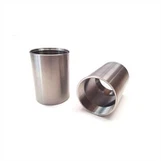
In the intricate world of bicycle frame building, every component plays a crucial role in determining the overall performance, durability, and safety of the bike. One such component that often goes unnoticed but is of utmost importance is the titanium head tube. As a trusted supplier of Titanium Head Tubes, I am frequently asked about the yield strength of these tubes and its significance. In this blog post, I will delve into the concept of yield strength, explain why it matters for titanium head tubes, and provide some insights into the typical yield strength values you can expect.
Understanding Yield Strength
Before we dive into the specifics of titanium head tubes, let's first understand what yield strength means. Yield strength is a fundamental mechanical property of a material that refers to the maximum stress a material can withstand without undergoing permanent deformation. In simpler terms, it is the point at which a material starts to bend or stretch permanently when a force is applied to it. Once a material reaches its yield strength, it will not return to its original shape even after the force is removed.


Yield strength is typically measured in units of pressure, such as megapascals (MPa) or pounds per square inch (psi). The higher the yield strength of a material, the more force it can withstand before it starts to deform. This is an important consideration in engineering and manufacturing, as it helps to ensure that components can withstand the loads and stresses they will be subjected to in their intended applications.
Why Yield Strength Matters for Titanium Head Tubes
In the context of bicycle frame building, the yield strength of a titanium head tube is a critical factor that directly impacts the safety and performance of the bike. The head tube is the part of the frame that holds the fork in place and allows it to steer the bike. It is subjected to a variety of forces and stresses during normal riding, including the weight of the rider, the impact of bumps and potholes, and the forces generated during braking and cornering.
If the yield strength of the head tube is too low, it may deform or fail under these loads, which can lead to serious safety issues. For example, if the head tube bends or collapses, it can cause the fork to become misaligned, making the bike difficult or impossible to steer. This can increase the risk of accidents and injuries, especially at high speeds or in challenging riding conditions.
On the other hand, if the yield strength of the head tube is too high, it may make the frame too stiff and heavy, which can negatively impact the bike's performance and ride quality. A stiff frame can absorb less shock and vibration, making the ride less comfortable and more fatiguing for the rider. It can also make the bike less responsive and agile, which can be a disadvantage in races or other competitive situations.
Therefore, it is important to choose a titanium head tube with the right yield strength for the intended application. This requires a careful balance between strength, weight, and stiffness, as well as an understanding of the specific requirements and preferences of the rider.
Typical Yield Strength Values for Titanium Head Tubes
The yield strength of titanium head tubes can vary depending on a number of factors, including the grade of titanium used, the manufacturing process, and the specific design and dimensions of the tube. However, in general, titanium head tubes typically have a yield strength in the range of 700 to 1000 MPa (101,526 to 145,038 psi).
The most common grade of titanium used in bicycle frame building is Ti-3Al-2.5V, which is a lightweight and high-strength alloy that offers excellent corrosion resistance and fatigue properties. This grade of titanium typically has a yield strength of around 800 MPa (116,031 psi), which makes it a popular choice for head tubes and other critical frame components.
However, there are also other grades of titanium available that offer higher or lower yield strengths, depending on the specific requirements of the application. For example, Ti-6Al-4V is a stronger and more durable alloy that has a yield strength of around 900 MPa (130,535 psi). This grade of titanium is often used in high-performance bicycles and racing frames, where maximum strength and stiffness are required.
In addition to the grade of titanium, the manufacturing process can also have a significant impact on the yield strength of the head tube. For example, tubes that are cold-drawn or heat-treated may have a higher yield strength than tubes that are simply extruded or welded. This is because these processes can help to improve the grain structure and mechanical properties of the titanium, making it stronger and more resistant to deformation.
Factors Affecting the Yield Strength of Titanium Head Tubes
As mentioned earlier, the yield strength of a titanium head tube can be affected by a number of factors. In addition to the grade of titanium and the manufacturing process, some of the other factors that can influence the yield strength of a head tube include:
- Wall thickness: The thicker the wall of the head tube, the higher its yield strength will be. This is because a thicker wall provides more material to resist the forces and stresses applied to the tube.
- Diameter: The diameter of the head tube can also affect its yield strength. Generally, larger diameter tubes have a higher yield strength than smaller diameter tubes, as they have more surface area to distribute the forces and stresses.
- Heat treatment: Heat treatment is a process that involves heating and cooling the titanium to improve its mechanical properties. Different heat treatment processes can have different effects on the yield strength of the head tube, depending on the specific parameters used.
- Alloy composition: The composition of the titanium alloy can also affect its yield strength. Different alloys have different chemical compositions and microstructures, which can result in different mechanical properties.
Choosing the Right Titanium Head Tube for Your Bike
When choosing a titanium head tube for your bike, it is important to consider a number of factors, including the intended use of the bike, your riding style, and your budget. Here are some tips to help you choose the right head tube for your needs:
- Consider the yield strength: As discussed earlier, the yield strength of the head tube is an important factor that directly impacts the safety and performance of the bike. Make sure to choose a head tube with a yield strength that is appropriate for the intended use of the bike.
- Look for quality construction: In addition to the yield strength, it is also important to look for a head tube that is well-constructed and made from high-quality materials. This will help to ensure that the tube is strong, durable, and reliable.
- Consider the dimensions: The dimensions of the head tube, including the diameter and wall thickness, can also affect its performance and compatibility with other components. Make sure to choose a head tube that is the right size and shape for your bike.
- Choose a reputable supplier: Finally, it is important to choose a reputable supplier that has a proven track record of providing high-quality titanium head tubes. Look for a supplier that offers a wide range of products, has good customer reviews, and provides excellent customer service.
Conclusion
In conclusion, the yield strength of a titanium head tube is a critical factor that directly impacts the safety and performance of a bicycle. By understanding the concept of yield strength and its importance in bicycle frame building, you can make an informed decision when choosing a head tube for your bike. Remember to consider the intended use of the bike, your riding style, and your budget, and choose a head tube that is made from high-quality materials and has the right yield strength for your needs.
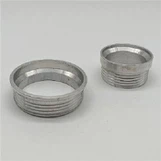
If you are interested in purchasing titanium head tubes or other bicycle frame building parts, such as Bottom Bracket Shell or Titanium Headset Spacer, please feel free to contact us. We are a leading supplier of high-quality titanium components for the bicycle industry, and we would be happy to help you find the right products for your needs.
References
- Callister, W. D., & Rethwisch, D. G. (2011). Materials Science and Engineering: An Introduction. Wiley.
- Ashby, M. F., & Jones, D. R. H. (2005). Engineering Materials 1: An Introduction to Properties, Applications, and Design. Butterworth-Heinemann.
- Gordon, J. E. (1978). Structures or Why Things Don't Fall Down. Da Capo Press.