What is the noise level associated with a BB30 Press Fit Shell?
As a supplier of BB30 Press Fit Shells, I've encountered numerous inquiries regarding the noise levels associated with these components. In this blog post, I'll delve into the factors that contribute to noise in BB30 Press Fit Shells, how to measure and mitigate it, and why understanding this is crucial for cyclists and bicycle manufacturers alike.
Understanding the BB30 Press Fit Shell
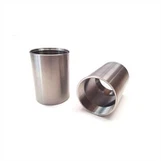
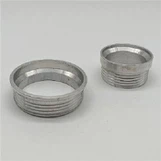
Before we discuss noise levels, let's briefly review what a BB30 Press Fit Shell is. The BB30 Press Fit Shell is a bottom bracket standard used in modern bicycle frames. It features a larger diameter shell (30mm) compared to traditional bottom brackets, which allows for larger bearings and a stiffer interface between the crankset and the frame. This design offers several advantages, including improved power transfer and reduced weight. You can find more information about our BB30 Press Fit Shell on our website.
Factors Contributing to Noise
Several factors can contribute to noise in a BB30 Press Fit Shell. One of the most common causes is improper installation. If the shell is not pressed into the frame correctly, it can lead to a loose fit between the shell and the frame, resulting in rattling or creaking noises. This can be exacerbated by the use of low - quality tools or inexperienced installers.
Another factor is the quality of the materials used. Low - grade shells may have inconsistent wall thickness or surface finish, which can cause uneven pressure distribution and noise. Additionally, the type of bearings used in the bottom bracket can also affect noise levels. Bearings that are not properly lubricated or are of poor quality may produce grinding or clicking sounds.


Environmental factors can also play a role. Riding in wet or muddy conditions can introduce dirt and debris into the bottom bracket area, which can cause abrasion and noise over time. Vibration from rough terrain can also loosen components and lead to increased noise levels.
Measuring Noise Levels
Measuring the noise level associated with a BB30 Press Fit Shell can be a challenging task. One common method is to use a sound level meter. This device measures the intensity of sound in decibels (dB). However, this method has limitations, as it can be difficult to isolate the noise specifically coming from the bottom bracket.
A more practical approach is to rely on the rider's perception. Experienced cyclists can often detect even subtle changes in noise levels during a ride. They can pay attention to the type of noise (rattling, creaking, grinding, etc.) and when it occurs (during pedaling, coasting, or when going over bumps).
Mitigating Noise
To mitigate noise in a BB30 Press Fit Shell, proper installation is key. It is essential to use high - quality tools and follow the manufacturer's installation instructions carefully. This may include using a press that is specifically designed for BB30 shells and ensuring that the shell is centered and pressed in evenly.
Using high - quality materials is also crucial. Our Titanium Head Tubes and Titainium Gr9 Seamless Tubing are made from premium materials that offer consistent quality and performance. These materials can help reduce the likelihood of noise due to their superior strength and durability.
Regular maintenance is another important aspect. Keeping the bottom bracket clean and well - lubricated can prevent dirt and debris from causing abrasion and noise. It is recommended to clean the bottom bracket area after every few rides, especially if riding in wet or muddy conditions.
Importance of Noise Reduction
Noise in a BB30 Press Fit Shell is not just an annoyance; it can also be an indicator of potential problems. Excessive noise may suggest that the bottom bracket is loose or that the bearings are wearing out. Ignoring these issues can lead to more significant problems down the line, such as damage to the frame or crankset.
For cyclists, a quiet bottom bracket enhances the riding experience. It allows them to focus on the road and enjoy a smooth, efficient ride. For bicycle manufacturers, reducing noise levels can improve the overall quality and reputation of their products.
Conclusion
In conclusion, the noise level associated with a BB30 Press Fit Shell is influenced by a variety of factors, including installation, material quality, and environmental conditions. By understanding these factors and taking appropriate measures to mitigate noise, cyclists and bicycle manufacturers can ensure a quiet and reliable riding experience.
If you are interested in learning more about our BB30 Press Fit Shells or have any questions regarding noise reduction, please feel free to contact us. We are always happy to assist you with your procurement needs and provide you with the best solutions for your bicycle building projects.
References
- "Bicycle Bottom Bracket Standards and Technology" - Cycling Industry Press
- "Materials Science for Bicycle Components" - Journal of Cycling Engineering