What is the lifespan of a bicycle seatpost clamp?
As a supplier of Bicycle Seatpost Clamp, I often get asked about the lifespan of these crucial components. A bicycle seatpost clamp might seem like a small part, but it plays a significant role in ensuring a safe and comfortable ride. In this blog, we'll explore the factors that influence the lifespan of a bicycle seatpost clamp and how you can maximize its longevity.
Understanding the Bicycle Seatpost Clamp
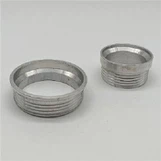
Before delving into its lifespan, let's first understand what a bicycle seatpost clamp is and what it does. The seatpost clamp is a device that secures the seatpost to the bicycle frame. It allows you to adjust the height of your seat for optimal riding position and then locks it in place. There are different types of seatpost clamps available in the market, including Titanium Seat Collar and Aluminum Seat Post Collar, each with its own set of characteristics.
Factors Affecting the Lifespan
-
Material Quality
The material of the seatpost clamp is one of the most significant factors influencing its lifespan. High - quality materials such as titanium and aluminum are known for their durability. Titanium is lightweight, corrosion - resistant, and has excellent strength - to - weight ratio. An Titanium Seat Collar can last for many years, even under heavy use. Aluminum, on the other hand, is also lightweight and relatively corrosion - resistant. An Aluminum Seat Post Collar is a popular choice due to its affordability and good performance. In contrast, seatpost clamps made from low - quality metals or plastics may wear out quickly, especially if exposed to harsh conditions. -
Frequency of Use
How often you use your bicycle directly impacts the lifespan of the seatpost clamp. If you're an avid cyclist who rides daily, the clamp will experience more wear and tear compared to someone who rides occasionally. The constant tightening and loosening of the clamp to adjust the seat height, along with the vibrations and forces exerted during riding, can gradually cause the clamp to degrade over time. -
Riding Conditions
The environment in which you ride your bicycle also plays a crucial role. Riding in wet or muddy conditions exposes the seatpost clamp to moisture and dirt, which can lead to corrosion and rust. Saltwater environments are particularly harsh, as salt accelerates the corrosion process. Additionally, rough terrain with lots of bumps and shocks can put extra stress on the clamp, potentially causing it to loosen or break. -
Maintenance
Proper maintenance can significantly extend the lifespan of a bicycle seatpost clamp. Regular cleaning to remove dirt and debris, lubrication of the moving parts, and checking for any signs of wear or damage are essential. If you notice any issues such as a loose bolt or a crack in the clamp, it's important to address them promptly to prevent further damage.
Average Lifespan Estimates
It's difficult to provide an exact lifespan for a bicycle seatpost clamp, as it depends on the factors mentioned above. However, on average, a high - quality seatpost clamp made from titanium or aluminum can last anywhere from 5 to 10 years with regular use and proper maintenance. For occasional riders, the lifespan could be even longer. In contrast, a low - quality clamp may need to be replaced within 1 to 2 years.
Maximizing the Lifespan
- Choose the Right Material
Invest in a high - quality seatpost clamp made from durable materials such as titanium or aluminum. These materials offer better resistance to corrosion and wear, ensuring a longer lifespan. - Proper Installation
Make sure the seatpost clamp is installed correctly. An improperly installed clamp can cause uneven stress, leading to premature wear. Follow the manufacturer's instructions carefully during installation. - Regular Maintenance
As mentioned earlier, regular maintenance is key. Clean the clamp after each ride, especially if you've been riding in dirty or wet conditions. Lubricate the bolt and the moving parts to ensure smooth operation. Check the tightness of the bolt periodically to prevent the seat from loosening. - Store Properly
When not in use, store your bicycle in a dry and clean place. If possible, keep it indoors to protect it from the elements. This will help prevent corrosion and damage to the seatpost clamp.
When to Replace
There are several signs that indicate it's time to replace your bicycle seatpost clamp. If you notice that the seat is constantly slipping, even after tightening the bolt, it could be a sign that the clamp is worn out. Cracks or visible damage to the clamp are also clear indicators that it needs to be replaced. Additionally, if the clamp is difficult to tighten or loosen, it may be due to internal damage.
In conclusion, the lifespan of a bicycle seatpost clamp varies depending on multiple factors, but with the right choice of material, proper installation, regular maintenance, and appropriate riding and storage conditions, you can ensure that your seatpost clamp serves you well for many years.
As a supplier of high - quality Bicycle Seatpost Clamp, we offer a wide range of options to meet your needs. Whether you're looking for a lightweight Titanium Seat Collar or an affordable Aluminum Seat Post Collar, we have the perfect solution for you. If you're interested in purchasing our products or have any questions, please don't hesitate to contact us for procurement discussions.


References
- Bicycle Component Manufacturing Handbook
- Cycling Maintenance Guidebooks