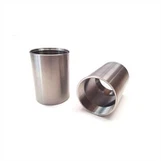
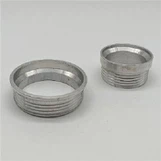
As a supplier of Titanium Dropouts, I am often asked about the chemical composition of these crucial bicycle frame components. Understanding the chemical makeup of titanium dropouts is essential for cyclists, frame builders, and enthusiasts alike, as it directly impacts the performance, durability, and quality of the final product. In this blog post, I will delve into the chemical composition of titanium dropouts, explore its significance, and highlight why it makes them a superior choice for bicycle frames.
The Basics of Titanium
Titanium is a chemical element with the symbol Ti and atomic number 22. It is a transition metal known for its high strength-to-weight ratio, corrosion resistance, and biocompatibility. These properties make titanium an ideal material for a wide range of applications, including aerospace, medical devices, and, of course, bicycle frames.
Chemical Composition of Titanium Dropouts
Titanium dropouts are typically made from titanium alloys, which are mixtures of titanium with other elements to enhance specific properties. The most common titanium alloy used in bicycle components, including dropouts, is Ti-6Al-4V, also known as Grade 5 titanium. This alloy consists of approximately 90% titanium, 6% aluminum, and 4% vanadium, with trace amounts of other elements.
- Titanium (Ti): As the primary component, titanium provides the base strength and corrosion resistance of the alloy. Its high strength-to-weight ratio makes it possible to create lightweight yet durable dropouts that can withstand the rigors of cycling.
- Aluminum (Al): Aluminum is added to the alloy to improve its strength and stiffness. It also helps to reduce the density of the alloy, making it lighter without sacrificing performance.
- Vanadium (V): Vanadium enhances the hardenability and strength of the alloy, particularly at high temperatures. It also improves the alloy's resistance to fatigue and creep, ensuring long-term reliability.
Significance of the Chemical Composition
The specific chemical composition of Ti-6Al-4V plays a crucial role in the performance and properties of titanium dropouts. Here are some of the key benefits:
- High Strength: The combination of titanium, aluminum, and vanadium results in an alloy with exceptional strength. Titanium dropouts can withstand high loads and stresses without deforming or breaking, making them suitable for a variety of cycling applications, from road racing to mountain biking.
- Lightweight: Titanium is one of the lightest metals, and the addition of aluminum further reduces the density of the alloy. This makes titanium dropouts significantly lighter than their steel or aluminum counterparts, contributing to a lighter overall bicycle weight and improved handling.
- Corrosion Resistance: Titanium is highly resistant to corrosion, even in harsh environments. The addition of aluminum and vanadium further enhances the alloy's corrosion resistance, ensuring that titanium dropouts remain in good condition over time, even when exposed to moisture, salt, and other corrosive substances.
- Fatigue Resistance: Cycling involves repeated loading and unloading of the bicycle frame, which can lead to fatigue and failure over time. Titanium dropouts have excellent fatigue resistance, allowing them to withstand millions of cycles without cracking or breaking.
- Biocompatibility: Titanium is biocompatible, meaning it is non-toxic and does not cause allergic reactions in the human body. This makes titanium dropouts a safe and healthy choice for cyclists.
Comparison with Other Materials
When compared to other materials commonly used for bicycle dropouts, such as steel and aluminum, titanium offers several distinct advantages.
- Steel Dropouts: Steel is a strong and durable material, but it is also heavy. Steel dropouts can add significant weight to the bicycle, which can affect performance and handling. Additionally, steel is prone to corrosion, especially in wet or salty environments, which can reduce the lifespan of the dropouts.
- Aluminum Dropouts: Aluminum is a lightweight material, but it is not as strong as titanium. Aluminum dropouts may be more prone to bending or breaking under high loads, especially in extreme cycling conditions. Aluminum is also less resistant to corrosion than titanium, which can lead to premature failure.
Applications of Titanium Dropouts
Titanium dropouts are used in a variety of bicycle frames, including road bikes, mountain bikes, and touring bikes. They are particularly popular among cyclists who value performance, durability, and lightweight design. Here are some of the specific applications:
- Road Bikes: Titanium dropouts are ideal for road bikes, where weight and performance are critical. Their lightweight design helps to reduce the overall weight of the bicycle, making it easier to accelerate and climb hills. The high strength and stiffness of titanium dropouts also provide precise handling and responsiveness, allowing cyclists to maintain control at high speeds.
- Mountain Bikes: Mountain bikes require dropouts that can withstand the rough terrain and high impacts of off-road riding. Titanium dropouts are strong enough to handle the stresses of mountain biking, while their corrosion resistance ensures they can withstand exposure to mud, water, and other elements.
- Touring Bikes: Touring bikes are designed for long-distance riding, often in challenging conditions. Titanium dropouts provide the durability and reliability needed for extended trips, while their lightweight design helps to reduce fatigue and make the ride more comfortable.
Conclusion
In conclusion, the chemical composition of titanium dropouts, specifically the Ti-6Al-4V alloy, plays a crucial role in their performance, durability, and quality. The combination of titanium, aluminum, and vanadium results in an alloy with exceptional strength, lightweight design, corrosion resistance, and fatigue resistance. These properties make titanium dropouts a superior choice for bicycle frames, offering cyclists a high-performance and reliable solution for their cycling needs.
If you are interested in learning more about our Titanium Dropouts or Titanium Slider Dropout, or if you have any questions about our products, please do not hesitate to contact us. We are happy to discuss your specific requirements and provide you with the information you need to make an informed decision. Whether you are a frame builder, a cyclist, or an enthusiast, we look forward to working with you to create the perfect bicycle frame.


References
- "Titanium Alloys." ASM Handbook, Volume 2: Properties and Selection: Nonferrous Alloys and Special-Purpose Materials. ASM International, 2001.
- "Bicycle Frame Materials." Bicycle Design and Technology. MIT Press, 2004.
- "The Science of Titanium." Titanium.org. Accessed [Date].