Hey there, cycling enthusiasts and industry folks! I'm a supplier of Other Parts, and I've been in this game for quite a while. Today, I wanna chat about the safety precautions when handling other parts. Whether you're a professional bike builder or a DIY enthusiast, these tips are gonna come in handy.
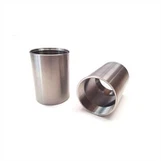
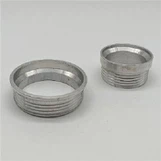
First off, let's talk about what we mean by "other parts." This can include a wide range of components, from small nuts and bolts to more complex pieces like Titanium Fasteners and Other Titanium Bicycle Frame Parts. These parts are crucial for the overall performance and safety of a bicycle, so it's super important to handle them with care.
Personal Protective Equipment (PPE)
The first thing you gotta do is gear up with the right PPE. It might seem like a hassle, but trust me, it's worth it. Safety glasses are a must. When you're handling small parts, there's always a risk of something flying into your eyes. A tiny metal shard or a bolt can cause serious damage, so don't skimp on the eye protection.
Gloves are also essential. Depending on the parts you're working with, you might need different types of gloves. For general handling, a pair of nitrile gloves can protect your hands from dirt, grease, and minor cuts. If you're dealing with sharp edges or heavy parts, go for a more heavy-duty glove with good grip.
And if you're working in a noisy environment, ear protection is a good idea. Some tools used for handling parts can make a lot of noise, and prolonged exposure can lead to hearing damage.
Handling Small Parts
Small parts like screws, nuts, and washers might seem insignificant, but they can be a real pain if not handled properly. One of the biggest issues is keeping them organized. It's so easy for these little guys to get lost or mixed up. I recommend using small containers or trays to keep each type of part separate. You can label them too, so you know exactly what's what.
When picking up small parts, use tweezers or a small magnet. This can help you avoid dropping them and make the whole process a lot easier. And if you're working on a surface, make sure it's clean and flat. A cluttered or uneven surface can cause parts to roll away or get lost.
Dealing with Heavy Parts
Heavy parts, like some of the larger Other Titanium Bicycle Frame Parts, require a different approach. First of all, make sure you have the right equipment to lift and move them. A hoist or a lifting strap can be very helpful, especially if you're working alone.
Before you lift a heavy part, assess its weight and balance. Bend your knees and keep your back straight when lifting. This will help prevent back injuries. And if the part is too heavy or awkward to handle on your own, don't be afraid to ask for help. There's no shame in getting an extra pair of hands.
Chemicals and Lubricants
Many parts require the use of chemicals and lubricants. These can be dangerous if not handled correctly. When using chemicals, always read the label carefully. It'll tell you about any safety precautions you need to take, like wearing protective clothing or using the product in a well-ventilated area.
Some chemicals can be flammable, so keep them away from open flames and heat sources. And when you're done using them, store them properly. Don't leave them out in the open where they can be knocked over or spilled.
Lubricants are also important for the smooth operation of parts, but they can be slippery. Make sure you clean up any spills right away to avoid slipping and falling.
Tool Safety
The tools you use to handle parts are just as important as the parts themselves. Always use the right tool for the job. Using the wrong tool can not only damage the part but also put you at risk of injury. For example, using a screwdriver that's too small for a screw can strip the head and cause the screwdriver to slip, potentially hurting your hand.


Keep your tools in good condition. Sharpen blades when they get dull, and replace any worn-out parts. And when you're not using them, store them in a safe place. A toolbox or a wall-mounted rack can help keep your tools organized and prevent them from getting lost or damaged.
Storage and Organization
Proper storage and organization of parts are key to safety. When parts are stored haphazardly, it can be easy to trip over them or knock them off shelves. Make sure you have a dedicated storage area for your parts. Shelves, cabinets, and drawers are all great options.
Label your storage areas clearly. This will make it easier to find what you need and also help you keep track of your inventory. And if you have any parts that are no longer needed, get rid of them. Clutter can be a safety hazard, so keep your storage area clean and organized.
Training and Education
If you're new to handling other parts, it's a good idea to get some training. There are plenty of resources available online, like videos and tutorials, that can teach you the proper techniques. You can also take a course at a local vocational school or community college.
And even if you're an experienced pro, it's always a good idea to stay up-to-date on the latest safety practices. The cycling industry is constantly evolving, and new parts and techniques are being developed all the time. By staying informed, you can ensure that you're handling parts safely and effectively.
Quality Control
As a supplier, I know how important quality control is. Before you use any part, inspect it carefully for any signs of damage or defects. A cracked bolt or a bent part can compromise the safety of the entire bicycle. If you find any issues, don't use the part. Instead, contact the supplier and get a replacement.
And when you're assembling parts, make sure everything is tightened and secured properly. Loose parts can come off during use, which can be extremely dangerous. Use a torque wrench to ensure that you're tightening bolts to the correct specifications.
Conclusion
Handling other parts safely is crucial for anyone involved in the cycling industry. By following these safety precautions, you can protect yourself from injuries and ensure that the parts you're working with are in good condition. Remember, safety should always be your top priority.
If you're in the market for high-quality Titanium Fasteners or Other Titanium Bicycle Frame Parts, I'd love to chat with you. Whether you're a small bike shop or a large manufacturer, I can provide you with the parts you need at competitive prices. Just reach out, and we can start a conversation about your specific requirements.
References
- Various safety guidelines from the cycling industry
- Personal experience as an Other Parts supplier