Hey there! I'm a supplier in the titanium machining business, and today I wanna chat about the requirements for workholding devices in titanium machining. Titanium is a super cool material with some awesome properties, but it also brings its own set of challenges when it comes to machining. And that's where a good workholding device steps in.
First off, let's talk about why titanium is such a unique material. Titanium has high strength - to - weight ratio, excellent corrosion resistance, and good heat resistance. Sounds great, right? Well, these properties also make it a bit of a pain to machine. It's a hard material, and during the machining process, it generates a lot of heat. This heat can cause all sorts of problems, like tool wear and distortion of the workpiece. So, our workholding device has to be up to the task of dealing with these issues.
One of the key requirements for a workholding device in titanium machining is high clamping force. Titanium is tough, and we need to make sure that the workpiece stays firmly in place during the machining operation. If the workpiece moves even a little bit, it can lead to inaccurate cuts, poor surface finish, and even damage to the tools. A workholding device with high clamping force can prevent these problems. For example, hydraulic or pneumatic vises are great options as they can provide a strong and consistent clamping force.
Another important aspect is heat resistance. As I mentioned earlier, titanium machining generates a lot of heat. The workholding device needs to be able to withstand this heat without deforming or losing its clamping ability. Materials like high - grade steel or heat - treated alloys are commonly used in workholding devices for titanium machining. These materials can handle the high temperatures generated during the process and maintain their structural integrity.
Accuracy is also crucial. In titanium machining, we often need to achieve very tight tolerances. The workholding device should be able to position the workpiece accurately and hold it there throughout the machining process. Precision - ground jaws or fixtures can help in achieving this accuracy. They ensure that the workpiece is held in the correct orientation, allowing for precise cuts and consistent results.
Now, let's think about the surface finish. Titanium parts often require a high - quality surface finish. The workholding device should not damage the surface of the workpiece. Soft - jaw inserts can be used to protect the titanium surface from scratches or marks. These inserts are made of materials like aluminum or brass, which are softer than titanium and won't cause damage during clamping.
Flexibility is another requirement. In the titanium machining industry, we deal with a wide variety of part shapes and sizes. A good workholding device should be adaptable to different workpiece geometries. Modular workholding systems are a great solution here. They allow us to easily reconfigure the device to accommodate different parts, saving time and increasing efficiency.


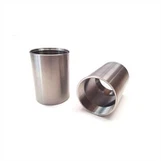
When it comes to the specific types of titanium machining, let's take a look at CNC milling and turning. For Titanium CNC Milling Parts, the workholding device needs to hold the workpiece securely in multiple axes. This is because milling involves cutting the workpiece from different directions. A vise with multiple clamping points or a fixture that can be adjusted in different planes can be very useful.
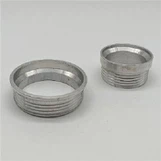
On the other hand, for Titanium CNC Turning Parts, the workholding device should be able to hold the workpiece firmly while it rotates. Chucks are commonly used in turning operations. They can provide a strong grip on the workpiece and ensure that it rotates smoothly without any wobbling.
In addition to these technical requirements, ease of use is also important. We don't want to spend a lot of time setting up the workholding device. A device that is easy to install, adjust, and remove can significantly increase the productivity of our machining operations. For example, quick - change systems can allow us to swap out workpieces or fixtures in a matter of minutes.
Maintenance is another factor to consider. The workholding device should be easy to maintain. Regular cleaning and lubrication can help extend its lifespan and keep it in good working condition. It's also important to have access to replacement parts in case of any damage.
Now, I know all this might seem a bit technical, but it's all about getting the best results in titanium machining. As a supplier, I've seen firsthand how the right workholding device can make a huge difference in the quality and efficiency of the machining process.
If you're in the market for titanium machining services or looking for advice on workholding devices, don't hesitate to reach out. We're here to help you get the most out of your titanium machining projects. Whether you need parts with tight tolerances, high - quality surface finishes, or just want to improve your machining efficiency, we've got the expertise and the right equipment to meet your needs.
Let's work together to turn your titanium machining ideas into reality. Contact us today to start the conversation about your project.
References:
- "Machining of Titanium and Its Alloys" - A technical guide on the machining processes of titanium and related considerations.
- "Workholding Technology Handbook" - A comprehensive resource on workholding devices and their applications in various machining operations.