Hey there, fellow cycling enthusiasts! As a supplier of stem parts, I've spent a ton of time diving deep into the world of these crucial components. Today, I'm super stoked to chat about the functions of transfer cells in stem parts.
First off, let's get a basic understanding of what transfer cells are. In the context of bike stem parts, transfer cells play a vital role in ensuring smooth and efficient performance. These cells are designed to transfer various forces and loads effectively throughout the stem.
One of the primary functions of transfer cells in stem parts is to handle the transfer of torque. When you're pedaling hard, turning the handlebars, or applying brakes, there are significant amounts of torque being generated. Transfer cells help distribute this torque evenly across the stem, preventing any single point from bearing too much stress. This not only enhances the overall durability of the stem but also improves the bike's handling. For example, if you're hitting a sharp turn on a mountain bike, the transfer cells ensure that the force is transferred smoothly from the handlebars to the fork, allowing for precise steering.
Another important function is the transfer of shock and vibration. Riding on rough terrain can subject the bike to a lot of shocks and vibrations. Transfer cells act as a buffer, absorbing and dissipating these forces. They prevent these shocks from directly reaching the rider, making the ride more comfortable. Imagine riding over a bumpy trail without proper transfer cells in the stem. The jolts would be transferred straight to your hands, making it difficult to maintain control and causing discomfort. With well - designed transfer cells, the stem can handle these shocks, providing a smoother and more enjoyable ride.
Transfer cells also contribute to the structural integrity of the stem. They help in maintaining the shape and stability of the stem under different loads. Whether you're a casual rider cruising around the neighborhood or a professional cyclist racing at high speeds, the stem needs to stay rigid and intact. The transfer cells ensure that the stem doesn't deform or break, even when subjected to extreme forces. This is especially important in high - performance bikes where precision and reliability are key.
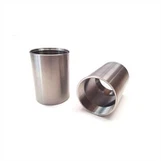
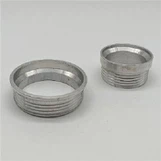
Now, let's talk about the materials used in stem parts and how it relates to transfer cells. We offer a variety of stem parts, and two popular options are found in our product range. Check out our Bike Stem Riser Bike Fork Stem Extender Bicycle Handlebar Raiser Head Up Adapter Suitable For Mountain Bike, Road Bike, MTB, BMX, Fixie (Aluminium Alloy, Adjustable). Aluminium alloy is a great choice for stem parts as it combines lightweight properties with good strength. The transfer cells in these aluminium alloy stems are engineered to work optimally with the material, ensuring efficient force transfer.
For those looking for a more high - end option, our Titanium Stem Parts are a fantastic pick. Titanium is known for its excellent strength - to - weight ratio and corrosion resistance. The transfer cells in titanium stems are designed to take full advantage of these properties, providing even better performance. They can handle higher loads while keeping the weight of the stem down, which is a huge plus for cyclists who are always looking for that extra edge.
In addition to the mechanical functions, transfer cells can also have an impact on the aerodynamics of the bike. A well - designed stem with efficient transfer cells can help streamline the flow of air around the bike. This is particularly important in road cycling and racing, where even the slightest improvement in aerodynamics can make a big difference in speed and performance. The transfer cells can help shape the stem in a way that reduces drag, allowing the cyclist to cut through the air more effectively.
When it comes to maintenance, understanding the role of transfer cells can also be beneficial. If you know how the transfer cells work, you can better care for your stem parts. For example, you'll be more aware of the importance of keeping the stem clean and lubricated to ensure that the transfer cells can function properly. Regular inspections can also help you identify any potential issues with the transfer cells early on, preventing more significant problems down the road.
As a stem parts supplier, I'm always excited to share my knowledge with cyclists. Whether you're a beginner just getting into the sport or a seasoned pro, having a good understanding of the functions of transfer cells in stem parts can enhance your cycling experience. If you're in the market for high - quality stem parts, I'd love to have a chat with you. I can answer any questions you might have about our products and help you find the perfect stem parts for your bike. Just reach out for a friendly chat and we can start discussing your specific needs. Let's work together to make your bike perform at its best!


References
"Cycling Engineering Handbook" - A comprehensive guide on bike components and their functions.
"Advanced Materials in Bicycle Design" - Research on the use of different materials in bike parts and their impact on performance.