

When it comes to installing other parts in a car engine, there are numerous best practices that every mechanic and car enthusiast should be aware of. As a trusted supplier of Other Parts, I've witnessed firsthand the importance of proper installation in ensuring the optimal performance and longevity of a car engine. In this blog post, I'll share some of the best practices for installing other parts in a car engine, drawing on my years of experience in the industry.
Pre - installation Preparations
Before diving into the installation process, it's crucial to make thorough preparations. First and foremost, gather all the necessary tools. A well - equipped toolbox is essential for a smooth installation. Tools such as wrenches, sockets, screwdrivers, and pliers of various sizes should be readily available. Additionally, having a torque wrench is non - negotiable. This tool allows you to tighten bolts to the manufacturer's specified torque, preventing over - tightening or under - tightening, which can lead to serious engine problems.
Inspect the parts carefully before installation. Check for any signs of damage, such as cracks, dents, or scratches. Even a small defect can compromise the functionality of the part and, ultimately, the engine. If you find any damaged parts, it's best to replace them immediately. As a supplier, we ensure that all our Other Parts meet the highest quality standards, but it's still a good practice to double - check.

Clean the engine compartment and the areas where the new parts will be installed. Remove any dirt, debris, or old gasket material. A clean surface ensures a proper seal and reduces the risk of contamination. Use a degreaser and a clean cloth to wipe down the surfaces.
Installing Fasteners
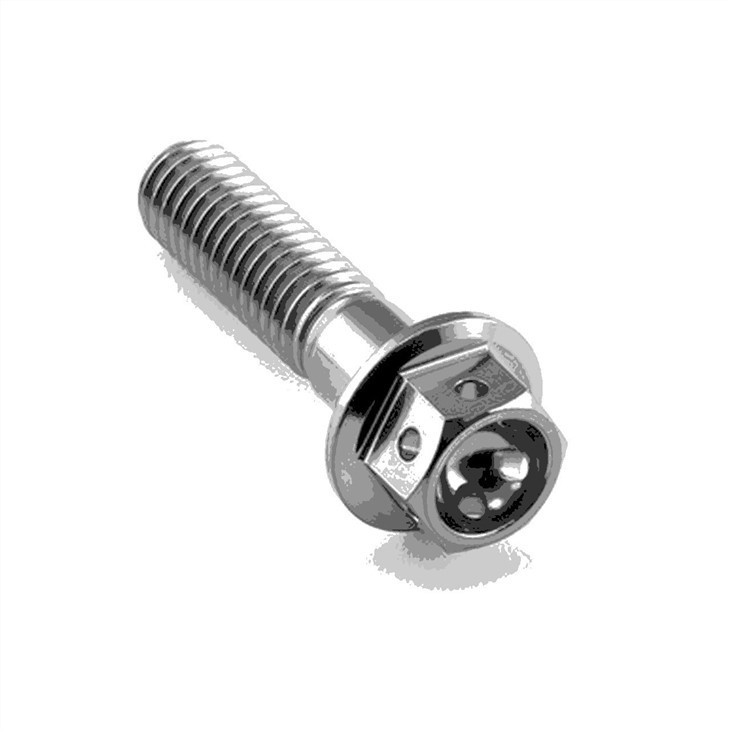
Fasteners play a vital role in holding the engine components together. One of the best practices when installing fasteners is to use high - quality ones. Titanium Fasteners are an excellent choice due to their strength, corrosion resistance, and lightweight properties.
When installing fasteners, start by applying a small amount of anti - seize compound to the threads. This compound helps prevent the fasteners from seizing and makes future removal easier. However, be careful not to over - apply the compound, as it can affect the torque readings.
Tighten the fasteners in a specific sequence. For most engine components, there is a recommended tightening pattern provided by the manufacturer. This pattern ensures even distribution of force and proper alignment of the parts. Follow the pattern carefully and use a torque wrench to achieve the correct torque. For example, when installing cylinder head bolts, the torque sequence is critical to prevent warping of the cylinder head.
Gasket Installation
Gaskets are used to create a seal between two engine components, preventing leaks of fluids and gases. When installing gaskets, make sure the mating surfaces are clean and flat. Any irregularities on the surfaces can cause the gasket to fail.
Apply a thin layer of gasket sealer to both sides of the gasket, if recommended by the manufacturer. However, not all gaskets require sealer, so it's important to read the instructions carefully. Some modern gaskets are designed to be used without sealer and can provide a reliable seal on their own.
Carefully position the gasket on the mating surface, ensuring it is centered and aligned correctly. Avoid stretching or twisting the gasket during installation, as this can damage it and compromise the seal. Once the gasket is in place, install the other component gently, being careful not to dislodge the gasket.
Electrical Component Installation
Electrical components are an integral part of a car engine, controlling functions such as ignition, fuel injection, and engine management. When installing electrical components, start by disconnecting the battery to prevent electrical shocks and short circuits.
Check the wiring harness for any damage or loose connections. Replace any damaged wires and secure all connections properly. Use dielectric grease on electrical connectors to prevent corrosion and ensure a good electrical connection.
Follow the wiring diagrams provided by the manufacturer to ensure correct installation. Incorrect wiring can lead to malfunctions or even damage to the electrical components. When routing the wiring, make sure it is away from hot engine parts and moving components to prevent abrasion.
Coolant System Components
The coolant system is responsible for regulating the engine temperature. When installing coolant system components such as the radiator, water pump, or thermostat, ensure that all connections are tight and leak - free.
Flush the coolant system before installing new components. This helps remove any contaminants or old coolant that could cause problems. Use a coolant flush solution and follow the manufacturer's instructions for the flushing process.
Fill the coolant system with the appropriate type and amount of coolant. Different engines require different types of coolant, so it's important to use the correct one. Overfilling or underfilling the coolant system can lead to overheating or poor cooling performance.
Lubrication
Proper lubrication is essential for the smooth operation of engine components. Before installing moving parts such as pistons, bearings, and camshafts, apply a thin layer of engine oil or a specialized assembly lubricant. This lubrication reduces friction during the initial start - up and helps prevent premature wear.
For components such as the camshaft, use a high - quality camshaft lubricant. The camshaft is subjected to high loads and friction, and the right lubricant can significantly extend its lifespan.
Post - installation Checks
After installing all the other parts in the car engine, perform a series of post - installation checks. First, visually inspect all the installed components to ensure they are properly installed and there are no loose connections or misaligned parts.
Reconnect the battery and check the electrical system. Turn on the ignition and check for any warning lights on the dashboard. If any warning lights appear, diagnose and fix the problem immediately.
Fill the engine with the appropriate amount of oil and coolant. Start the engine and let it idle for a few minutes. Listen for any unusual noises, such as knocking or rattling. Check for any leaks of oil, coolant, or fuel. If you notice any problems, shut off the engine immediately and investigate the cause.
Quality Assurance and Testing
Once the engine has been running for a short period, perform a more comprehensive test drive. Pay attention to the engine's performance, including acceleration, idle quality, and fuel efficiency. Monitor the engine temperature and other vital signs using the dashboard gauges.
If possible, use diagnostic tools to check the engine's parameters and ensure they are within the normal range. These tools can provide valuable information about the engine's performance and help detect any potential issues early.
As a supplier of Other Parts, we understand the importance of these best practices. Our products are designed to meet the highest industry standards, and we are committed to providing our customers with the best quality parts. Whether you are a professional mechanic or a DIY car enthusiast, following these best practices will ensure a successful installation of other parts in your car engine.
If you are interested in purchasing high - quality Other Parts for your car engine, we invite you to contact us for procurement and further discussions. We have a wide range of products to meet your specific needs, and our team of experts is always ready to assist you.
References
- Automotive Service Excellence (ASE) Study Guides
- Car Engine Repair Manuals from Major Automobile Manufacturers
- Technical Bulletins from Engine Component Manufacturers


