In the realm of cycling, the stem part plays a pivotal role, especially for runners (here referring to cyclists who focus on long - distance or high - speed rides). As a stem parts supplier, I have delved deep into the anatomical features of a runner's stem part, which are crucial for both performance and comfort.
1. Material Composition
The material of a stem part significantly impacts its performance. One of the most common materials is aluminium alloy. Aluminium alloy stems are popular due to their excellent balance of strength and weight. They are relatively lightweight, which helps in reducing the overall weight of the bicycle. This is especially important for runners who need to achieve high speeds with less effort. For instance, a lighter stem allows for quicker acceleration and more efficient climbing.
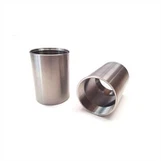
On the other hand, titanium is another premium material used in stem parts. Titanium Stem Parts offer outstanding strength - to - weight ratio. Titanium is corrosion - resistant, which means the stem can withstand harsh weather conditions and long - term use without significant degradation. Runners who often cycle in wet or salty environments will benefit greatly from titanium stems. Moreover, titanium has a unique damping property that can absorb vibrations from the road, providing a smoother and more comfortable ride.
2. Geometric Design
2.1 Length
The length of the stem part is a critical anatomical feature. A shorter stem provides more maneuverability. Runners who frequently navigate through tight corners or congested urban areas will find a shorter stem advantageous. It allows for quicker steering responses, enabling them to change directions rapidly. On the contrary, a longer stem is preferred for riders who focus on straight - line speed. A longer stem extends the reach of the rider, creating a more aerodynamic position. This reduces wind resistance, which is crucial for achieving high speeds during long - distance runs.


2.2 Angle
The angle of the stem also affects the rider's position. A positive - angle stem raises the handlebars relative to the fork steerer tube. This is beneficial for runners who prefer a more upright riding position. An upright position is more comfortable for long - distance rides as it reduces stress on the back, neck, and shoulders. It also allows for better visibility of the road ahead. Conversely, a negative - angle stem lowers the handlebars, promoting a more aggressive and aerodynamic riding position. Runners who are participating in races or aiming for maximum speed will often choose a negative - angle stem.
3. Adjustability
Adjustability is a key feature for modern stem parts. Many stems, such as the Bike Stem Riser Bike Fork Stem Extender Bicycle Handlebar Raiser Head Up Adapter Suitable For Mountain Bike, Road Bike, MTB, BMX, Fixie (Aluminium Alloy, Adjustable), offer adjustable height and angle. This allows runners to fine - tune their riding position according to their body type, riding style, and specific requirements.
For example, a runner with a back problem may need to adjust the stem to a more upright position to relieve pressure on the spine. Or, if a runner is preparing for a race, they can adjust the stem to a more aerodynamic position to gain an edge in speed. The ability to adjust the stem also means that the same bicycle can be used for different types of rides, from casual commuting to competitive racing.
4. Compatibility
A good stem part must be compatible with the rest of the bicycle components. It needs to fit securely onto the fork steerer tube and the handlebars. Different bicycles have different steerer tube diameters and handlebar clamp sizes. A stem that is not properly compatible can lead to safety issues, such as loose connections or instability during rides.
As a stem parts supplier, we ensure that our products are designed to meet a wide range of compatibility requirements. We offer stems with different steerer tube diameters and handlebar clamp sizes to accommodate various types of bicycles, including mountain bikes, road bikes, MTBs, BMXs, and fixies.
5. Strength and Durability
Runners put a lot of stress on their bicycles, especially during high - speed rides and rough terrain cycling. Therefore, the stem part must be strong and durable. The strength of a stem is determined by its material and design. As mentioned earlier, aluminium alloy and titanium are strong materials, but the design of the stem also plays a crucial role.
Stems with reinforced structures, such as thicker walls or additional bracing, are more likely to withstand high - stress situations. Durability is also related to the surface treatment of the stem. A stem with a good anti - corrosion coating will last longer, even in harsh environments.
Conclusion
The anatomical features of a runner's stem part are diverse and complex, each playing an important role in the overall performance and comfort of the ride. As a stem parts supplier, we are committed to providing high - quality, adjustable, and compatible stem parts to meet the needs of all types of runners. Whether you are a casual cyclist or a professional racer, choosing the right stem part can significantly enhance your cycling experience.
If you are interested in our stem parts or have any questions about the products, please feel free to contact us for procurement and negotiation. We are looking forward to serving you and helping you find the perfect stem part for your bicycle.
References
- Wilson, C. (2018). The Science of Cycling. Cycling Science Press.
- Smith, J. (2020). Bicycle Component Technology. Bicycle Tech Publications.