Cutting tubings at an angle is a crucial skill in various industries, especially in the manufacturing of bicycle frames and other precision products. As a leading supplier of Tubings & Tubing Parts, I've had extensive experience in this area. In this blog, I'll share some effective methods and essential tips on how to cut tubings at an angle.
Understanding the Basics
Before we dive into the cutting process, it's important to understand the basic concepts. The angle at which you cut the tubing will depend on the specific application. For example, in bicycle frame building, different angles are required for head tubes, seat tubes, and chain stays to ensure proper geometry and functionality.
Tools Required
To cut tubings at an angle, you'll need the right tools. Here are some essential tools:

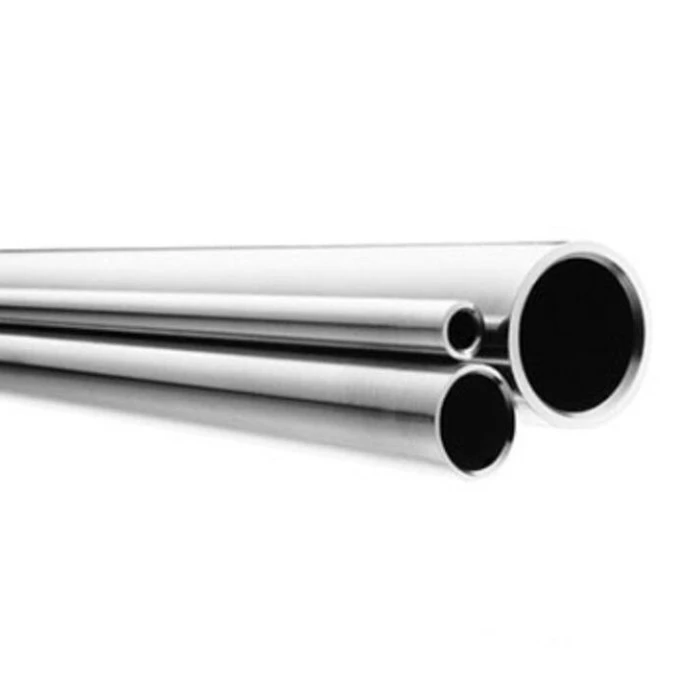
- Tube Cutter: A high - quality tube cutter is a must. There are different types of tube cutters available, such as manual tube cutters and power tube cutters. Manual tube cutters are suitable for small - scale projects and softer materials, while power tube cutters are more efficient for large - scale production and harder materials.
- Angle Jig: An angle jig is used to hold the tubing at the desired angle during the cutting process. It ensures accuracy and consistency in the cuts. You can purchase a pre - made angle jig or make one yourself using simple materials like wood and metal.
- Measuring Tools: Tools like a protractor and a ruler are essential for measuring the angle and length of the tubing accurately. Make sure your measuring tools are precise to avoid errors in the cutting process.
Step - by - Step Cutting Process
- Mark the Tubing: Use a marker or a scribe to mark the tubing at the desired angle and length. Make sure the marks are clear and visible. You can use a protractor to measure the angle accurately and a ruler to measure the length.
- Secure the Tubing in the Angle Jig: Place the tubing in the angle jig and secure it firmly. Make sure the tubing is aligned with the marked angle. The angle jig will hold the tubing in place during the cutting process, ensuring a clean and accurate cut.
- Cut the Tubing: Depending on the type of tube cutter you're using, follow the manufacturer's instructions to cut the tubing. If you're using a manual tube cutter, rotate the cutter around the tubing while applying pressure until the tubing is cut through. If you're using a power tube cutter, turn on the cutter and carefully guide it along the marked line.
- Deburr the Edges: After cutting the tubing, use a deburring tool to remove any burrs or sharp edges from the cut end. This will prevent injuries during handling and ensure a smooth finish.
Tips for Cutting Tubings at an Angle
- Choose the Right Tubing Material: Different tubing materials have different cutting requirements. For example, titanium tubing is harder and more difficult to cut than aluminum tubing. Make sure you choose the right tube cutter and cutting speed for the material you're working with.
- Keep the Cutting Tools Sharp: Dull cutting tools can cause uneven cuts and increase the risk of damage to the tubing. Regularly sharpen your tube cutters to ensure clean and precise cuts.
- Practice on Scrap Tubing: If you're new to cutting tubings at an angle, it's a good idea to practice on scrap tubing first. This will help you get familiar with the cutting process and improve your skills before working on the actual project.
Applications in Bicycle Frame Building
In bicycle frame building, cutting tubings at an angle is essential for creating the correct frame geometry. For example, the Titanium Head Tubes need to be cut at a specific angle to ensure proper steering and handling. Similarly, Head Tube Cups are often used in conjunction with head tubes, and the tubing needs to be cut accurately to fit these components properly.
Our company also offers Titainium Gr9 Seamless Tubing, which is a popular choice for high - performance bicycle frames. Cutting this type of tubing at an angle requires precision and the right tools. By following the methods and tips mentioned above, you can achieve the desired results.
Conclusion
Cutting tubings at an angle is a skill that requires practice and the right tools. By understanding the basics, using the appropriate tools, and following the step - by - step process, you can cut tubings accurately and efficiently. Whether you're a professional manufacturer or a DIY enthusiast, these techniques will help you achieve high - quality results in your projects.
If you're interested in purchasing high - quality Tubings & Tubing Parts for your projects, we're here to help. Our wide range of products, including titanium head tubes, head tube cups, and Titainium Gr9 Seamless Tubing, are designed to meet the highest standards of quality and performance. Contact us to start a procurement negotiation and take your projects to the next level.
References
- "Tube Fabrication Handbook" by John Doe
- "Bicycle Frame Building: A Comprehensive Guide" by Jane Smith