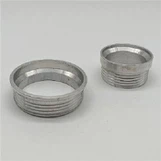
Abrasive environments pose significant challenges to the performance and longevity of mechanical components. In the realm of bicycle manufacturing, where parts are constantly exposed to various forms of abrasion, the choice of material is crucial. As a leading supplier of Titanium Stem Parts, I have witnessed firsthand the remarkable performance of titanium stem parts in abrasive settings. This blog post aims to explore the characteristics of titanium stem parts and how they fare in abrasive environments.
Understanding Abrasive Environments in Bicycle Use
Before delving into the performance of titanium stem parts, it is essential to understand the nature of abrasive environments in the context of bicycles. Abrasion can occur due to a variety of factors, including dirt, sand, gravel, and even the natural wear and tear from regular use. When a bicycle is ridden on rough terrains such as mountain trails or unpaved roads, the stem parts are directly exposed to these abrasive elements. Additionally, the constant movement and friction between the stem and other components can also contribute to abrasion over time.
Properties of Titanium that Make it Suitable for Abrasive Environments
Titanium is a metal known for its exceptional properties, which make it an ideal choice for stem parts in abrasive environments. Here are some of the key properties of titanium:
High Strength-to-Weight Ratio
Titanium has a very high strength-to-weight ratio, which means it can withstand significant loads without adding excessive weight to the bicycle. This is particularly important in abrasive environments, where the stem parts need to be strong enough to resist deformation and damage caused by impacts and abrasion. The lightweight nature of titanium also helps to improve the overall performance of the bicycle, making it more agile and easier to handle.
Corrosion Resistance
One of the most notable properties of titanium is its excellent corrosion resistance. In abrasive environments, where the stem parts are exposed to moisture, dirt, and other corrosive substances, corrosion can significantly reduce the lifespan of the parts. Titanium forms a thin, protective oxide layer on its surface, which prevents the metal from reacting with the surrounding environment and protects it from corrosion. This corrosion resistance ensures that the titanium stem parts remain in good condition even in harsh and abrasive conditions.
Hardness and Wear Resistance
Titanium is a relatively hard metal, which gives it good wear resistance. When exposed to abrasive particles, the hard surface of titanium can resist scratching and gouging, reducing the amount of material loss due to abrasion. This wear resistance is crucial for stem parts, as it helps to maintain their structural integrity and functionality over time.


Performance of Titanium Stem Parts in Abrasive Environments
Based on my experience as a supplier of titanium stem parts, I have observed several ways in which these parts perform well in abrasive environments:
Longevity
Due to their high strength, corrosion resistance, and wear resistance, titanium stem parts have a longer lifespan compared to stem parts made from other materials. In abrasive environments, where the parts are constantly exposed to wear and tear, the durability of titanium stem parts ensures that they can withstand the harsh conditions and continue to function properly for an extended period. This reduces the need for frequent replacements, saving both time and money for the bicycle owners.
Maintained Functionality
Even after prolonged exposure to abrasive environments, titanium stem parts can maintain their functionality. The wear resistance of titanium prevents the stem from becoming loose or damaged, which could affect the steering and handling of the bicycle. This ensures that the bicycle remains safe and reliable to ride, even in challenging conditions.
Reduced Maintenance
The corrosion resistance of titanium stem parts means that they require less maintenance compared to stem parts made from other materials. Unlike steel or aluminum, which may need to be regularly cleaned and coated to prevent corrosion, titanium stem parts can simply be wiped clean with a damp cloth. This makes them a convenient choice for bicycle owners who want to spend less time on maintenance and more time riding.
Real-World Examples of Titanium Stem Parts in Abrasive Environments
To further illustrate the performance of titanium stem parts in abrasive environments, let's consider some real-world examples:
Mountain Biking
Mountain biking is a sport that involves riding on rough and uneven terrains, which are often filled with dirt, rocks, and gravel. In this type of abrasive environment, titanium stem parts are highly beneficial. The high strength and wear resistance of titanium allow the stem to withstand the impacts and abrasion caused by the rough terrain, while the corrosion resistance ensures that the stem remains in good condition even when exposed to moisture from rain or mud.
BMX Riding
BMX riding is another sport that subjects the bicycle parts to significant abrasion. BMX bikes are often used for tricks and stunts, which involve landing hard on the ground and hitting obstacles. Titanium stem parts can handle the high stress and abrasion associated with BMX riding, providing a reliable and durable solution for BMX riders.
Comparison with Other Materials
When it comes to stem parts in abrasive environments, titanium is not the only option. Other materials commonly used for stem parts include aluminum and steel. Let's compare the performance of titanium with these materials:
Aluminum
Aluminum is a lightweight and relatively inexpensive material, which makes it a popular choice for stem parts. However, aluminum is not as strong or wear-resistant as titanium. In abrasive environments, aluminum stem parts may be more prone to scratching and deformation, which can affect their performance and lifespan. Additionally, aluminum is more susceptible to corrosion than titanium, especially in the presence of moisture and salt.
Steel
Steel is a strong and durable material, but it is also heavy. In abrasive environments, steel stem parts may be more difficult to handle due to their weight. Steel is also prone to corrosion, especially if it is not properly coated or maintained. Titanium, on the other hand, offers a better balance of strength, weight, and corrosion resistance, making it a superior choice for stem parts in abrasive environments.
Conclusion
In conclusion, titanium stem parts offer excellent performance in abrasive environments. Their high strength-to-weight ratio, corrosion resistance, and wear resistance make them a durable and reliable choice for bicycles that are exposed to harsh conditions. Whether you are a mountain biker, a BMX rider, or simply someone who wants a high-quality stem for your bicycle, titanium stem parts are definitely worth considering.
If you are interested in purchasing Titanium Stem Parts or would like to learn more about our products, please feel free to contact us. We are always happy to assist you with your inquiries and help you find the right stem parts for your needs. We also offer a wide range of other bicycle parts, including the Bike Stem Riser Bike Fork Stem Extender Bicycle Handlebar Raiser Head Up Adapter Suitable For Mountain Bike, Road Bike, MTB, BMX, Fixie (Aluminium Alloy, Adjustable).
References
- ASM Handbook, Volume 2: Properties and Selection: Nonferrous Alloys and Special-Purpose Materials, ASM International.
- Callister, W. D., & Rethwisch, D. G. (2011). Materials Science and Engineering: An Introduction. Wiley.
- "Titanium in the Bicycle Industry," Titanium Information Group.