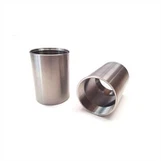
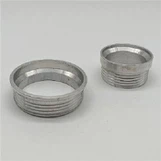
When it comes to the world of bicycle components, the choice between titanium stem parts and steel stem parts is a crucial decision that can significantly impact both the performance and cost of a bike. As a supplier of Titanium Stem Parts, I've had the opportunity to closely examine the cost - related aspects of these two materials. In this blog post, I'll delve into a detailed comparison of the costs associated with titanium and steel stem parts, considering various factors that influence their prices.
Initial Material Costs
The first and most obvious factor in the cost comparison is the price of the raw materials. Titanium is a relatively rare metal compared to steel. The extraction and refining processes for titanium are more complex and energy - intensive than those for steel. Steel is primarily made from iron ore, which is abundant in the Earth's crust, and the production techniques for steel have been optimized over centuries.
Titanium has unique properties such as high strength - to - weight ratio, corrosion resistance, and biocompatibility. These properties make it highly desirable in many industries, including aerospace and medical. However, the demand for titanium drives up its price. On average, the cost of titanium per pound can be several times higher than that of steel. For bicycle stem parts, this means that the raw material cost for titanium stems is inherently greater.
Manufacturing Costs
The manufacturing processes for titanium and steel stem parts also contribute to the overall cost difference. Steel is a well - understood material in the manufacturing world. It can be easily machined, forged, and welded using standard tools and techniques. The equipment and expertise required to work with steel are widely available, which keeps the manufacturing costs relatively low.
In contrast, working with titanium is more challenging. Titanium has a high melting point and is prone to chemical reactions at elevated temperatures. Specialized tools and equipment are needed to machine and fabricate titanium parts. The cutting tools for titanium wear out faster than those for steel, which increases the cost of tooling. Additionally, the manufacturing process for titanium parts often requires more precise control to avoid introducing defects. All these factors add up to higher manufacturing costs for titanium stem parts.
Performance - Related Cost Considerations
While titanium stem parts are more expensive upfront, they offer performance benefits that can justify the cost in certain situations. Titanium has a higher strength - to - weight ratio than steel. This means that a titanium stem can be made lighter without sacrificing strength. For high - performance cyclists, especially those involved in competitive racing, every gram of weight reduction can make a significant difference.
A lighter stem can improve the bike's handling and acceleration. It also reduces the overall weight of the bike, which can lead to less fatigue during long rides. In this sense, the cost of a titanium stem can be seen as an investment in performance. However, for casual riders who are not as concerned about shaving off every ounce, the additional cost of a titanium stem may not be worth it.
Durability and Long - Term Costs
Another aspect to consider is the durability of the stem parts. Steel is known for its toughness and ability to withstand high stress. However, steel is prone to corrosion, especially in wet or salty environments. If a steel stem is not properly maintained, it can rust over time, which can weaken the stem and pose a safety risk. To prevent corrosion, steel stems often need to be coated or painted, which adds to the initial cost and requires regular maintenance.
Titanium, on the other hand, is highly corrosion - resistant. It can withstand exposure to moisture, chemicals, and harsh environmental conditions without rusting or corroding. This means that titanium stem parts have a longer lifespan and require less maintenance over time. While the initial cost of a titanium stem is higher, the long - term cost can be lower when considering the reduced need for replacement and maintenance.
Market Demand and Pricing
The market demand for titanium and steel stem parts also affects their prices. The majority of bicycles on the market are designed for the general consumer, who is often price - sensitive. For this market segment, steel stem parts are more popular due to their lower cost. The high demand for steel stems allows manufacturers to produce them in larger quantities, which further reduces the cost through economies of scale.
Titanium stem parts, on the other hand, target a niche market of high - end cyclists and enthusiasts who are willing to pay a premium for the performance and durability benefits. The lower demand for titanium stems means that they are produced in smaller quantities, which can keep the prices high.
Cost - Benefit Analysis
When deciding between titanium and steel stem parts, cyclists need to conduct a cost - benefit analysis based on their individual needs and budget. If you are a casual rider who uses the bike for commuting or leisurely rides, a steel stem may be the more cost - effective choice. It offers adequate performance at a lower price.
However, if you are a competitive cyclist or a serious enthusiast who values performance and durability, a titanium stem may be worth the investment. The weight savings, corrosion resistance, and long - term durability can provide a better riding experience and potentially save money in the long run.
Product Recommendations
For those interested in exploring different stem options, I'd like to recommend the Bike Stem Riser Bike Fork Stem Extender Bicycle Handlebar Raiser Head Up Adapter Suitable For Mountain Bike, Road Bike, MTB, BMX, Fixie (Aluminium Alloy, Adjustable). This product offers an adjustable solution for riders looking to customize their bike's handlebar height. It is made of aluminium alloy, which provides a good balance between cost and performance.
If you are specifically interested in high - end stem parts, our Titanium Stem Parts are a great option. They are crafted with precision to ensure the highest quality and performance.


Conclusion
In conclusion, the cost comparison between titanium and steel stem parts reveals a complex picture. Titanium stem parts are more expensive due to the high cost of raw materials and manufacturing processes. However, they offer performance benefits such as weight savings and corrosion resistance that can justify the cost for certain riders. Steel stem parts, on the other hand, are more affordable and suitable for the general consumer.
If you are considering purchasing stem parts for your bike and would like to discuss the options further, please feel free to reach out. I'm more than happy to provide detailed information and assist you in making the right choice for your needs. Whether you're looking for high - performance titanium stems or cost - effective steel stems, I can help you find the perfect fit for your bike.
References
- "Materials Science and Engineering: An Introduction" by William D. Callister Jr. and David G. Rethwisch
- "Bicycle Design and Technology" by Gordon W. Wilkinson
- Industry reports on the bicycle components market