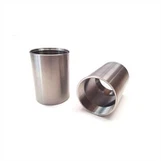
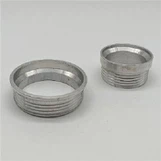
When it comes to the components of a bicycle, the stem part plays a crucial role in connecting the handlebars to the fork, and it significantly impacts the rider's comfort and control. As a supplier of Titanium Stem Parts, I often encounter questions from customers about how titanium stem parts compare to plastic stem parts. In this blog, I will delve into the various aspects of these two types of stem parts to help you make an informed decision.
Material Properties
Titanium is a remarkable metal known for its high strength - to - weight ratio. It is incredibly strong, capable of withstanding significant stress and impact without deforming easily. This makes titanium stem parts ideal for high - performance bicycles, especially those used in mountain biking or other extreme cycling conditions. On the other hand, plastic is a much lighter material in general, but its strength is relatively limited compared to titanium. Plastic stem parts may crack or break under heavy loads or sudden impacts, which can be a safety hazard for cyclists.
The corrosion resistance of titanium is another outstanding feature. Titanium forms a thin, protective oxide layer on its surface when exposed to air, which prevents further corrosion. This means that titanium stem parts can last for a long time, even in harsh environmental conditions such as wet or salty environments. Plastic, while it may not corrode in the traditional sense, can degrade over time due to exposure to sunlight, chemicals, and extreme temperatures. UV rays can cause plastic to become brittle and lose its structural integrity, reducing its lifespan.
Performance in Cycling
In terms of performance, titanium stem parts offer better vibration damping. When cycling on rough terrain, the vibrations from the road or trail can be transferred to the rider through the handlebars. Titanium has the ability to absorb and dissipate these vibrations, providing a smoother and more comfortable ride. Plastic, however, is a less effective vibration damper. The vibrations can pass through plastic stem parts more easily, leading to a more jarring and uncomfortable experience for the cyclist.
The stiffness of a stem part also affects the handling of the bicycle. Titanium stem parts can be engineered to have the right amount of stiffness. A stiffer stem allows for more precise steering, as it transfers the rider's input to the front wheel more efficiently. Plastic stem parts may flex more under load, which can result in a less responsive steering feel. This lack of responsiveness can be a drawback, especially for cyclists who require quick and accurate steering, such as competitive riders.
Aesthetics and Customization
Titanium has a unique and attractive appearance. Its natural metallic sheen gives bicycles a high - end and sophisticated look. Additionally, titanium can be anodized in various colors, allowing for a greater degree of customization. Cyclists can choose a color that matches their bike's overall aesthetic or personal style. Plastic stem parts, while they can be produced in a wide range of colors, often have a more artificial and less premium look compared to titanium.


Customization options for titanium stem parts are also more extensive. Titanium can be machined into complex shapes and designs, enabling the creation of stem parts that are not only functional but also visually appealing. Manufacturers can create unique geometries to optimize the performance of the stem while maintaining its aesthetic appeal. Plastic, due to its manufacturing processes, may have more limitations in terms of complex design and shape customization.
Cost Considerations
One of the main factors that customers often consider is the cost. Titanium stem parts are generally more expensive than plastic stem parts. The high cost of titanium is due to its extraction, refining, and manufacturing processes. Titanium is a relatively rare metal, and the production of high - quality titanium components requires specialized equipment and skilled labor. Plastic, on the other hand, is a more affordable material, and the manufacturing processes for plastic stem parts are often less complex and costly.
However, it's important to consider the long - term cost. While the initial investment in titanium stem parts is higher, their durability and longevity mean that they may not need to be replaced as frequently as plastic stem parts. In the long run, the cost - effectiveness of titanium stem parts may be comparable or even better, especially for cyclists who use their bikes frequently or in demanding conditions.
Applications
For professional cyclists and enthusiasts who demand the highest level of performance, titanium stem parts are often the preferred choice. Their strength, vibration damping, and stiffness make them suitable for high - speed cycling, mountain biking, and other competitive cycling events. Cyclists who participate in long - distance rides also benefit from the comfort provided by titanium stem parts.
Plastic stem parts are more commonly used in entry - level or budget bicycles. They are a cost - effective option for casual cyclists who do not require the high - performance features of titanium stem parts. Plastic stem parts can also be found in children's bicycles, where the lower cost and lighter weight are more important factors.
Conclusion
In conclusion, titanium stem parts and plastic stem parts each have their own advantages and disadvantages. Titanium stem parts offer superior strength, corrosion resistance, vibration damping, and customization options, but they come at a higher cost. Plastic stem parts are more affordable and lightweight, but they may have limitations in terms of strength, durability, and performance.
If you are a cyclist who values performance, durability, and aesthetics, and you are willing to invest in high - quality components, then Titanium Stem Parts are an excellent choice. On the other hand, if you are on a tight budget or a casual cyclist, plastic stem parts may meet your needs.
If you are interested in learning more about our Titanium Stem Parts or are looking to purchase them for your bicycle, I encourage you to contact us for a procurement discussion. We are dedicated to providing the best products and services to our customers.
References
- "Bicycle Engineering" by David Gordon Wilson. This book provides in - depth knowledge about the engineering principles behind bicycle components, including stem parts.
- "The Bicycle: A Physical and Cultural History" by David V. Herlihy. It offers insights into the history and development of bicycle parts, which helps in understanding the evolution of stem materials.
- Industry reports on bicycle component materials and manufacturing processes. These reports provide up - to - date information on the latest trends and technologies in the production of stem parts.
If you are also interested in a product like Bike Stem Riser Bike Fork Stem Extender Bicycle Handlebar Raiser Head Up Adapter Suitable For Mountain Bike, Road Bike, MTB, BMX, Fixie (Aluminium Alloy, Adjustable), feel free to explore our website for more details.