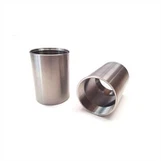
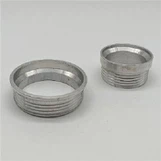
When it comes to the world of bicycle components, the choice between titanium stem parts and ceramic stem parts is a crucial decision that can significantly impact the performance, durability, and overall riding experience. As a trusted Titanium Stem Parts supplier, I've witnessed firsthand the evolving preferences and requirements of cyclists and builders. In this blog, I'll delve into a detailed comparison of these two materials, highlighting their unique characteristics, advantages, and drawbacks.
Material Properties
Titanium Stem Parts
Titanium is a remarkable metal known for its exceptional strength - to - weight ratio. It is lighter than steel yet offers comparable strength. This makes titanium stem parts an ideal choice for cyclists who are looking to reduce the overall weight of their bikes without sacrificing durability. Titanium also has excellent corrosion resistance, which means that it can withstand harsh weather conditions and regular exposure to moisture without rusting or degrading.
The inherent flexibility of titanium allows it to absorb vibrations from the road or trail, providing a smoother and more comfortable ride. This is particularly beneficial for long - distance cyclists or those who frequently ride on rough terrain. Titanium's biocompatibility is also an interesting aspect, although not directly relevant to bike performance, it showcases the metal's unique properties.
You can explore our range of Titanium Stem Parts to see the high - quality products we offer.
Ceramic Stem Parts
Ceramics, on the other hand, are extremely hard and have a very high melting point. They are highly resistant to wear and abrasion, which means that ceramic stem parts can maintain their shape and performance over a long period of time, even under heavy use. Ceramics also have a low coefficient of friction, which can potentially lead to smoother movement in the stem mechanism, resulting in more precise steering.
However, ceramics are brittle materials. They are prone to cracking or shattering when subjected to sudden impacts or high - stress situations. This brittleness can be a significant drawback, especially in a cycling environment where the bike may encounter rough terrain or accidental collisions.
Performance
Strength and Durability
In terms of strength, titanium stem parts are well - known for their ability to handle high loads. They can withstand the stresses of aggressive riding, such as hard cornering and jumping, without deforming. The fatigue resistance of titanium is also impressive, meaning that it can endure repeated loading cycles over time without failing.
Ceramic stem parts, while hard, are not as forgiving as titanium when it comes to impact. A single hard hit can cause a crack in the ceramic, which may compromise the integrity of the stem and pose a safety risk. In normal, gentle riding conditions, ceramic stems can last a long time, but in more extreme scenarios, titanium is the clear winner in terms of durability.
Weight
Weight is a critical factor for many cyclists, especially those involved in competitive racing. Titanium stem parts are relatively lightweight, which can contribute to a more agile and responsive bike. The reduced weight can also make it easier to accelerate and climb hills.
Ceramics are generally heavier than titanium. Although the weight difference may not be substantial in a single stem part, when considering the overall weight of the bike, it can add up. For cyclists who are aiming for the lightest possible setup, titanium is the preferred choice.
Riding Comfort
As mentioned earlier, titanium's ability to absorb vibrations makes it a great option for enhancing riding comfort. It can dampen the shocks from bumps and uneven surfaces, reducing the fatigue on the rider's hands and arms.
Ceramics do not have the same vibration - absorbing properties as titanium. The hard and rigid nature of ceramics means that more of the road vibrations are transferred directly to the rider, which can lead to a less comfortable ride, especially on long trips.
Cost
Titanium Stem Parts
The production of titanium stem parts involves complex manufacturing processes, and titanium itself is a relatively expensive material. This results in a higher cost for titanium stem parts compared to some other materials. However, the long - term durability and performance benefits often justify the investment for serious cyclists and high - end bike builders.


Ceramic Stem Parts
The cost of ceramic stem parts can vary widely. High - quality ceramic components can be quite expensive, mainly due to the specialized manufacturing techniques required to produce them. However, there are also lower - cost ceramic options available on the market, but these may not offer the same level of performance and quality as the more expensive ones.
Applications
Titanium Stem Parts
Titanium stem parts are suitable for a wide range of cycling applications. They are commonly used in high - end mountain bikes, road bikes, and racing bikes. Their strength, light weight, and vibration - absorbing properties make them a great choice for both professional cyclists and enthusiasts who demand the best performance from their bikes.
Ceramic Stem Parts
Ceramic stem parts are more niche. They may be used in some specialized bikes where the smooth movement and wear resistance of ceramics are desired, such as in some high - precision racing setups. However, due to their brittleness, they are not as widely used as titanium stem parts.
Conclusion
In conclusion, both titanium stem parts and ceramic stem parts have their own unique advantages and disadvantages. Titanium offers a winning combination of strength, durability, light weight, and riding comfort, making it a versatile choice for most cycling applications. Ceramic stem parts, while having some benefits such as wear resistance and low friction, are limited by their brittleness.
If you're in the market for high - quality stem parts, I encourage you to consider our Titanium Stem Parts. We also offer products like the Bike Stem Riser Bike Fork Stem Extender Bicycle Handlebar Raiser Head Up Adapter Suitable For Mountain Bike, Road Bike, MTB, BMX, Fixie (Aluminium Alloy, Adjustable) to meet different needs.
If you're interested in purchasing our titanium stem parts or have any questions about our products, feel free to reach out for a procurement discussion. We're here to help you find the best components for your bike.
References
- "Materials Science for Engineers" by Donald Askeland and Pradeep Fulay.
- "Bicycle Engineering" by David Gordon Wilson.