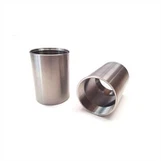
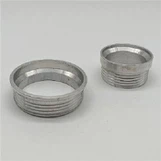
When it comes to bicycle frame building, the head tube is a crucial component that significantly impacts the bike's performance, handling, and overall ride quality. Two popular materials for head tubes are titanium and carbon fiber, each with its own unique set of characteristics and advantages. As a supplier of Titanium Head Tubes, I'm here to provide an in - depth comparison between these two materials to help you make an informed decision for your next bike project.
Strength and Durability
Titanium is renowned for its excellent strength - to - weight ratio. It has a high tensile strength, which means it can withstand a large amount of stress without deforming or breaking. Titanium head tubes are highly resistant to corrosion, making them ideal for long - term use, even in harsh environmental conditions. This corrosion resistance is a major advantage over many other metals, as it ensures the integrity of the head tube over time.
Carbon fiber, on the other hand, is also incredibly strong. It can be engineered to have specific strength properties in different directions, allowing for a very efficient use of material. However, carbon fiber is more brittle compared to titanium. A hard impact can cause internal damage to the carbon fiber structure that may not be immediately visible, but can weaken the head tube over time. In contrast, titanium is more forgiving in the face of impacts and is less likely to suffer from hidden damage.
Weight
Weight is a critical factor in bicycle design, especially for high - performance bikes. Carbon fiber has a significant advantage in this area. It is much lighter than titanium, which can contribute to a reduction in the overall weight of the bike. A lighter bike is generally easier to accelerate, climb hills, and handle.
Titanium head tubes are heavier than their carbon fiber counterparts, but the weight difference may not be as significant as you might think. Modern titanium alloys have been developed to be as light as possible while still maintaining their strength. And in some cases, the added weight of titanium can provide a more stable and planted feel on the road, which can be beneficial for certain types of riding.
Ride Quality
The material of the head tube can have a profound impact on the ride quality of the bike. Titanium has a unique ability to dampen vibrations. It absorbs road chatter and bumps, providing a smoother and more comfortable ride. This is particularly noticeable on rough roads or during long - distance rides. The natural elasticity of titanium allows it to flex slightly under load, which can enhance the overall comfort of the bike.
Carbon fiber can also be designed to provide a smooth ride. By adjusting the layup and orientation of the carbon fibers, manufacturers can control the stiffness and compliance of the head tube. However, some carbon fiber head tubes can feel overly stiff, transmitting more vibrations to the rider. This can lead to fatigue over long rides, especially on poor - quality roads.
Cost
Cost is often a deciding factor for many cyclists and bike builders. Carbon fiber head tubes are generally more expensive than titanium head tubes. The manufacturing process of carbon fiber is complex and requires specialized equipment and expertise. Additionally, the raw materials for carbon fiber are relatively costly.
Titanium, while still an expensive material, is more cost - effective in comparison. The production process for titanium head tubes is more straightforward, and the raw material costs are relatively stable. This makes titanium a more accessible option for those on a budget or for custom bike builders who want to offer a high - quality product at a reasonable price.
Compatibility and Ease of Installation
Titanium head tubes are highly compatible with a wide range of headset components. They can be easily machined to fit standard headset sizes and are often used in conjunction with Titanium Headset Spacer and Head Tube Cups. The relatively simple geometry of titanium head tubes makes them easy to install, even for amateur bike builders.


Carbon fiber head tubes require more precision during installation. The headset cups need to be installed carefully to avoid damaging the carbon fiber. Any misalignment or improper installation can lead to premature failure of the head tube. Additionally, carbon fiber head tubes may require special tools and techniques for cutting and finishing, which can add to the complexity of the installation process.
Aesthetic Appeal
Both titanium and carbon fiber offer unique aesthetic qualities. Titanium has a distinctive metallic sheen that gives the bike a high - end and industrial look. It can be polished to a mirror - like finish or left with a brushed texture for a more understated appearance. Titanium also develops a natural patina over time, which can add character to the bike.
Carbon fiber has a modern and sleek look. The visible weave pattern of the carbon fibers can give the bike a high - tech and sporty appearance. Many cyclists are drawn to the aesthetic of carbon fiber for its association with high - performance and advanced technology.
Long - Term Value
In terms of long - term value, titanium head tubes have an edge. As mentioned earlier, titanium is extremely durable and resistant to corrosion. A well - made titanium head tube can last for decades, even with regular use. This means that your investment in a titanium head tube will pay off over time, as you won't have to replace it due to wear and tear.
Carbon fiber head tubes, while strong, have a more limited lifespan. The potential for hidden damage and the degradation of the carbon fiber structure over time means that they may need to be replaced sooner than titanium head tubes.
Conclusion
In conclusion, both titanium and carbon fiber head tubes have their own strengths and weaknesses. Carbon fiber offers a lightweight and high - tech option with a sleek appearance, but it comes with a higher cost and a greater risk of damage. Titanium, on the other hand, provides a durable, comfortable, and cost - effective solution that is well - suited for a wide range of riding styles and budgets.
As a supplier of Titanium Head Tubes, I believe that titanium head tubes are an excellent choice for those who value durability, ride quality, and cost - effectiveness. Whether you're a professional bike builder or an amateur cyclist looking to build your dream bike, I encourage you to consider titanium head tubes for your next project.
If you're interested in learning more about our titanium head tubes or would like to discuss a potential purchase, I invite you to reach out. We're always happy to help you find the perfect head tube for your needs and answer any questions you may have.
References
- "Bicycle Frame Design and Technology" by Lennard Zinn
- "The Bicycle Wheel" by Jobst Brandt
- Industry reports on bicycle materials and component manufacturing