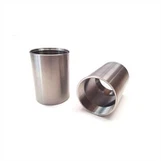
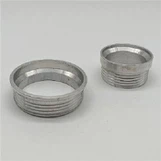
As a supplier of Head Tube Cups, I often receive inquiries from cyclists and bike enthusiasts about how to determine if the Head Tube Cups are compatible with their bike's headset. This is a crucial question, as using incompatible components can lead to poor performance, premature wear, and even safety hazards. In this blog post, I'll share some key factors to consider when assessing compatibility, drawing on my experience in the industry.
Understanding the Basics of Head Tube Cups and Headsets
Before delving into compatibility, it's essential to understand what Head Tube Cups and headsets are and how they work together. The head tube is a part of the bike frame that houses the headset, which allows the fork to rotate smoothly, enabling steering. Head Tube Cups are the components that are pressed into the top and bottom of the head tube to provide a bearing surface for the headset bearings.
The headset typically consists of bearings, races, and a crown race that fits onto the fork steerer tube. The Head Tube Cups need to match the dimensions and specifications of both the head tube and the headset to ensure a proper fit.
Measuring the Head Tube
The first step in determining compatibility is to measure the head tube of your bike. There are two main measurements to consider: the inside diameter (ID) and the outside diameter (OD) of the head tube at the top and bottom.
Inside Diameter (ID)
The ID of the head tube is crucial as it determines the size of the Head Tube Cups that will fit inside. Common ID sizes for head tubes include 1 1/8 inches, 1.5 inches, and tapered sizes (e.g., 1 1/8 inches at the top and 1.5 inches at the bottom). To measure the ID accurately, you can use a caliper or a specialized head tube measuring tool.
Outside Diameter (OD)
While the OD of the head tube is not directly related to the fit of the Head Tube Cups, it can affect the overall aesthetics and the type of headset that can be used. Some bikes may have a larger OD head tube to accommodate a more robust or integrated headset design.
Checking the Headset Specifications
Once you have measured the head tube, you need to check the specifications of your headset. The headset will have specific requirements for the bearing size, race diameter, and type of Head Tube Cups it is designed to work with.
Bearing Size
The bearing size is a critical factor in determining compatibility. Headset bearings come in various sizes, and the Head Tube Cups must be able to accommodate the correct bearing size. The bearing size is usually specified in millimeters or inches.
Race Diameter
The race diameter refers to the size of the races that sit on top of the bearings. The Head Tube Cups need to have the correct diameter to support the races properly. Different headset manufacturers may use different race diameters, so it's essential to check the specifications carefully.
Headset Type
There are several types of headsets available, including threadless, threaded, and integrated headsets. Each type has its own unique requirements for the Head Tube Cups. For example, integrated headsets often require specific cup designs that are integrated into the frame, while threadless headsets use more standard cup designs.
Considering the Frame Material
The material of the bike frame can also affect the compatibility of the Head Tube Cups. Different frame materials, such as aluminum, steel, carbon fiber, or titanium, may have different properties and requirements.


Aluminum Frames
Aluminum frames are lightweight and corrosion-resistant. When using Head Tube Cups with aluminum frames, it's important to ensure that the cups are properly sized and installed to prevent damage to the frame. Aluminum frames may require special installation techniques, such as using a press fit or a specific adhesive.
Steel Frames
Steel frames are known for their durability and strength. Steel frames can typically accommodate a wider range of Head Tube Cups, but it's still important to ensure a proper fit. Steel frames may require more precise measurements due to their heavier weight and different expansion and contraction properties compared to other materials.
Carbon Fiber Frames
Carbon fiber frames are lightweight and offer excellent stiffness and strength. However, carbon fiber is a more delicate material, and using the wrong Head Tube Cups can cause damage to the frame. When working with carbon fiber frames, it's crucial to use cups that are specifically designed for carbon fiber applications and to follow the manufacturer's installation instructions carefully.
Titanium Frames
Titanium frames are lightweight, strong, and corrosion-resistant. Titanium frames may require special Head Tube Cups that are designed to work with the unique properties of titanium. For example, you might consider using Titanium Headset Spacer for a better fit and performance.
Looking at the Compatibility Chart
Many Head Tube Cups manufacturers provide compatibility charts that can help you determine if a particular cup is suitable for your bike. These charts typically list the head tube sizes, headset types, and other relevant specifications.
When using a compatibility chart, it's important to read it carefully and ensure that you are using the correct measurements and specifications. Keep in mind that compatibility charts are a general guide, and there may be some variations depending on the specific bike model and headset.
Considering the Bottom Bracket Shell
While the bottom bracket shell is not directly related to the head tube and headset, it's worth mentioning that the overall design and specifications of the bike frame can influence the compatibility of the Head Tube Cups. The Bottom Bracket Shell is another critical component of the bike frame, and its size and design can affect the handling and performance of the bike.
Checking for Special Features
Some Head Tube Cups may have special features or designs that can affect compatibility. For example, some cups may be designed for use with specific fork types or have additional seals or bearings for improved performance.
When considering Head Tube Cups with special features, make sure that these features are compatible with your bike's headset and frame. For example, if you have a bike with a Titainium Gr9 Seamless Tubing, you may need to choose cups that are designed to work with this type of tubing.
Seeking Professional Advice
If you're still unsure about the compatibility of the Head Tube Cups with your bike's headset, it's always a good idea to seek professional advice. A bike mechanic or a knowledgeable salesperson at a bike shop can help you measure your head tube, check the headset specifications, and recommend the right Head Tube Cups for your bike.
Conclusion
Determining if the Head Tube Cups are compatible with your bike's headset requires careful measurement, consideration of the headset specifications, and an understanding of the frame material. By following the steps outlined in this blog post, you can ensure that you choose the right Head Tube Cups for your bike, resulting in a smooth and safe riding experience.
If you're in the market for high-quality Head Tube Cups, I invite you to reach out to discuss your specific needs. Our team of experts is here to assist you in finding the perfect fit for your bike. Contact us to start the procurement process and take your cycling experience to the next level.
References
- "Bicycle Frame Building: A Comprehensive Guide" by John Allen
- "The Bicycle Wheel" by Jobst Brandt
- Manufacturer's specifications and compatibility charts for Head Tube Cups and headsets.