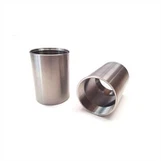
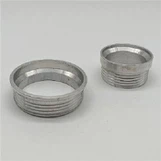
In the dynamic world of cycling, dropouts play a crucial role in determining the performance and functionality of a bicycle. However, for those considering a career path outside the traditional educational norms, similar to choosing the right dropouts for a bike, the development of communication skills is of utmost importance. As a supplier of high - quality Titanium Dropouts, Aluminum Dropouts, and Titanium Slider Dropout, I've witnessed the significance of effective communication in building successful business relationships and how dropouts can thrive by honing these skills.
Understanding the Need for Communication Skills
In today's society, dropouts often face unique challenges. They may not have the traditional educational credentials to fall back on, which makes their ability to communicate effectively all the more critical. Good communication skills are the building blocks of various aspects of life, be it finding a job, starting a business, or networking with industry professionals.
For instance, in the cycling industry, when I communicate with customers about the different types of dropouts we offer, I need to convey information clearly. I explain the advantages of Titanium Dropouts, such as its high strength - to - weight ratio, corrosion resistance, and ability to enhance the overall performance of the bike. Similarly, dropouts in other fields need to be able to articulate their ideas, skills, and value proposition to potential employers or partners.
Self - Awareness and Goal Setting
The first step in developing communication skills is self - awareness. Dropouts need to understand their current communication strengths and weaknesses. They can start by analyzing their past interactions, such as job interviews or group discussions. Were they able to express their thoughts clearly? Did they listen actively to others?
Once they have a clear picture of their communication abilities, they can set specific goals. For example, if a dropout realizes that they struggle with public speaking, their goal could be to give a presentation in front of a small group within the next three months. This goal - setting process provides direction and motivation for improvement.
In my business, I set goals for communicating with customers. I aim to respond to all inquiries within 24 hours and ensure that every customer understands the features and benefits of our Aluminum Dropouts and other products. By having clear goals, I can measure my progress and make adjustments as needed.
Active Listening
Active listening is an often - overlooked but essential part of communication. Dropouts should learn to listen without interrupting and try to understand the speaker's perspective fully. This involves not only hearing the words but also paying attention to non - verbal cues such as body language and tone of voice.
When I communicate with cyclists who are interested in our Titanium Slider Dropout, I listen carefully to their needs. Some may be looking for a dropout that allows for easy adjustment of the chain tension, while others may be more concerned about the dropout's durability. By actively listening, I can provide them with the most relevant information and solutions.
Dropouts can practice active listening in various settings, such as during conversations with friends, family, or in professional networking events. They can ask follow - up questions to show that they are engaged and interested in what the other person has to say.
Verbal and Non - Verbal Communication
Verbal communication involves the words we use, while non - verbal communication includes body language, facial expressions, and tone of voice. Dropouts need to work on both aspects to become effective communicators.
In terms of verbal communication, they should strive to use clear and concise language. Avoiding jargon or complex terms that the listener may not understand is crucial. For example, when explaining a technical concept in the cycling industry like the function of a dropout, I use simple language that anyone can comprehend.
Non - verbal communication also plays a significant role. Maintaining eye contact, having an open posture, and using appropriate facial expressions can enhance the message being conveyed. A dropout attending a job interview can make a better impression by sitting up straight, smiling, and making eye contact with the interviewer.
Building Confidence
Confidence is key to effective communication. Dropouts may face self - doubt due to their non - traditional educational background. However, they can build confidence by taking small steps. For example, they can start by speaking up in small group discussions and gradually work their way up to larger audiences.
In my business, I gain confidence in communicating with customers by continuously learning about our products. I know the ins and outs of Titanium Dropouts, Aluminum Dropouts, and Titanium Slider Dropout. When I have this knowledge, I can communicate with customers more confidently, and they are more likely to trust my recommendations.
Continuous Learning and Practice
Communication skills are not something that can be developed overnight. Dropouts need to engage in continuous learning and practice. They can read books on communication, take online courses, or join public speaking clubs.


In my experience as a dropout supplier, I constantly learn about new trends in the cycling industry and how to communicate these effectively to my customers. I also practice different communication strategies, such as email marketing and in - person sales pitches.
Networking
Networking is an excellent way for dropouts to develop communication skills. By interacting with different people in their field of interest, they can learn from others' communication styles and gain exposure to various perspectives.
In the cycling industry, I attend trade shows and networking events. These events provide an opportunity for me to communicate with other suppliers, manufacturers, and cyclists. I learn about new products, market trends, and effective ways to communicate the value of our dropouts. Dropouts can also join professional groups related to their area of interest, whether it's entrepreneurship, technology, or art.
Adapting to Different Audiences
Dropouts need to be able to adapt their communication style to different audiences. For example, when speaking to a potential employer, they may need to use a more formal and professional tone. On the other hand, when communicating with peers or customers, a more relaxed and friendly style may be appropriate.
In my business, I adjust my communication style depending on the customer. Some customers are new to cycling and need a lot of explanation, while others are experienced cyclists who may only need specific technical details about our Titanium Slider Dropout. By adapting to the audience, I can build better relationships and provide more effective service.
The Role of Feedback
Feedback is essential for improving communication skills. Dropouts should seek feedback from others, such as friends, mentors, or colleagues. They can ask for specific feedback on what they are doing well and what areas need improvement.
In my business, I regularly ask customers for feedback on our communication. This helps me understand if I'm effectively communicating the features and benefits of our Aluminum Dropouts and other products. I then use this feedback to make adjustments and improve my communication skills.
Conclusion
Developing communication skills is a journey for dropouts, but it is a journey that can lead to great success. By focusing on self - awareness, active listening, verbal and non - verbal communication, confidence building, continuous learning, networking, adapting to different audiences, and seeking feedback, dropouts can enhance their ability to communicate effectively.
As a supplier of high - quality dropouts, I understand the importance of communication in building successful business relationships. Whether you're a dropout looking to develop your communication skills or a cycling enthusiast interested in our Titanium Dropouts, Aluminum Dropouts, and Titanium Slider Dropout, I invite you to reach out for further discussions and potential procurement. Let's connect and explore how we can work together to achieve our goals.
References
- Carnegie, D. (1936). How to Win Friends and Influence People. Simon & Schuster.
- Covey, S. R. (1989). The 7 Habits of Highly Effective People. Free Press.
- Goleman, D. (1995). Emotional Intelligence. Bantam Books.