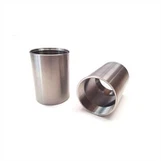
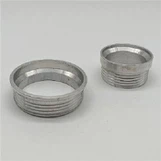
Hey there, fellow cycling enthusiasts! I'm a supplier of Aluminum Dropouts, and today I want to dive into how these nifty little components can affect the suspension system of a bike, if applicable.
First off, let's talk about what dropouts are. Dropouts are the part of the bike frame where the wheel axle sits. They're crucial for holding the wheel in place and allowing it to rotate smoothly. Aluminum dropouts, as the name suggests, are made from aluminum, a lightweight and corrosion - resistant metal.
Now, when it comes to suspension systems, not all bikes have them. But for those that do, like mountain bikes and some high - end road bikes, the dropouts can play a significant role.
Weight and Responsiveness
One of the main advantages of aluminum dropouts is their weight. Aluminum is much lighter than steel, for example. In a suspension system, weight matters a lot. A lighter dropout means less unsprung weight. Unsprung weight is the weight of the components that aren't supported by the suspension, like the wheels, tires, and dropouts. When the unsprung weight is reduced, the suspension can react more quickly to bumps and irregularities on the road or trail.
Let's say you're riding on a rough mountain trail. With lighter aluminum dropouts, the suspension can compress and rebound faster. This leads to a smoother ride because the wheels can stay in contact with the ground better. When the wheels maintain better contact, you get more traction, which is super important for control and safety.
Stiffness and Energy Transfer
Aluminum dropouts also offer good stiffness. Stiffness is important in a suspension system because it affects how the bike transfers energy. When you pedal, you want that energy to be efficiently transferred from the pedals to the wheels. A stiff dropout helps in this process.
If the dropout is too flexible, some of the energy you put into pedaling will be wasted as the dropout flexes. With aluminum dropouts, the stiffness ensures that most of the energy goes towards moving the bike forward. This is especially beneficial when you're climbing hills or accelerating on flat terrain.


Compatibility with Suspension Designs
Different suspension designs have different requirements for the dropouts. Aluminum dropouts can be designed to be compatible with a wide range of suspension systems. For example, some suspension systems use a pivot point near the dropout area. Aluminum can be machined and shaped to fit these pivot points precisely.
This compatibility means that bike manufacturers can use aluminum dropouts in various suspension designs without having to worry too much about fitment issues. It gives them more flexibility in creating innovative suspension systems.
Corrosion Resistance
Another great thing about aluminum dropouts is their corrosion resistance. In a suspension system, especially on bikes that are used in wet or muddy conditions, corrosion can be a big problem. If the dropouts corrode, they can become weak and may even fail.
Aluminum forms a protective oxide layer on its surface, which prevents further corrosion. This means that the dropouts will last longer, and the suspension system will remain reliable over time. You don't have to worry about rust eating away at the dropouts and affecting the performance of the suspension.
Comparison with Other Materials
Now, let's compare aluminum dropouts with other materials like titanium. Titanium Dropouts are also popular in the cycling world. Titanium is even lighter than aluminum and has excellent strength - to - weight ratio. However, it's also more expensive.
Titanium Slider Dropout is a specific type that offers some unique features, like adjustability. But for most general - purpose bikes, aluminum dropouts provide a great balance between performance and cost.
Aluminum Dropouts are more affordable, which makes them a popular choice for bike manufacturers looking to keep the cost of the bike down without sacrificing too much on performance.
Potential Drawbacks
Of course, aluminum dropouts aren't perfect. One potential drawback is that they can be more prone to damage from impacts compared to titanium. If you hit a really big rock or have a hard crash, the aluminum dropout may crack or deform.
However, modern manufacturing techniques have made aluminum dropouts more durable. They're often heat - treated and designed with reinforced areas to withstand normal riding conditions.
Maintenance
Maintaining aluminum dropouts in a suspension system is relatively easy. You just need to keep them clean and check for any signs of damage regularly. If you notice any cracks or excessive wear, it's important to replace the dropouts as soon as possible to ensure the safety and performance of the suspension system.
Conclusion
In conclusion, aluminum dropouts can have a significant impact on the suspension system of a bike. Their lightweight nature improves the responsiveness of the suspension, while their stiffness aids in energy transfer. They're compatible with various suspension designs and offer good corrosion resistance.
If you're a bike manufacturer looking for a cost - effective and high - performance option for your suspension bikes, aluminum dropouts are definitely worth considering. And if you're a cycling enthusiast building your own bike, these dropouts can be a great addition to your suspension setup.
If you're interested in learning more about our Aluminum Dropouts or want to discuss a potential purchase, feel free to reach out. We're always happy to talk about how our products can meet your needs and help you create the perfect bike.
References
- "Bicycle Engineering" by David Gordon Wilson
- "The Bicycle and the Man" by Francis E. Moon
- Various industry research papers on bike component materials and suspension systems