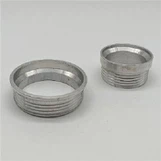
In the realm of bicycle manufacturing, dropouts play a crucial role in the overall performance and functionality of a bike. As a dedicated dropouts supplier, I've witnessed firsthand the challenges policymakers face in addressing the issue of dropouts, not just in terms of the components themselves but also in the broader context of the cycling industry. In this blog, I'll explore how policymakers can effectively tackle the issue of dropouts and ensure the continued growth and innovation of the cycling sector.
Understanding the Importance of Dropouts
Before delving into the policy solutions, it's essential to understand the significance of dropouts in bicycle design. Dropouts are the slots at the end of a bike's frame where the axles of the wheels are inserted. They come in various materials, including titanium, aluminum, and steel, each with its own set of properties and advantages.
Titanium Dropouts are known for their high strength-to-weight ratio, corrosion resistance, and durability. They are often used in high-end bicycles where weight savings and performance are paramount. Titanium Slider Dropout, on the other hand, offer additional adjustability, allowing for fine-tuning of the chain tension and wheelbase.
Aluminum Dropouts are lightweight, cost-effective, and widely used in a variety of bicycles. They provide good strength and stiffness while keeping the overall weight of the bike down. Steel dropouts, although heavier, are known for their robustness and are commonly found in touring and commuter bikes.
Challenges Faced by the Dropouts Industry
The dropouts industry faces several challenges that policymakers need to address. One of the primary challenges is the lack of standardization. With different manufacturers using different dropout designs and dimensions, it can be difficult for bike builders and consumers to find compatible components. This lack of standardization also leads to inefficiencies in the supply chain and increases the cost of production.
Another challenge is the environmental impact of dropout manufacturing. Many traditional manufacturing processes use large amounts of energy and produce significant amounts of waste. As the demand for sustainable products grows, policymakers need to encourage the adoption of more environmentally friendly manufacturing methods.
In addition, the dropouts industry is highly competitive, with many small and medium-sized enterprises (SMEs) struggling to compete with larger manufacturers. These SMEs often lack the resources and expertise to invest in research and development, which can limit their ability to innovate and stay ahead of the competition.
Policy Solutions for Addressing the Issue of Dropouts
To address these challenges, policymakers can implement a range of policies and initiatives. Here are some suggestions:
Standardization and Regulation
One of the most effective ways to address the lack of standardization is to develop and enforce industry standards for dropout design and dimensions. Policymakers can work with industry associations and manufacturers to establish these standards, which would ensure compatibility between different components and reduce the cost of production.
In addition, policymakers can regulate the quality and safety of dropouts to protect consumers. This could include setting minimum strength and durability requirements, as well as conducting regular inspections and testing of products.
Support for Research and Development
To encourage innovation in the dropouts industry, policymakers can provide support for research and development (R&D). This could include funding for R&D projects, tax incentives for companies that invest in innovation, and grants for SMEs to collaborate with universities and research institutions.
By investing in R&D, policymakers can help the dropouts industry develop new materials, manufacturing processes, and designs that are more sustainable, efficient, and innovative.
Environmental Sustainability
To address the environmental impact of dropout manufacturing, policymakers can implement policies and initiatives to promote sustainable practices. This could include setting targets for reducing energy consumption and waste production, providing incentives for companies to adopt renewable energy sources, and encouraging the use of recycled materials.
In addition, policymakers can support the development of sustainable supply chains by promoting the use of environmentally friendly transportation methods and reducing the carbon footprint of the entire manufacturing process.
Support for SMEs
To help SMEs in the dropouts industry compete with larger manufacturers, policymakers can provide support in the form of financial assistance, training, and business development services. This could include loans, grants, and subsidies for SMEs to invest in new equipment, technology, and marketing.
In addition, policymakers can help SMEs access new markets by promoting international trade and providing support for export initiatives.
The Role of the Dropouts Supplier
As a dropouts supplier, I have a responsibility to work with policymakers and industry stakeholders to address the issue of dropouts. I can provide valuable insights and expertise on the latest trends and technologies in the dropouts industry, as well as feedback on the effectiveness of existing policies and initiatives.


In addition, I can play a role in promoting sustainable practices and innovation in the dropouts industry. By investing in R&D and adopting environmentally friendly manufacturing methods, I can help reduce the environmental impact of dropout production and develop new products that meet the changing needs of consumers.
Conclusion
Addressing the issue of dropouts requires a collaborative effort from policymakers, industry stakeholders, and consumers. By implementing the policy solutions outlined in this blog, policymakers can help the dropouts industry overcome the challenges it faces and ensure the continued growth and innovation of the cycling sector.
As a dropouts supplier, I'm committed to working with policymakers and industry stakeholders to create a more sustainable, efficient, and innovative dropouts industry. If you're interested in learning more about our products or discussing potential partnerships, please don't hesitate to reach out. We look forward to the opportunity to work with you and contribute to the future of the cycling industry.
References
- Industry reports on the bicycle manufacturing sector
- Research papers on sustainable manufacturing practices
- Interviews with industry experts and policymakers