Do Head Tube Cups need to be tightened regularly?
As a supplier of Head Tube Cups, I've received numerous inquiries from cyclists, bike mechanics, and enthusiasts about the necessity of regularly tightening these crucial components. This blog post aims to provide a comprehensive analysis of this topic, drawing on scientific knowledge and practical experience.
Understanding Head Tube Cups
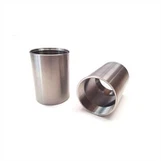
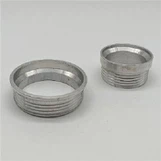
Before delving into the question of regular tightening, it's essential to understand what Head Tube Cups are and their role in a bicycle. Head Tube Cups are small, precision - engineered components that are installed at the top and bottom of the bicycle's head tube. They serve as the housing for the headset bearings, which allow the fork to rotate smoothly relative to the frame. This rotation is fundamental for steering control and overall bike handling.
The proper installation and maintenance of Head Tube Cups are vital for the safety and performance of the bicycle. If the cups are not installed correctly or become loose over time, it can lead to a variety of issues, including increased wear on the headset bearings, poor steering response, and even potential safety hazards.
Factors Affecting the Tightness of Head Tube Cups
Several factors can influence whether Head Tube Cups need to be tightened regularly.


Vibration and Shock
Bicycles are constantly subjected to vibrations and shocks while in use. Whether it's the impact of riding over rough terrain, potholes, or even the normal vibrations from pedaling, these forces can gradually loosen the Head Tube Cups. The constant jolting can cause the cups to shift slightly within the head tube, reducing their tightness.
Temperature Changes
Temperature variations can also play a role. Different materials expand and contract at different rates with changes in temperature. For example, if a bike is stored in a cold environment and then taken out for a ride on a warm day, the materials in the head tube and the Head Tube Cups may expand at different rates. This differential expansion can lead to a decrease in the tightness of the cups over time.
Installation Quality
The initial installation of the Head Tube Cups is perhaps the most critical factor. If the cups are not installed with the correct amount of torque or if the head tube is not properly prepared, they are more likely to become loose. A professional bike mechanic will use specialized tools to ensure that the cups are installed to the manufacturer's specifications, which can significantly reduce the likelihood of loosening.
Signs That Head Tube Cups Need Tightening
It's important for cyclists to be aware of the signs that their Head Tube Cups may need tightening.
Unusual Noises
One of the most common signs is the presence of unusual noises when riding. If you hear a clicking, creaking, or rattling sound coming from the front of the bike, especially when turning or going over bumps, it could indicate that the Head Tube Cups are loose.
Poor Steering Response
A loose Head Tube Cup can also affect the steering of the bike. You may notice that the steering feels less precise or that there is more play in the fork. This can make the bike more difficult to control, especially at high speeds or when making sharp turns.
Visible Movement
In some cases, you may be able to visually detect movement in the Head Tube Cups. If you can see the cups shifting or if there is a gap between the cup and the head tube, it's a clear indication that they need to be tightened.
The Importance of Regular Checks
Given the potential issues that can arise from loose Head Tube Cups, it's advisable to perform regular checks. How often these checks should be done depends on several factors, such as the type of riding you do, the quality of the components, and the environment in which the bike is used.
For casual riders who mainly use their bikes on smooth roads, a check every few months may be sufficient. However, for mountain bikers or cyclists who frequently ride on rough terrain, more frequent checks, perhaps every few weeks, are recommended.
Our Product Offerings
At our company, we offer a wide range of high - quality Head Tube Cups designed to meet the needs of different types of cyclists. In addition to our Head Tube Cups, we also provide other essential bicycle frame building parts, such as Titainium Gr9 Seamless Tubing, Titanium Headset Spacer, and Bottom Bracket Shell.
Our Head Tube Cups are made from high - quality materials and are precision - engineered to ensure a perfect fit and long - lasting performance. We understand the importance of proper installation and offer detailed installation instructions with each product.
Contact Us for Procurement
If you're in the market for high - quality Head Tube Cups or other bicycle frame building parts, we invite you to contact us for procurement. Our team of experts is ready to assist you in finding the right products for your needs. Whether you're a professional bike mechanic, a bicycle manufacturer, or an individual cyclist looking to upgrade your bike, we can provide you with the best solutions.
Conclusion
In conclusion, while not all Head Tube Cups necessarily need to be tightened regularly, it's important to be aware of the factors that can affect their tightness and to perform regular checks. By understanding the signs of loose Head Tube Cups and taking appropriate action, cyclists can ensure the safety and performance of their bikes.
As a trusted supplier of Head Tube Cups and other bicycle components, we are committed to providing our customers with the highest quality products and the best possible service. If you have any questions or need further information, please don't hesitate to reach out to us.
References
- "Bicycle Mechanics Manual" - A comprehensive guide on bicycle maintenance and repair, which provides in - depth information on the installation and maintenance of Head Tube Cups.
- Industry research papers on the effects of vibration and temperature on bicycle components, which help to explain the factors that can lead to the loosening of Head Tube Cups.