Can tubings be used in chemical processing industries? Well, you bet they can! As a supplier of Tubings & Tubing Parts, I've seen firsthand how these seemingly simple components play a crucial role in the chemical processing world.
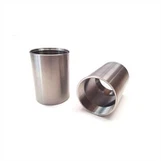
Let's start by understanding what tubings are. Tubings are basically hollow cylindrical structures, and they come in all sorts of materials, sizes, and shapes. You've got your stainless - steel tubings, which are super tough and resistant to corrosion. Then there are plastic tubings, which are lightweight and often used in less harsh chemical environments. And don't forget about titanium tubings, which are not only strong but also have excellent resistance to a wide range of chemicals.
In chemical processing industries, the requirements are pretty high. The substances being processed can be extremely corrosive, high - temperature, or under high pressure. That's where the right tubings come in handy. For instance, in a chemical plant that deals with acidic substances, stainless - steel tubings are a top choice. They can withstand the corrosive nature of the acids and ensure that the chemical transfer process is smooth and safe.
Let's talk about the different applications of tubings in chemical processing. First off, they're used for transporting chemicals from one part of the plant to another. Whether it's moving raw materials to the reaction vessels or transferring the finished products to storage tanks, tubings are the arteries of the chemical processing system. They need to be able to handle the flow rate and pressure of the chemicals without any leakage.
Another important application is in heat exchangers. In chemical processes, temperature control is crucial. Tubings are used to carry the hot or cold fluids that are involved in the heat - exchange process. For example, in a distillation unit, tubings can be used to carry the cooling water that condenses the vaporized chemicals. The material of the tubing is carefully selected to ensure efficient heat transfer and to resist any chemical reactions with the fluids.
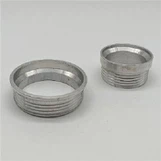
Now, let's take a look at some of the specific tubing parts that are relevant in the chemical processing industry. The Bottom Bracket Shell might seem like a part more commonly associated with bicycles, but in some specialized chemical processing equipment, similar - structured components can be used for mounting and aligning different parts of the tubing system. It provides a stable base for the tubing connections and helps maintain the integrity of the overall setup.
The Titanium Headset Spacer is another interesting part. Titanium is a great material in the chemical industry because of its high strength - to - weight ratio and excellent corrosion resistance. These spacers can be used to adjust the position of the tubings in a complex system, ensuring proper alignment and preventing any unnecessary stress on the tubing joints.
And then there are the Titanium Head Tubes. In chemical processing, they can be used as the entry or exit points for the chemicals in a particular unit. Their titanium construction makes them suitable for handling aggressive chemicals and high - pressure situations.
But it's not all smooth sailing when it comes to using tubings in chemical processing. There are some challenges. One of the main issues is material compatibility. You need to make sure that the tubing material doesn't react with the chemicals it's transporting. Otherwise, it can lead to degradation of the tubing, which can cause leaks and even safety hazards.


Another challenge is the installation and maintenance. Tubings need to be installed correctly to ensure proper flow and to prevent any blockages. Regular maintenance is also essential to check for signs of wear and tear, corrosion, or any other damage.
So, how do you choose the right tubings for your chemical processing needs? Well, it all starts with understanding your process. You need to know the type of chemicals you're dealing with, the temperature and pressure conditions, and the flow rate requirements. Based on this information, you can select the appropriate tubing material and size.
If you're in the market for high - quality Tubings & Tubing Parts for your chemical processing industry, we're here to help. We've got a wide range of products that are designed to meet the demanding requirements of the chemical sector. Whether you need stainless - steel tubings for their corrosion resistance or titanium parts for their strength and durability, we've got you covered.
Don't hesitate to reach out to us for more information or to start a procurement discussion. We're always ready to work with you to find the best solutions for your chemical processing needs.
References
- Chemical Engineering Handbook, various editions
- Materials Science in Chemical Processing, academic research papers