

Hey there! As a supplier of Titanium Brake Stud, I often get asked some interesting questions. One of the most unique ones is, "Can titanium brake studs be used in boats?" Well, let's dive into this topic and find out!
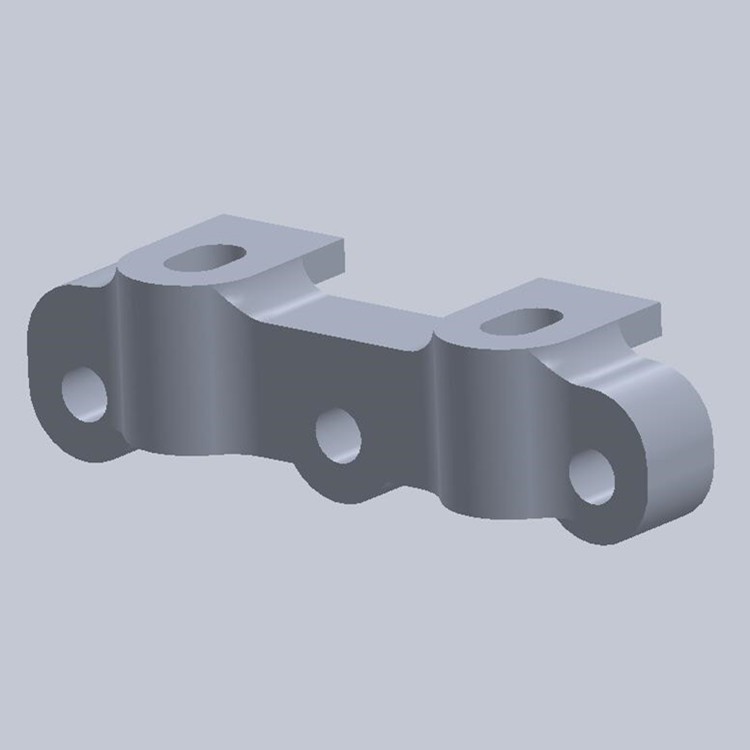
First off, let's talk a bit about what titanium brake studs are. These are nifty little components mainly designed for high - performance braking systems. Usually, they're spotted in the world of cycling, often used in conjunction with parts like the Dropout Flat Mount and Titanium Brake Bridge. They're crafted from titanium, a material renowned for its remarkable strength - to - weight ratio, corrosion resistance, and durability.
Now, onto boats. Boats operate in a harsh environment. They're constantly exposed to water, which can be either fresh or saltwater, and this brings a whole host of challenges. Saltwater, in particular, is incredibly corrosive due to the high concentration of salts and minerals. It can eat away at metal components over time, leading to rust, degradation, and ultimately, failure.
So, can titanium brake studs hold up in this wet and wild world? The short answer is yes, but there are some things to consider.
Advantages of Using Titanium Brake Studs in Boats

-
Corrosion Resistance
Titanium is a superstar when it comes to corrosion resistance. It forms a thin, protective oxide layer on its surface when exposed to oxygen. This layer acts as a shield, preventing further corrosion. In the marine environment, where corrosion is a major concern, titanium brake studs can last significantly longer than traditional steel or iron studs. They won't rust or corrode easily, even when constantly in contact with saltwater. This means less maintenance and fewer replacements over the lifespan of the boat. -
Strength and Lightweight
Boats need to be as lightweight as possible to improve performance, especially in terms of speed and fuel efficiency. Titanium brake studs offer a high strength - to - weight ratio. They're strong enough to handle the stresses associated with braking in a marine environment but much lighter than their steel counterparts. This reduction in weight can have a positive impact on the overall performance of the boat, allowing it to move more quickly through the water with less effort. -
Longevity
Given their resistance to corrosion and strength, titanium brake studs tend to have a much longer lifespan compared to other materials. This is great for boat owners, as it reduces the need for frequent part replacements. You won't have to worry about having your boat out of commission for long periods because of failing brake studs.
Challenges and Considerations
-
Cost
Titanium is more expensive than traditional materials like steel. The cost of manufacturing titanium brake studs is higher due to the complexity of working with the metal and the raw material costs. This can be a significant factor for boat owners on a tight budget. However, it's important to weigh the upfront cost against the long - term savings in maintenance and replacement. -
Compatibility
Not all boats are designed to use titanium brake studs. The existing braking systems may have been engineered for a specific type of stud material, such as steel. Installing titanium brake studs may require modifications to the braking system. This could involve changes to the mounting points, brackets, or other associated components. It's crucial to consult with a professional marine mechanic or engineer to ensure that the studs are compatible with your boat's braking system. -
Galvanic Corrosion
Even though titanium is highly corrosion - resistant, when it comes into contact with other metals in the presence of an electrolyte (like saltwater), galvanic corrosion can occur. This happens when two different metals are connected electrically, and one metal corrodes preferentially. To prevent this, appropriate insulation or coatings can be used between the titanium brake studs and other metal components in the braking system.
Real - World Applications and Examples
In some high - end and racing boats, titanium components are already in use. These boats demand the best performance and durability, and titanium fits the bill. For example, a high - speed powerboat used in racing needs reliable braking to ensure safety during high - velocity maneuvers. Titanium brake studs can provide the necessary strength and corrosion resistance to withstand the extreme conditions of such races.
Similarly, luxury yachts often use high - quality materials throughout their construction. Using titanium brake studs in the braking systems of these vessels can enhance their overall aesthetics and performance, while also reducing long - term maintenance costs.
If you're a boat owner or involved in the marine industry and are considering using titanium brake studs, I'd love to talk to you. Whether you have questions about compatibility, installation, or cost, my team and I are here to help. We've been in the business of supplying Titanium Brake Stud for a while, and we've got the knowledge and experience to assist you. Reach out and let's discuss how our products can work for your boat's braking needs.
References
- Marine Corrosion Handbook
- Engineering Materials for Marine Applications
So, to sum it up, titanium brake studs can definitely be used in boats, but it's important to consider the advantages, challenges, and real - world implications before making a decision. With the right approach, these studs can be a great addition to your boat's braking system, providing long - lasting performance and reliability.


