Can Stem Parts Regenerate if Damaged?
As a supplier of stem parts, I've encountered numerous inquiries about the durability and reparability of these crucial components. Stem parts play a pivotal role in various mechanical and structural applications, particularly in the realm of cycling. In this blog post, we'll delve into the question of whether stem parts can regenerate if damaged and explore the implications for users and suppliers alike.


Understanding Stem Parts
Before we can address the issue of regeneration, it's essential to understand what stem parts are and their function. In the context of cycling, a stem is the component that connects the handlebars to the fork steerer tube. It allows the rider to control the direction of the bike and plays a significant role in the overall handling and comfort of the ride. Stem parts can be made from a variety of materials, including aluminum, steel, and titanium. Each material has its own unique properties, such as strength, weight, and corrosion resistance.
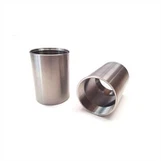
For instance, Titanium Stem Parts are highly sought after for their exceptional strength-to-weight ratio and corrosion resistance. They offer a combination of durability and lightness, making them ideal for high-performance bicycles. On the other hand, aluminum stem parts are more affordable and widely used in entry-level and mid-range bikes.
The Concept of Regeneration
Regeneration, in biological terms, refers to the process by which an organism replaces or restores damaged or lost tissues or organs. This ability is well-documented in some animals, such as starfish and salamanders, which can regrow limbs and other body parts. However, when it comes to inanimate objects like stem parts, the concept of regeneration takes on a different meaning.
In the context of mechanical components, regeneration typically refers to the ability to repair or restore a damaged part to its original functionality. This can involve processes such as welding, machining, or replacement of worn or damaged components. While stem parts cannot regenerate in the biological sense, they can often be repaired or replaced to extend their lifespan and ensure continued performance.
Factors Affecting the Reparability of Stem Parts
The reparability of stem parts depends on several factors, including the type and extent of the damage, the material of the stem, and the availability of replacement parts.
- Type and Extent of Damage: Minor damage, such as scratches or dents, can often be repaired through simple processes like sanding and polishing. However, more severe damage, such as cracks or fractures, may require more extensive repairs or even replacement of the entire stem.
- Material of the Stem: Different materials have different repair characteristics. For example, aluminum stem parts can be welded relatively easily, while titanium stem parts require specialized welding techniques due to their high melting point and reactivity. Steel stem parts can also be welded, but they may be more prone to rust and corrosion if not properly treated after repair.
- Availability of Replacement Parts: In some cases, it may be more cost-effective and practical to replace a damaged stem part rather than repair it. This depends on the availability of replacement parts and the cost of the repair. If replacement parts are readily available and affordable, replacement may be the preferred option.
Repairing Damaged Stem Parts
When a stem part is damaged, the first step is to assess the extent of the damage and determine the best course of action. Here are some common repair methods for different types of damage:
- Scratches and Dents: Minor scratches and dents can often be repaired by sanding and polishing the affected area. This can restore the appearance of the stem and prevent further damage from occurring.
- Cracks and Fractures: Cracks and fractures in stem parts can be more challenging to repair. In some cases, welding may be a viable option, especially for aluminum and steel stems. However, welding requires specialized equipment and expertise, and it may not be suitable for all types of damage. In some cases, it may be necessary to replace the entire stem.
- Worn or Damaged Components: If a specific component of the stem, such as a bolt or a bearing, is worn or damaged, it can usually be replaced. This is a relatively simple and cost-effective repair method that can restore the functionality of the stem.
The Role of Suppliers in Stem Part Repair and Replacement
As a stem parts supplier, we play a crucial role in ensuring that our customers have access to high-quality replacement parts and repair services. We offer a wide range of stem parts, including Bike Stem Riser Bike Fork Stem Extender Bicycle Handlebar Raiser Head Up Adapter Suitable For Mountain Bike, Road Bike, MTB, BMX, Fixie (Aluminium Alloy, Adjustable), to meet the diverse needs of our customers.
In addition to providing replacement parts, we also offer technical support and advice to help our customers with stem part repair and maintenance. Our team of experts can assist with diagnosing problems, recommending the best repair methods, and providing guidance on proper installation and maintenance of stem parts.
Conclusion
While stem parts cannot regenerate in the biological sense, they can often be repaired or replaced to extend their lifespan and ensure continued performance. The reparability of stem parts depends on several factors, including the type and extent of the damage, the material of the stem, and the availability of replacement parts. As a stem parts supplier, we are committed to providing our customers with high-quality replacement parts and repair services to help them keep their bikes in top condition.
If you have any questions or need assistance with stem part repair or replacement, please don't hesitate to contact us. We look forward to working with you to meet your stem part needs.
References
- "Bicycle Mechanics Manual" by Park Tool Company
- "The Bicycle Design Book" by Tom Cuthbertson
- "Materials Science and Engineering: An Introduction" by William D. Callister, Jr. and David G. Rethwisch