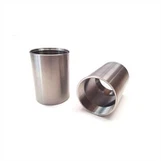
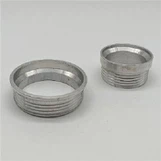
When it comes to the world of high - performance cycling components, the choice between titanium and carbon fiber brake studs is a topic that often sparks intense debate among cyclists, engineers, and enthusiasts alike. As a supplier of Titanium Brake Studs, I've had the privilege of closely examining the properties of these materials and how they translate into real - world performance. In this blog, we'll delve into the question: Are titanium brake studs heavier than carbon fiber ones?
Understanding the Basics of Titanium and Carbon Fiber
Titanium is a remarkable metal known for its high strength - to - weight ratio, excellent corrosion resistance, and biocompatibility. In the context of brake studs, titanium offers superior durability and can withstand high levels of stress without deforming. Its density is around 4.5 g/cm³, which places it in a unique position in terms of weight and strength compared to other metals.
On the other hand, carbon fiber is a composite material made from thin, strong crystalline filaments of carbon. It is renowned for its extremely high strength - to - weight ratio. Carbon fiber can be molded into complex shapes, and its density typically ranges from 1.5 to 2.0 g/cm³, making it significantly lighter than most metals, including titanium.
Weighing the Options: Titanium vs. Carbon Fiber Brake Studs
To answer the question of weight, we need to look at the specific design and application of the brake studs. In general, a titanium brake stud will be heavier than a carbon fiber one of the same size. The difference in density between the two materials is the primary factor contributing to this weight disparity.
However, it's important to note that weight is not the only consideration when choosing brake studs. Titanium brake studs offer several advantages that may outweigh the extra weight in certain situations. For example, titanium has a higher fatigue resistance compared to carbon fiber. Brake studs are subject to repeated stress cycles as the brakes are applied and released. Over time, carbon fiber can develop micro - cracks due to fatigue, which may compromise its structural integrity. Titanium, on the other hand, can endure these stress cycles without significant degradation.
Another advantage of titanium is its ability to handle high temperatures. When brakes are applied, a large amount of heat is generated. Titanium can dissipate this heat more effectively than carbon fiber, reducing the risk of heat - related damage to the brake system. This is particularly important in high - performance cycling, where brakes may be subjected to extreme conditions.
Applications in the Cycling Industry
In the cycling world, every gram counts. Professional cyclists and competitive riders are constantly looking for ways to reduce the weight of their bikes without sacrificing performance. For them, carbon fiber brake studs may seem like an obvious choice due to their lightweight nature. However, the reliability and durability of titanium brake studs make them a preferred option for many cyclists, especially those who ride in challenging conditions.
For mountain bikers, who often encounter rough terrain and need reliable brakes, titanium brake studs provide the necessary strength and stability. The extra weight is a small price to pay for the peace of mind that comes with knowing the brakes will perform consistently. Road cyclists, on the other hand, may be more inclined to use carbon fiber brake studs to gain a competitive edge in terms of speed.
Our Titanium Brake Studs
As a supplier of Titanium Brake Studs, we take pride in offering high - quality products that meet the demanding standards of the cycling industry. Our titanium brake studs are precision - engineered to provide optimal performance and reliability. We use only the highest grade titanium, ensuring that our studs have the strength and durability required for even the most extreme cycling conditions.
Our product range includes various types of brake studs suitable for different applications. Whether you need Dropout Flat Mount studs, Titanium Brake Bridge components, or Titanium Disc Brake Mount studs, we have the right solution for you.
Making the Right Choice
When deciding between titanium and carbon fiber brake studs, it's essential to consider your specific needs and riding style. If you're a competitive rider looking for every possible advantage in terms of weight, carbon fiber may be the way to go. However, if you value reliability, durability, and performance under extreme conditions, titanium brake studs are the better choice.
We understand that making the right decision can be challenging. That's why our team of experts is always available to provide you with personalized advice and guidance. We can help you assess your requirements and recommend the most suitable brake studs for your bike.
Contact Us for Procurement
If you're interested in purchasing our Titanium Brake Studs or have any questions about our products, we encourage you to reach out to us. We're committed to providing excellent customer service and ensuring that you find the perfect solution for your cycling needs. Whether you're a professional cyclist, a bike shop owner, or an individual enthusiast, we're here to assist you.


References
- Callister, W. D., & Rethwisch, D. G. (2018). Materials Science and Engineering: An Introduction. Wiley.
- Schimdt, K. (2019). Cycling Performance and Equipment. Routledge.