Are there any environmental benefits to using a titanium brake bridge?
In the realm of bicycle components, the choice of materials plays a crucial role not only in performance but also in environmental impact. As a supplier of Titanium Brake Bridges, I often encounter questions about the environmental benefits of using titanium in these critical parts. In this blog, we'll delve into the various aspects of titanium brake bridges and explore their potential positive effects on the environment.
The Basics of Titanium Brake Bridges
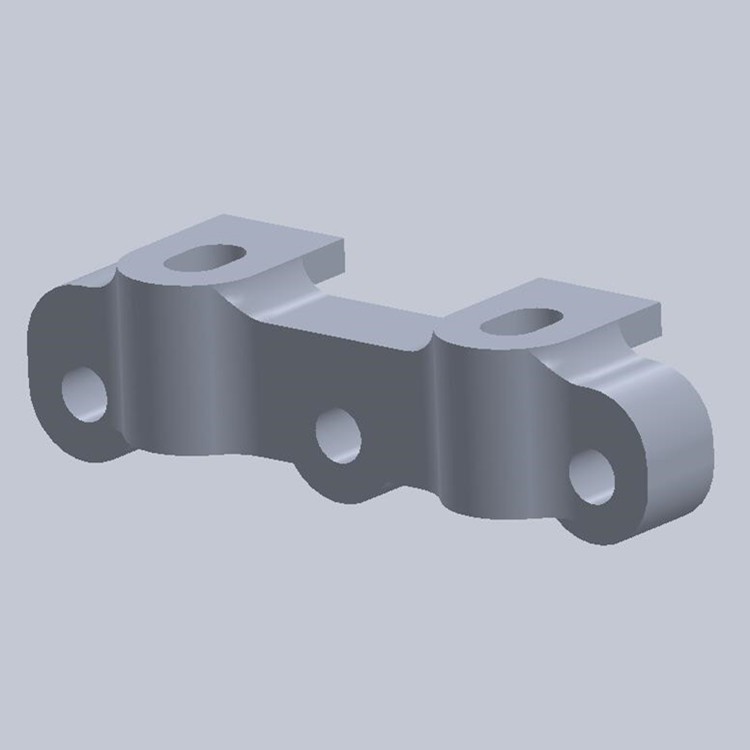
Before we discuss the environmental benefits, let's briefly understand what a titanium brake bridge is. A brake bridge is an essential part of a bicycle's braking system. It serves as a connection point between the brake caliper and the frame, ensuring that the braking force is effectively transferred. Titanium, a lightweight and strong metal, has become an increasingly popular choice for brake bridges due to its excellent mechanical properties.
Titanium offers high strength - to - weight ratio, which means that a titanium brake bridge can be as strong as a steel one but significantly lighter. This weight reduction can enhance the overall performance of the bicycle, making it easier to accelerate and maneuver. Additionally, titanium is highly corrosion - resistant, which extends the lifespan of the brake bridge and reduces the need for frequent replacements.
Environmental Benefits of Titanium Brake Bridges
Durability and Reduced Waste
One of the most significant environmental benefits of using titanium brake bridges is their durability. Titanium is a very stable metal that can withstand harsh environmental conditions, such as moisture, salt, and extreme temperatures, without corroding or degrading quickly. Unlike some other metals, titanium does not rust, which means that a titanium brake bridge can last for many years, even with regular use.
When a component lasts longer, it reduces the frequency of replacements. Fewer replacements mean less waste going into landfills. In the cycling industry, where millions of bicycles are produced and maintained each year, the cumulative effect of using durable components like titanium brake bridges can be substantial. For example, if a traditional steel brake bridge needs to be replaced every few years due to corrosion, while a titanium one can last a decade or more, the amount of metal waste generated over time is significantly reduced.
Energy Efficiency in Production
The production of titanium does require a significant amount of energy, but it's important to consider the long - term energy savings. Titanium's high strength - to - weight ratio means that bicycles equipped with titanium brake bridges are lighter. A lighter bicycle requires less energy to move, whether it's being pedaled by a rider or transported in a vehicle.
Over the lifetime of a bicycle, the energy savings from a lighter weight can be quite significant. For a cyclist, less energy expenditure means they can travel further with the same amount of effort. In the case of mass - produced bicycles, the cumulative energy savings on a global scale can contribute to a reduction in overall energy consumption and a lower carbon footprint.
Recyclability
Titanium is a highly recyclable material. At the end of its useful life, a titanium brake bridge can be recycled and used to produce new components. Recycling titanium requires less energy compared to extracting and refining new titanium from ore. According to industry reports, recycling titanium can save up to 95% of the energy needed for primary production.
The ability to recycle titanium brake bridges closes the material loop, reducing the demand for virgin materials. This not only conserves natural resources but also reduces the environmental impact associated with mining and ore processing. Recycling also helps to minimize the waste generated from the cycling industry, making it a more sustainable option.
Comparison with Other Materials
Steel Brake Bridges
Steel is a commonly used material for brake bridges. While steel is strong and relatively inexpensive, it has some significant drawbacks from an environmental perspective. Steel is prone to corrosion, especially in wet or salty conditions. This corrosion can weaken the brake bridge over time, leading to more frequent replacements.
In addition, the production of steel is energy - intensive and generates a large amount of greenhouse gas emissions. Steel also has a higher density than titanium, which means that steel brake bridges add more weight to the bicycle, increasing energy consumption during use.
Aluminum Brake Bridges
Aluminum is another popular choice for bicycle components. It is lightweight and has good corrosion resistance. However, the production of aluminum requires a large amount of electricity, often from non - renewable sources. Moreover, aluminum is not as strong as titanium, which may result in a shorter lifespan for aluminum brake bridges, leading to more frequent replacements and increased waste.
Our Product Range
As a supplier of Titanium Brake Bridges, we offer a wide range of products to meet the diverse needs of our customers. Our Dropout Flat Mount is designed to provide a secure and stable connection between the brake caliper and the frame. It is precision - engineered to ensure optimal performance and compatibility with various bicycle models.
We also have Titanium Brake Stud products that are known for their high strength and corrosion resistance. These studs are essential for attaching the brake bridge to the frame and play a crucial role in the overall braking system.
In addition, our Titanium Disc Brake Mount is a top - of - the - line product that offers excellent braking performance. It is designed to handle high - stress situations and is suitable for both road and mountain bikes.
Conclusion
In conclusion, there are indeed significant environmental benefits to using a titanium brake bridge. Its durability reduces waste, its energy - saving properties during use contribute to lower energy consumption, and its recyclability helps to conserve natural resources. When compared to other materials like steel and aluminum, titanium emerges as a more sustainable option in the long run.
If you are in the market for high - quality, environmentally friendly bicycle components, we invite you to explore our range of Titanium Brake Bridges. We are committed to providing products that not only offer superior performance but also have a positive impact on the environment. Contact us to discuss your specific requirements and start a procurement negotiation. We look forward to working with you to build a more sustainable cycling future.
References
- "The Properties and Applications of Titanium" - Journal of Materials Science
- "Environmental Impact of Bicycle Component Production" - International Journal of Sustainable Manufacturing
- "Recycling of Titanium Alloys: A Review" - Recycling and Waste Management Journal