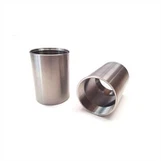
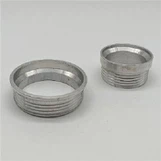
Hey there, cycling enthusiasts! I'm a supplier of Aluminum Dropouts, and today I want to dive into a question that probably crosses the minds of many riders and bike-builders alike: Are aluminum dropouts affected by saltwater exposure?
Let's first understand what aluminum dropouts are. Simply put, they're crucial parts in the construction of bike frames. They're the slots at the end of the frame where the axles of the wheels fit. They come in different shapes and sizes to accommodate various types of bikes and setups. Aluminum Dropouts are popular among cyclists because they're relatively lightweight, which is great for improving a bike's overall performance. They're also quite durable and can handle a reasonable amount of stress.
Now, onto the main topic – saltwater exposure. Saltwater is a tough environment for most metals, and aluminum is no exception. Aluminum has a natural oxide layer on its surface. This layer acts as a protective shield, preventing the metal underneath from further oxidation. But when aluminum comes into contact with saltwater, things can get a bit dicey.
Salt is a major problem because it's a strong electrolyte. In simple terms, it helps conduct electricity and promotes a process called galvanic corrosion. When aluminum is in saltwater, the salt accelerates the breakdown of that protective oxide layer, leaving the bare metal exposed. As the metal begins to corrode, it forms a powdery white substance, which is basically aluminum oxide in a less - protective form.
The type of aluminum alloy used in the dropouts can also affect how they respond to saltwater. Some alloys are more resistant to corrosion because they contain elements that enhance the stability of the oxide layer. But even these high - end alloys will eventually degrade if they're constantly in contact with saltwater.
The damage caused by saltwater exposure isn't always immediate. You might not notice anything wrong with your aluminum dropouts at first, especially if they've only had a brief encounter with saltwater. But over time, the corrosion can weaken the structure of the dropouts. This means they might not be able to hold the axle as securely as they should, which could lead to loose wheels and potentially dangerous riding conditions.
Let's compare aluminum dropouts with other types. Titanium Dropouts are known for their excellent corrosion resistance. Titanium forms a very stable oxide layer that's highly resistant to breakdown, even in saltwater environments. So, if you're often riding near the ocean or in areas where there's a lot of road salt during the winter, titanium dropouts might be a better option.
Another alternative is Titanium Slider Dropout. These have the added benefit of adjustability, which can be really handy for certain types of bikes like single - speeds or track bikes. And of course, they share the same remarkable corrosion - resistant properties as regular titanium dropouts.
But just because aluminum dropouts aren't the most saltwater - friendly option doesn't mean they're a no - go. If you're careful, you can still use them in environments where there's some risk of saltwater exposure. The key is maintenance.
After your bike has been in contact with saltwater, it's crucial to give it a thorough rinse. Use fresh, clean water to wash away all the salt from the dropouts. Pay special attention to all the nooks and crannies. You can use a soft brush to get into these hard - to - reach areas.
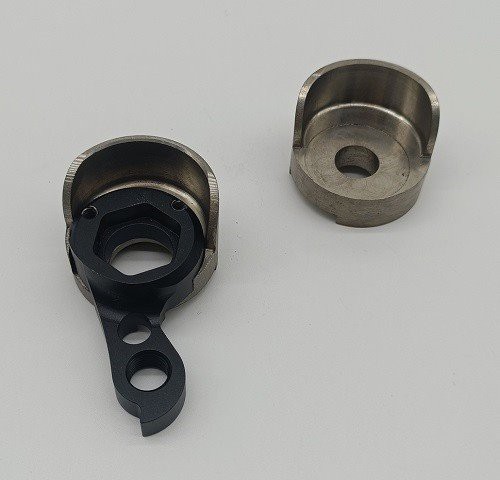

Once the dropouts are clean, dry them off completely. You can use a clean cloth to wipe them down, and if possible, let them air - dry in a well - ventilated area. This helps to prevent any remaining salt particles from causing further corrosion.
You can also apply a protective coating. There are many bike - specific lubricants and anti - corrosion sprays on the market. These products create an extra layer of protection on the surface of the aluminum dropouts, making them more resistant to the effects of saltwater.
As a supplier of Aluminum Dropouts, I know that these parts have their place in the cycling world. They're great for riders who are looking for a lightweight and affordable option for their bike frames. And with proper maintenance, they can last a long time, even in less - than - ideal conditions.
If you're a bike - builder or a rider in the market for high - quality dropouts, I'm here to help. Whether you're interested in Aluminum Dropouts for their weight advantage or want to explore other options like Titanium Dropouts or Titanium Slider Dropouts, I can provide you with the best products and advice. Don't hesitate to reach out if you have any questions or if you're interested in a purchase. Let's work together to build the perfect bike for your needs.
References
- ASM Handbook, Volume 13A: Corrosion: Fundamentals, Testing, and Protection
- Bicycle Frame Design and Construction Manual