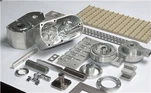
In the field of precision mechanical machining, Carbon Fiber Reinforced Polymer (CFRP) is widely used across various industries, including aerospace, automotive manufacturing, and high-end sports equipment, due to its unique performance advantages such as lightweight, high strength, and high rigidity. However, when machining this advanced material, it is crucial to pay special attention to certain key issues to ensure the smooth progress of the machining process and the quality of the final product.
Understanding Material Characteristics: Carbon fiber composite materials consist of carbon fibers combined with a resin matrix, exhibiting significant anisotropy, meaning the material's performance can vary in different directions. Therefore, it is essential to fully understand the material's characteristics before designing appropriate machining processes.
Optimization of Cutting Parameters: During the mechanical machining process, the rational selection of cutting speed, feed rate, and depth of cut is crucial to prevent material damage. It is generally recommended to use lower cutting speeds and higher feed rates to reduce the generation of heat and thermal damage to the material.
Tool Selection: For machining carbon fiber composite materials, specialized cutting tools should be used, such as diamond-coated tools or other tools designed for composite material machining. These tools can effectively reduce cutting forces and heat during the machining process, thereby reducing the risk of material damage.
Cooling and Lubrication: In the machining process, proper cooling and lubrication are vital for controlling heat accumulation and preventing material degradation. Special coolants can be used, or dry machining methods can be adopted in certain cases.
Surface Quality Control: The surface quality of carbon fiber composite materials directly affects their performance. Measures should be taken during the machining process to ensure surface quality, reduce surface roughness, and avoid scratches, burns, or other surface defects.
Post-processing: After machining is complete, some post-processing work may be required, such as deburring, surface coating, or bonding. These steps need to be carried out carefully to maintain the integrity and performance of the material.
Health and Safety: When machining carbon fiber composite materials, fine fiber particles may be generated. Therefore, machinists should take appropriate health and safety measures, such as wearing suitable respiratory protective equipment and ensuring good ventilation in the workplace.
Environmental Factors: When machining carbon fiber composite materials, environmental factors such as temperature and humidity can also affect the material's performance and machining process. Therefore, efforts should be made to control environmental conditions during the machining process to minimize adverse effects.
By considering these factors comprehensively and taking corresponding preventive and control measures, carbon fiber composite materials can be effectively precision-machined, ensuring product quality and production efficiency.
复制再试一次分享