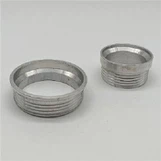
Hey there, fellow cycling enthusiasts! As a supplier of Titanium Head Tubes, I've gotten a ton of questions over the years about whether these bad boys fit all bike frames. It's a super common query, and I'm stoked to break it down for you.
First off, let's talk a bit about what a titanium head tube is. It's a crucial part of the bike frame, located at the front. This tube holds the headset, which allows the fork to rotate smoothly, giving you control over steering. Titanium is an awesome material for head tubes because it's lightweight, strong, and corrosion-resistant. These features make it a top choice for many cyclists and bike builders.
Now, to the big question: do titanium head tubes fit all bike frames? The short answer is no. Bike frames come in all shapes, sizes, and designs, and not every frame is going to be compatible with a titanium head tube. There are a few key factors that determine whether a titanium head tube will fit a particular frame.
Frame Geometry
The geometry of a bike frame plays a huge role in head tube compatibility. Different bikes have different angles and dimensions for their head tubes. For example, a mountain bike might have a steeper head tube angle to provide more precise handling on rough terrain, while a road bike could have a shallower angle for better aerodynamics. If the geometry of your frame doesn't match the specifications of the titanium head tube, it's not going to fit properly.
Head Tube Diameter
Another crucial factor is the diameter of the head tube. There are several standard diameters used in the cycling industry, such as 1 1/8 inches, 1.5 inches, and tapered designs that combine different diameters. If the diameter of the titanium head tube you're considering doesn't match the diameter of your frame's head tube opening, it won't fit. You need to measure your existing head tube accurately to ensure you get the right size.
Headset Compatibility
The headset is what connects the fork to the head tube, and it also affects compatibility. There are different types of headsets, like threadless and threaded, and they come in various sizes and designs. A titanium head tube needs to be compatible with the headset you plan to use. If the head tube isn't designed to work with your chosen headset, you'll run into problems.
Frame Material
The material of the bike frame itself can also impact whether a titanium head tube will fit. Different materials, such as steel, aluminum, and carbon fiber, have different properties and construction methods. For example, carbon fiber frames are often more complex in their design and may require specific head tube designs to ensure proper integration. You need to consider how the titanium head tube will interact with the frame material to ensure a good fit.
So, What Can You Do?
If you're thinking about using a Titanium Head Tube for your bike frame, here are some steps you can take to ensure compatibility:
- Measure Twice, Order Once: Take accurate measurements of your existing head tube, including the diameter, length, and angle. This will help you choose the right titanium head tube for your frame.
- Research Your Frame: Look into the specific geometry and design of your bike frame. Check the manufacturer's specifications or consult with a bike expert to understand what type of head tube will work best.
- Choose the Right Headset: Make sure the headset you plan to use is compatible with both the titanium head tube and your frame. This will ensure smooth operation and proper alignment.
- Consider Customization: If you can't find a standard titanium head tube that fits your frame, you might want to consider getting a custom-made one. Many suppliers, including us, offer custom options to meet your specific needs.
Other Related Parts
When you're working on your bike frame, it's not just the head tube that matters. There are other important parts that you might need to consider, like the Bottom Bracket Shell and the Titanium Headset Spacer.
The bottom bracket shell is where the bottom bracket is installed, and it's a critical part of the frame's drivetrain. Just like the head tube, it needs to be compatible with your frame and the components you're using. A good-quality bottom bracket shell can improve the performance and durability of your bike.
The titanium headset spacer is used to adjust the height of the handlebars and provide proper alignment for the headset. It's a small but important part that can make a big difference in the comfort and handling of your bike.
Why Choose Titanium?
You might be wondering why you should even consider a titanium head tube in the first place. Well, there are several benefits to using titanium for this part of your bike frame.
- Lightweight: Titanium is much lighter than steel, which can help reduce the overall weight of your bike. This can improve acceleration, climbing, and handling.
- Strong and Durable: Despite its lightweight, titanium is incredibly strong and resistant to fatigue. It can withstand the stresses of riding and last for a long time.
- Corrosion Resistance: Titanium doesn't rust or corrode like steel, which means your head tube will stay looking good and performing well even in harsh conditions.
- Aesthetic Appeal: Let's face it, titanium has a cool, high-end look that can make your bike stand out from the crowd.
Contact Us for Your Titanium Head Tube Needs
If you're interested in purchasing a Titanium Head Tube or have any questions about compatibility, we're here to help. Our team of experts has years of experience in the cycling industry and can provide you with the guidance and support you need. Whether you're a professional bike builder or a DIY enthusiast, we've got the right products for you.
Don't hesitate to reach out to us to discuss your specific requirements and get started on building the bike of your dreams. We look forward to working with you!


References
- "Bicycle Frame Design and Construction" by Lennard Zinn
- "The Bicycle Wheel" by Jobst Brandt
- Various industry publications and online resources related to cycling and bike frame building.